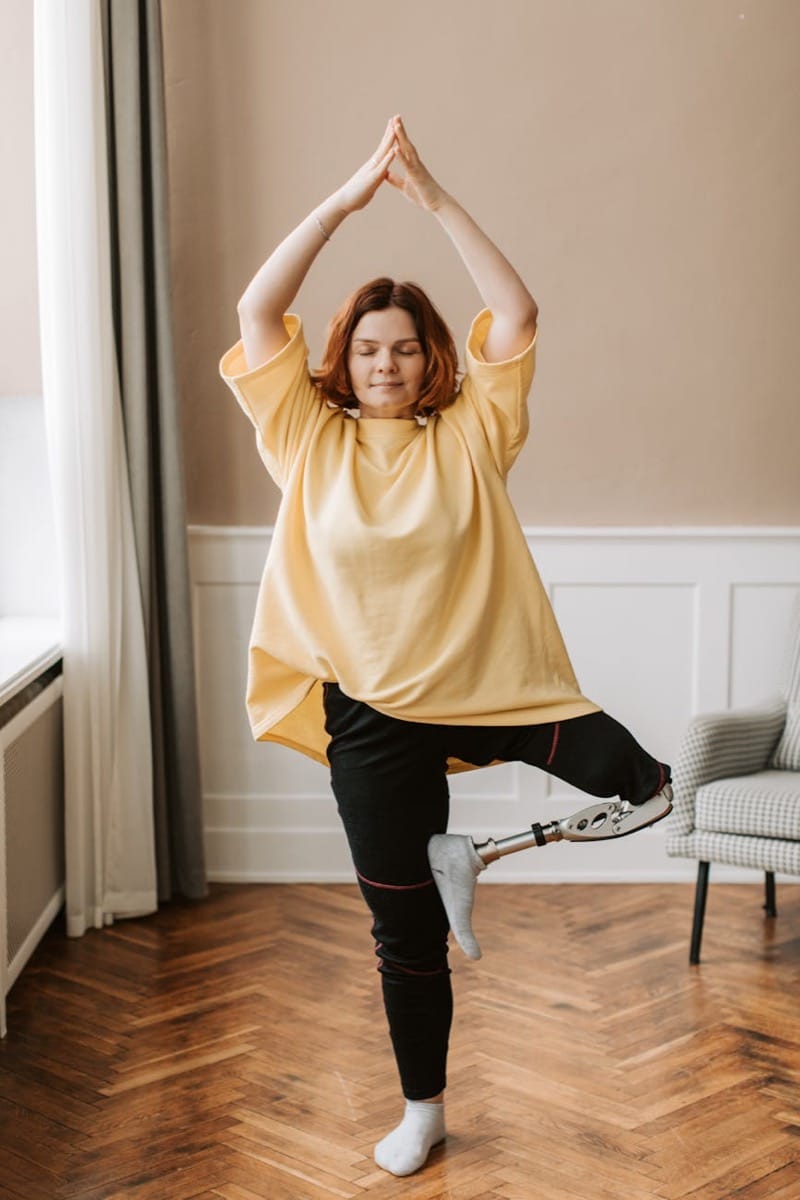
7 Ways Yoga Can Help with Smoking Cessation


Quitting smoking is hard. Yoga offers physical and mental tools—breath work, mindfulness, stress management—that address both nicotine cravings and the habits behind them.
You've decided to quit smoking. Maybe you've tried patches, gum, or prescription medications. Maybe you've gone cold turkey and relapsed. The physical addiction is real, but so is the emotional pattern—the cigarette with coffee, the smoke break at work, the ritual that fills a gap. If willpower alone hasn't worked, yoga offers something different: a way to rewire your nervous system, calm your cravings, and build new rituals that actually feel good. This article explores how yoga specifically supports smoking cessation, with practices you can start today.
Understanding Smoking Cessation and Why Yoga Helps
Smoking cessation is the process of stopping tobacco use. It sounds simple, but quitting involves three layers: breaking physical nicotine dependence, interrupting learned behavior patterns, and managing the emotional states that trigger smoking. Most quit-smoking programs address only one or two of these. Nicotine replacement therapy handles the chemistry. Cognitive behavioral therapy addresses the thoughts and habits. But yoga works across all three simultaneously. Through pranayama (breath control), asana (physical postures), and meditation, you calm your nervous system, interrupt autopilot behaviors, and build a sense of calm that doesn't require a cigarette. The Yoga Sutras teach us that practice (abhyasa) and non-attachment (vairagyä) create lasting change. Yoga embodies both: you practice a new way of being, and gradually release the need for nicotine.
1. Pranayama Reduces Cravings and Anxiety
When a craving hits, most smokers reach for a cigarette within minutes. But cravings typically last only 3–5 minutes. Pranayama—controlled breathing—can outlast them. Nadi Shodhana (alternate nostril breathing) activates the parasympathetic nervous system, the body's rest-and-digest mode. When you're calm, the urge to smoke weakens. Try this: Inhale through your left nostril for a count of 4, hold for 4, exhale through the right for 4. Repeat for 2 minutes. Ujjayi breath (victorious breath) produces a soft ocean sound in the throat and requires full attention, giving your mind something other than "I need a cigarette" to focus on. Even simpler: Box Breathing. Inhale for 4, hold for 4, exhale for 4, hold for 4. Repeat 5 times. Research published in Nicotine & Tobacco Research found that mindfulness-based interventions, including breathing practices, increased quit rates by 25% compared to standard care. The breath is your fastest access point to your nervous system—faster than willpower, faster than medication.
2. Asana Builds Physical Resilience and Reduces Stress
Smoking often feels like a way to manage stress. Quitting means finding another outlet. Asana practice does exactly that. Physical postures trigger the release of endorphins—natural mood elevators—without nicotine. A consistent practice also builds the resilience you'll need when withdrawal hits. Gentle flows work well during early cessation: Cat-Cow (Marjaryasana-Bitilasana) stretches the chest (where smokers hold tension) and soothes the nervous system. Downward-Facing Dog (Adho Mukha Svanasana) reverses blood flow and oxygenates the brain—especially helpful since smoking reduces oxygen. Warrior poses (Virabhadrasana I, II, and III) build confidence and grounding. Even 20 minutes of yoga, 3 times per week, reduces cortisol (stress hormone) levels significantly. Many studios offer beginner or "Yoga for Wellness" classes; expect to pay $15–20 per class or $50–100 per month for unlimited access. Online platforms like Yoga with Adriene (free on YouTube) or Down Dog ($100/year) offer accessible options for home practice.
3. Meditation Rewires the Habit Loop
Smoking is a habit—a trigger-action-reward loop. You feel stressed (trigger), you smoke (action), you feel calm (reward). Meditation interrupts this loop by creating a different reward pathway: you feel stressed, you pause and observe the feeling, the feeling naturally passes (you learn this through experience), and you feel proud (new reward). This is the practice of sakshi bhavana—witness consciousness. When you meditate, you're training your mind to observe thoughts and cravings without acting on them. The Yamas—yoga's ethical foundations—include aparigraha (non-grasping). When a craving arises during meditation, you practice non-grasping: you notice it, but don't chase it. Start with 5 minutes daily. Sit comfortably, close your eyes, and count your breaths up to 10, then start over. When your mind wanders (and it will), gently return to counting. This simple practice rewires your brain's reward center, research from Johns Hopkins shows. Over weeks, your mind becomes less reactive to triggers. Apps like Insight Timer offer free guided meditations; many include specific smoking cessation programs.
4. Mindfulness Creates Pause Before Smoking
Mindfulness is present-moment awareness without judgment. Most smokers reach for a cigarette on autopilot—they're not even aware they're doing it. Mindfulness creates a pause. Between trigger and action, mindfulness inserts choice. This is saucha—clarity—one of the Niyamas (personal practices). Practicing mindfulness throughout your day trains your brain to notice urges before they control you. When you notice a craving, pause. Ask: Am I physically uncomfortable, or emotionally reaching for comfort? Am I bored, stressed, or just thirsty? Often, the urge isn't nicotine—it's a gap you're trying to fill. Yoga teaches alternative fillers: breathing, movement, self-inquiry. Try "urge surfing": when a craving hits, observe it like you're watching waves at the beach. Watch it rise, peak, and fall (usually in 3–5 minutes). Don't fight it; don't indulge it. Just watch. This practice, taught in Acceptance and Commitment Therapy, is backed by strong research for addiction.
5. Community and Accountability Through Group Practice
Quitting smoking alone is harder than quitting with support. Group yoga classes create accountability without judgment. You show up, you practice alongside others, and you build a new identity: you're the person who does yoga, not the person who smokes. Many yoga studios offer free or donation-based classes; some charge $10–15. Some studios explicitly offer "Yoga for Recovery" or "Yoga for Health" classes that welcome people quitting addictive habits. Online communities like r/yoga or YogaAlliance forums offer peer support. The Yamas include satya (truthfulness) and brahmacharya (right use of energy). In community, you practice satya by acknowledging your struggle and your commitment. You practice brahmacharya by channeling your energy toward healing instead of toward addiction. Even one person knowing you're quitting changes your behavior. In a yoga class, you're part of a sangha (community) of practice—a powerful motivator.
6. Improved Lung Function Through Breath and Movement
Smoking damages lung capacity. Yoga reverses this. Pranayama and asana together expand your lungs' functional capacity. Breath of Joy (a flowing practice combining forward folds, side stretches, and arm movements) oxygenates your whole body and feels energizing—many practitioners report craving a cigarette less when their oxygen levels rise. Kapalabhati (skull-shining breath)—sharp exhales through the nose—clears the respiratory system. Even two weeks of daily yoga improves lung function measurably. This improvement is motivating: you feel better, you breathe easier, you realize smoking damaged your physical capacity, and you're less tempted to undo your progress. Many people quit smoking when they notice they can run farther, climb stairs without wheezing, or taste food better. Yoga accelerates these changes, making them visible and felt much faster than passive cessation.
7. Developing Self-Compassion and Preventing Relapse
Quitting smoking rarely follows a straight line. Many people try multiple times before succeeding. If you slip and smoke one cigarette, that's not failure—that's a learning moment. The Niyama of ahimsa (non-violence, compassion) applies to yourself too. When you relapse, yoga teaches you to respond with compassion, not shame. Shame often triggers more smoking; self-compassion triggers recommitment. Yoga Nidra (guided body-scan relaxation) deeply activates the parasympathetic system and builds self-awareness without self-judgment. Many 20–30 minute Yoga Nidra recordings exist online (search "Yoga Nidra for addiction" on YouTube). This practice, performed even 2–3 times weekly, reduces the self-criticism that drives relapse. The Yoga Sutras teach us that practice is most successful when it's done for a long time, without interruption, and with sincere devotion. Not perfection—sincere devotion. If you slip, you don't start over; you return to your mat with compassion.
Getting Started: A Practical Path Forward
You don't need to be flexible, experienced, or even spiritual to use yoga for smoking cessation. Start with one tool: Choose a pranayama (Box Breathing is easiest) and practice it daily for one week. Then add asana: a 15-minute YouTube class 3 times weekly. Then add meditation: 5 minutes daily. Build gradually. Most importantly: combine yoga with professional support. Yoga works best alongside cessation medication (varenicline, bupropion), nicotine replacement, or counseling. Talk to your doctor before quitting and while you practice yoga. Many yoga teachers now specialize in addiction recovery; search your area for "Yoga for Recovery" or ask your local yoga studio if they know anyone. Organizations like the Yoga and Recovery Alliance offer resources. Quitting smoking takes courage. Yoga gives you tools that address the whole person—body, breath, mind, and spirit. Your practice is your practice; trust it.
Subscribe to the newsletter
Subscribe to my newsletter to get the latest updates and news