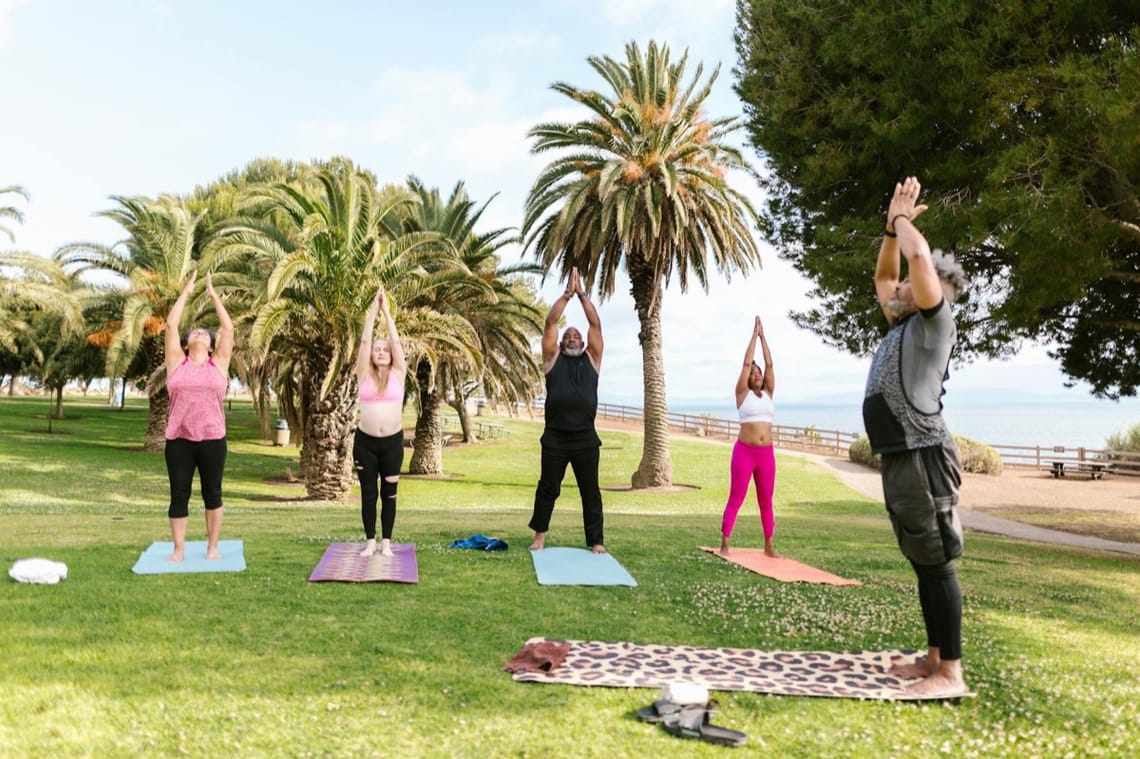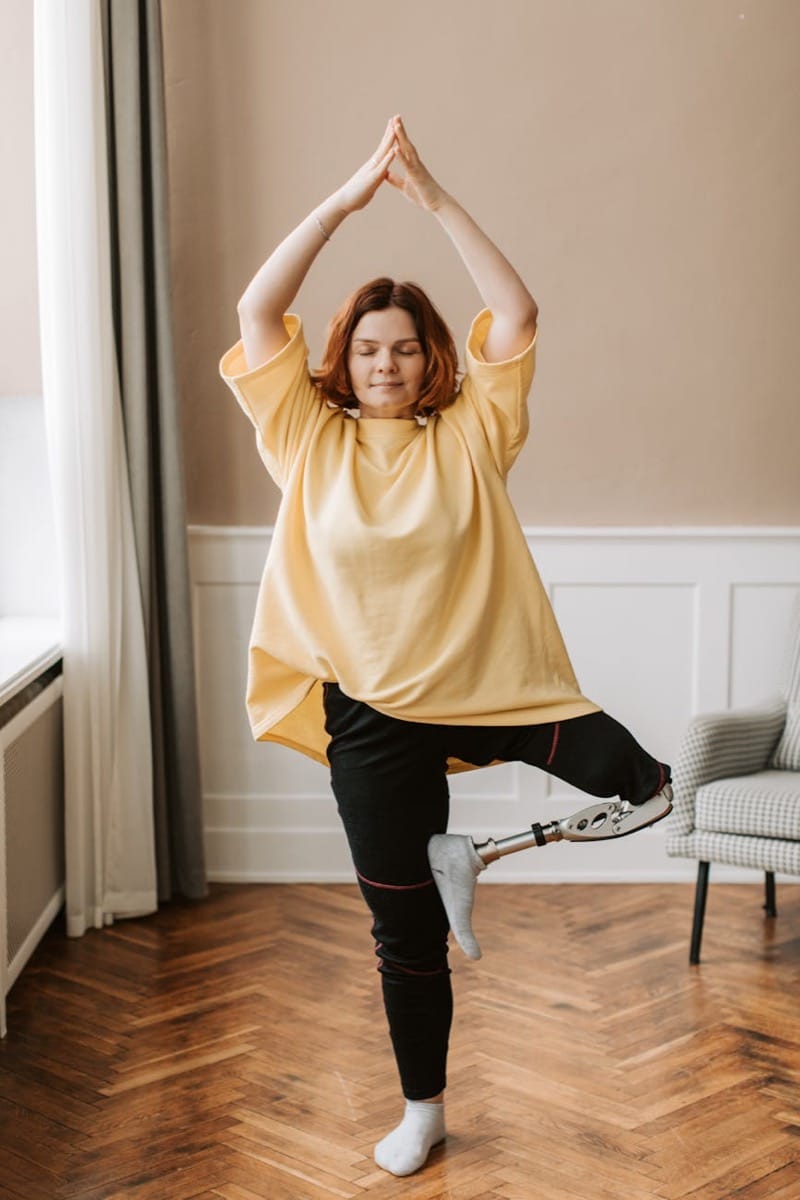
10 Ways Learning Yoga Online Can Enhance Your Practice

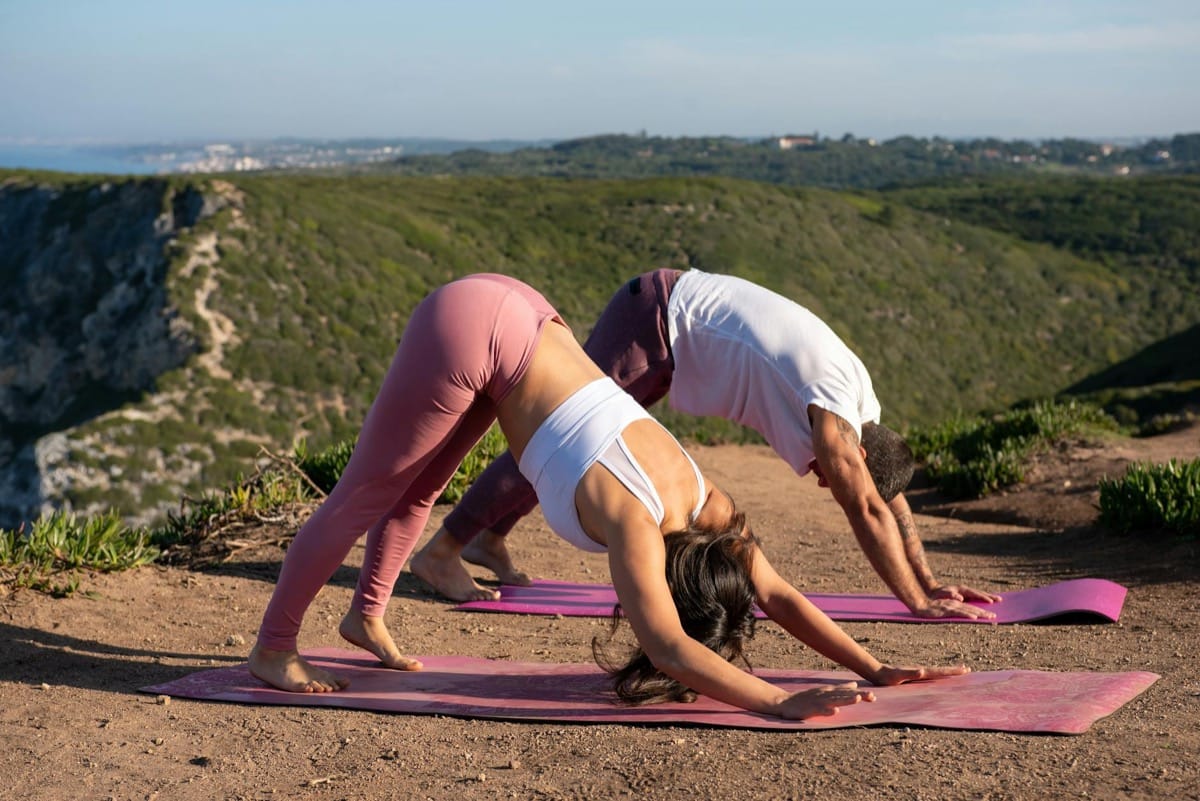
Online yoga courses offer unique advantages for deepening your practice. Learn how flexibility, expert instruction, and community support can take your yoga further.
You know the basics. Regular yoga practice calms your mind, strengthens your body, and creates space for something beyond the ordinary. But if you're practicing at home with YouTube videos or sporadic studio visits, you might be missing the structure, guidance, and accountability that actually moves practice forward. That's where intentional online learning shifts things. Learning yoga online isn't a compromise—it's a different tool, one that works particularly well if you're honest about your schedule, your questions, and what you actually need right now.
1. Practice on Your Own Schedule
Online yoga courses don't care when you roll out your mat. Whether you practice at 5 a.m. before work, during your lunch break, or late at night when the house is quiet, recorded classes and self-paced modules are there. This matters more than it sounds. Consistency builds practice, and consistency happens when you don't have to plan your life around a studio's schedule. Programs like Yoga Alliance-accredited platforms such as Yoga International or Gaia offer on-demand libraries you can access whenever. You're not choosing between your life and your practice—you're weaving practice into the life you actually have.
2. Learn from Teachers You Choose
In a local studio, you're limited to whoever teaches on Tuesday evening. Online, you can study with teachers from specific lineages, styles, or philosophies that resonate with you. Want to learn from a Iyengar specialist one month and explore yin yoga the next? You can. Platforms like YogaAlliance.org's teacher directory help you find instructors with verified credentials, and many offer specialty courses. This variety prevents your practice from stalling in one groove. You develop broader understanding and find teachers whose voice actually speaks to you—that matters for long-term commitment.
3. Get Feedback on Your Alignment
Recorded Classes with Multiple Angles
Quality online platforms film from multiple angles so you can study alignment from the front, side, and back views. This is something most group studio classes can't offer—one teacher, one perspective. When you're learning Urdhva Mukha Svanasana (upward-facing dog), seeing it from three angles helps you understand the subtle internal rotation of the shoulders and the engagement through your hands in ways a single view doesn't capture.
Live Classes with Real-Time Correction
Many online programs now offer live group sessions where teachers can see you via camera and offer corrections. Platforms like Alo Moves, DoYogaWithMe, and various independent teacher offerings include these options. You get studio-like feedback without leaving home, and teachers are more attentive because class sizes stay smaller. For specific alignment issues, some programs offer one-on-one consultation calls at additional cost, around $50-150 per session depending on the teacher's experience.
4. Study Philosophy Alongside Practice
Asana is one limb of yoga. Online courses can weave in the actual philosophical foundation—the Yoga Sutras of Patanjali, the Bhagavad Gita, the Yamas and Niyamas. Programs like the YogaAlliance-accredited 200-hour courses offered through platforms such as Yoga Works Online ($2,000-3,500) or Sampoorna Yoga Academy include text study alongside physical practice. You're not just moving your body; you're understanding the why. This deepens practice from exercise into an integrated system. Reading Patanjali's Yoga Sutras while practicing the poses they describe creates a coherence that transforms what you're doing.
5. Build a Sustainable Practice Rhythm
Structured online programs create accountability without the pressure. When you enroll in a course with a clear arc—say, a 12-week program on building arm balance strength or deepening your meditation—you have a reason to show up. The investment (even a free program creates psychological investment) matters. You're more likely to practice consistently than if you're randomly clicking videos. Consistency compounds. After 12 weeks of regular practice, your body remembers what took months to learn before.
6. Go Deeper on Topics That Interest You
A studio class moves through multiple poses in 60 minutes. An online course on a single topic—say, hip opening for runners, or backbend fundamentals—can spend weeks building capacity. Programs like Yoga International's specialty courses ($50-100 per course) let you spend real time understanding your edges rather than getting a taste of everything. If hamstring flexibility matters to your practice, a focused five-week program teaches you the biomechanics, the variations, and the progression you need. Depth over breadth changes how your body learns.
7. Track Progress Without Judgment
In a studio, you're aware of how your practice looks to others. Online, you practice alone. This removes a real barrier for many people—the self-consciousness that actually prevents full engagement. You can fall, wobble, breathe heavily, repeat a pose five times to understand it, film yourself to study your form. You're not managing anyone's perception. This freedom means you can actually focus on what your body is learning rather than what it looks like. Progress isn't about looking graceful; it's about building real capacity. You can play a video three times in one session if you need to. No one judges.
8. Access Specialized Teaching You Can't Find Locally
Maybe you want to study Kundalini yoga but your city has no qualified teachers. Maybe you're interested in yoga for anxiety, or pre-natal practice, or working with the vagus nerve. Online, these specialists are accessible. The International Association of Yoga Therapists (IAYT) certifies teachers through programs like Yoga U Online, which offers specialty training starting around $3,000 for 300-hour certification. Your local studio might have generalists; online gives you specialists who've spent years deepening a specific area.
9. Combine Learning with Daily Life Without Travel
If you live far from studios, or if your schedule doesn't align with class times, online courses remove this friction. You're not choosing between practice and the rest of your life. You're not spending an hour traveling to and from a 60-minute class. This means more people can sustain practice for years rather than stopping when life gets busy. Parents, people with long work hours, and rural practitioners can actually build serious yoga knowledge. This accessibility changes who gets to have a yoga practice—it's no longer limited to those with time and proximity to studios.
10. Invest in Yourself at Your Own Pace
Online learning ranges from free YouTube videos to comprehensive 300-hour teacher trainings. You can start with free content from credible sources like Yoga with Adriene or YogaAlliance.org, then invest in paid courses as you clarify what you need. A single specialty course might cost $30-100. A 200-hour YogaAlliance certification runs $2,000-5,000 depending on whether it's self-paced or includes live cohort components. You control the pace and the investment. Many platforms offer payment plans. This removes the barrier of large upfront costs that keeps some people from deepening their practice formally.
How to Choose Online Yoga Learning
Not all online yoga is equal. Look for teachers with actual credentials—check Yoga Alliance registration if you're doing certification work. Read reviews from people with similar goals to yours, not just general reviews. Start with free trials when possible. Notice whether the teaching style matches how you learn. Some people thrive with detailed verbal cues; others prefer silent demonstration. Notice the production quality—decent audio and camera work matter for learning.
Online yoga learning works because it meets you where you are—in your time, at your pace, with teachers who fit your needs. It's not about screens replacing the warmth of a studio community. It's about building a practice that actually sustains because it works with your real life, not against it. Try it for a month with genuine commitment, and notice what shifts.
Subscribe to the newsletter
Subscribe to my newsletter to get the latest updates and news