Summer Yoga Practice Above 85°F: Heat-Safe Sequencing

Your usual practice felt fine in April. In July, the same sequence leaves you lightheaded by the third sun salutation and wrung out by the end. The heat is doing something your practice hasn't caught up with yet — and the fix isn't just hydrating more. It's sequencing differently.
This post is about practicing yoga safely and effectively when ambient temperatures are above 85°F — whether you're outdoors, in a warm studio, or just living somewhere that heats up in summer.
What heat does to your body during practice
Heat increases heart rate at rest and during exercise. It diverts blood flow toward the skin for cooling, which means less blood available for muscles and the brain. Thermoregulation requires energy — so your effective exertion ceiling is lower than it is in cooler temperatures. Dehydration compounds all of this, and you can dehydrate quickly in hot conditions even before you feel thirsty.
None of this means don't practice. It means your practice needs to account for the extra physiological demand the heat is creating.
Ayurvedic context: summer and Pitta
Ayurveda views summer as Pitta season — the fire-and-water dosha is naturally elevated. Practices that add more heat (vigorous flow, hot yoga, prolonged sun salutations in direct sunlight) can overstimulate Pitta in sensitive individuals, producing inflammation, irritability, and exhaustion. Even if you don't follow Ayurveda, the principle is physiologically sound: adding fire to fire isn't always a good idea.
Summer sequencing adjustments
Practice in the morning or evening. Before 10am or after 6pm avoids peak heat. If you're outdoors, this also avoids direct sun exposure during peak UV hours. Your practice doesn't change; the clock does.
Slow the sun salutations. In summer heat, one slow Surya Namaskar is worth three rushed ones physiologically. Move at half your usual pace. Breathe fully between poses. Let the heart rate stay in a moderate zone rather than spiking and staying elevated.
Lean toward moon salutations. Chandra Namaskar — the lunar sequence — is the summer sequence. It emphasizes lateral movement, side body opening, and a cooler energy than Surya Namaskar. If you don't know the sequence, a simple standing side-stretch flow accomplishes the same thing.
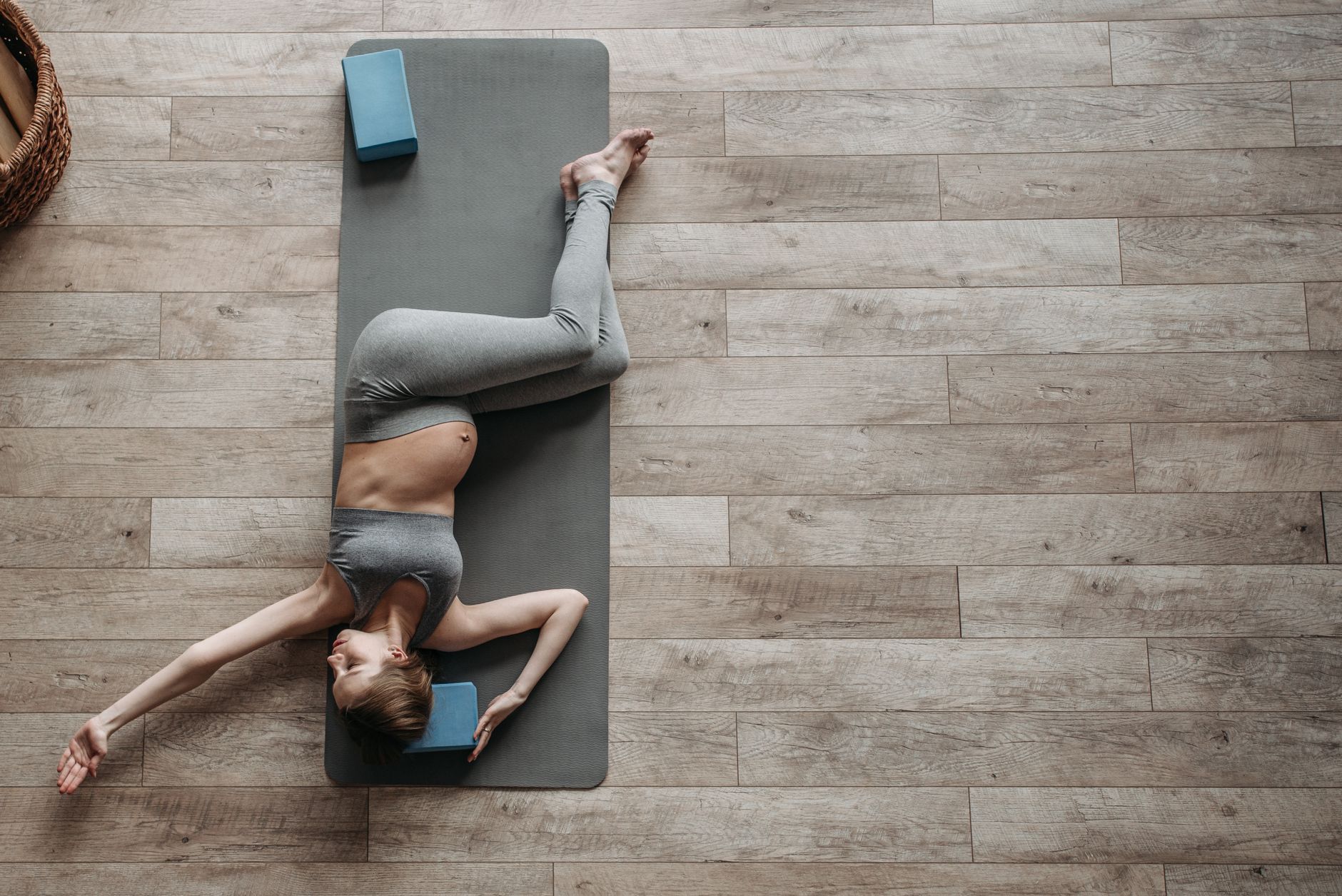
Prioritize hip-openers and forward folds. These are inherently lower-intensity than backbends and inversions. They also tend to feel better in the heat — the body is already more pliable when warm, and forward folds are calming to the nervous system, which is useful when the heat has you activated.
Shorten your practice. A 30-minute summer practice done well is more useful than a 75-minute practice that has you depleted. Reduce duration before you reduce quality.
Cooling pranayama for summer
Sitali breath is specifically cooling: curl the tongue into a tube, inhale through the tube, exhale through the nose. If you can't curl your tongue, Sitkari — inhale between the teeth, exhale through the nose — has a similar effect. Three to five minutes of either at the end of practice can genuinely reduce body temperature and calm the nervous system after a warm session.
What to skip in the heat
Skip hot yoga unless it's specifically designed for high ambient temperature and you're already adapted to it. Skip prolonged inversions — the blood pressure changes are more pronounced in heat. Skip vigorous backbends like wheel or camel as your peak pose on a very hot day — they spike heart rate and require significant muscular effort. Shoulder stand and plow are fine in a supported, passive form.
Frequently asked questions
How much water should I drink before a hot-weather yoga practice?
Aim to be well-hydrated before you start — not guzzling water immediately before practice. 16–20 ounces of water in the hour before, and small sips during if needed. Avoid practicing in heat when you're already dehydrated (dry mouth, dark urine).
Is outdoor yoga in summer okay?
Yes, with timing and shade. Early morning on grass or in dappled shade is lovely. Direct sun between 11am and 4pm in high summer is not appropriate for extended practice. Bring water, wear sun protection, and know your limits.
Where can I find more seasonal practice guides?
The OYP blog covers seasonal yoga practice and Ayurvedic approaches throughout the year. If you're a teacher wanting to deepen your seasonal and Ayurvedic knowledge, our YTT directory includes programs with Ayurveda-integrated curriculum.
Subscribe to the newsletter
Subscribe to my newsletter to get the latest updates and news