10 Reasons Why Yoga Is Effective for Men: Real Benefits Beyond the Stereotype

Yoga was built by men, for men. Here's what modern science and practitioners confirm about its real benefits for male bodies and minds.
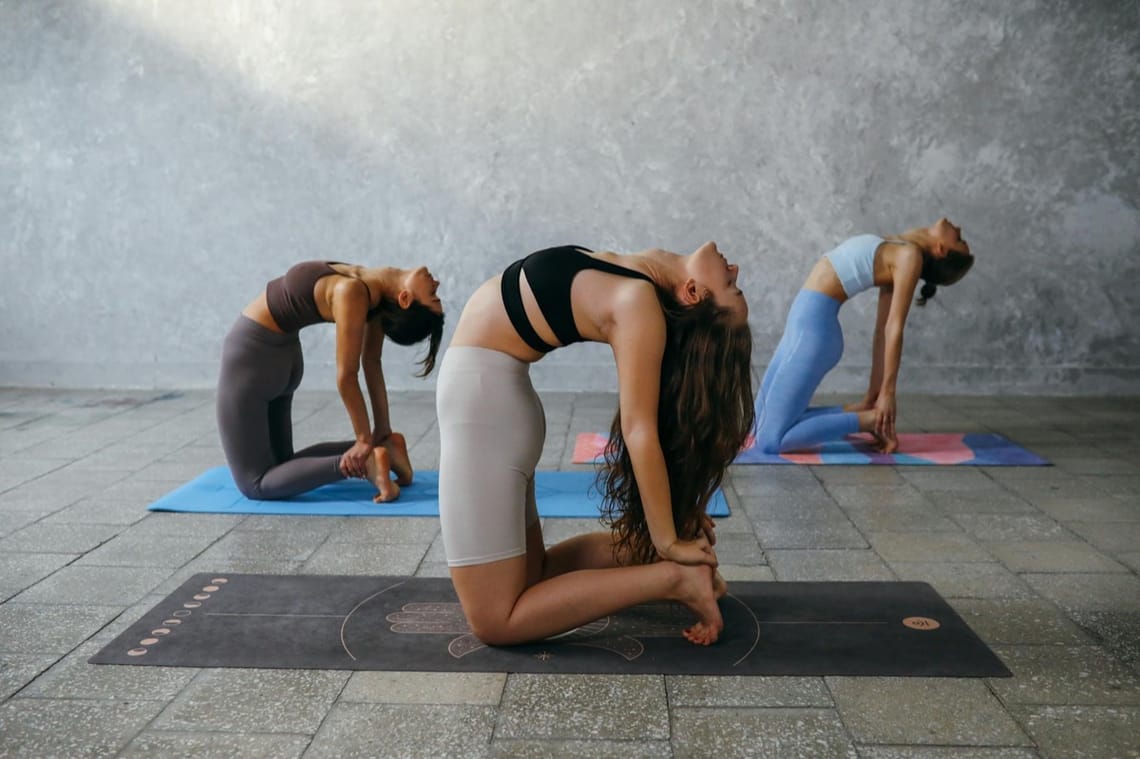
You've probably noticed yoga studios filled with women in colorful leggings, and you've wondered if yoga is actually for you. Maybe you think it's too slow, too spiritual, or just not challenging enough. The truth is simpler: yoga was designed thousands of years ago by men, for men. And today, men who practice report real, measurable changes—stronger shoulders, a calmer nervous system, fewer injuries, better sleep. If you've been curious but unsure, this is what you need to know.
Why Men Are Finally Turning to Yoga
About 300 million people worldwide practice yoga today, yet men still make up only 20-25% of studio practitioners. That gap exists largely because yoga got rebranded in the West as a flexibility and wellness practice for women. The original yoga—the yoga in the Yoga Sutras of Patanjali and the Hatha Yoga Pradipika—was a rigorous physical and mental discipline. It built strength, endurance, and mental focus. Modern men are rediscovering this. They're finding that yoga delivers what they're actually looking for: functional strength, injury prevention, stress management, and mental clarity.
1. Builds Real Functional Strength
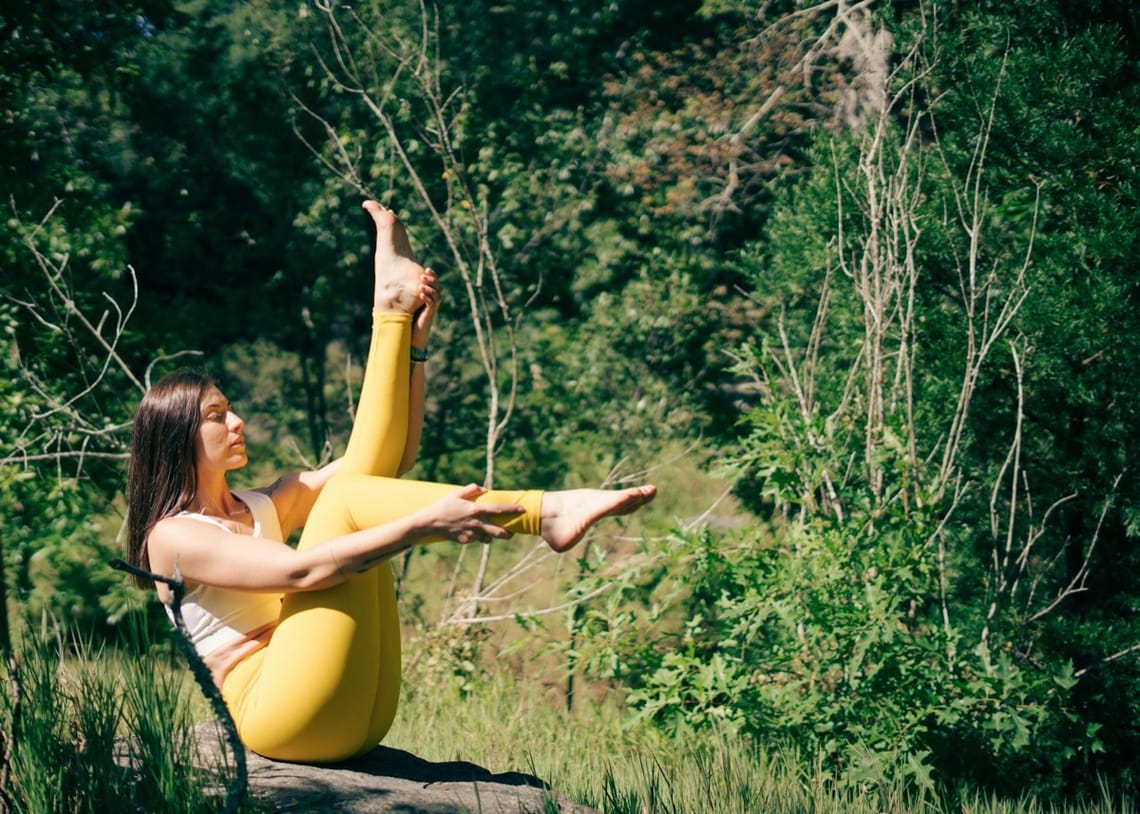
Yoga uses your own bodyweight as resistance. Poses like Chaturanga Dandasana (low plank), Navasana (boat pose), and arm balances like Bakasana (crow pose) build serious upper body and core strength. Unlike isolated gym movements, yoga builds strength in patterns your body actually uses—stabilizing muscles, grip strength, shoulder health. A regular vinyasa or power yoga practice develops the kind of strength that translates to real life: carrying things, climbing, pushing, pulling. You're not just moving weight; you're learning to control your entire body in space.
2. Improves Flexibility Without Feeling Weak
Men often avoid stretching because they think flexibility is frivolous. But tight hips, hamstrings, and shoulders cause lower back pain, shoulder impingement, and movement limitations. Yoga addresses this directly. Poses like Eka Pada Rajakapotasana (king pigeon pose) and Uttanasana (forward fold) open the hips and posterior chain. The difference between a yoga approach and static stretching is that yoga teaches you active flexibility—the ability to move into and control positions, not just passively hang in them. This prevents injury and improves athletic performance in every sport.
3. Strengthens Joints and Prevents Injury
Most injuries happen in weak ranges of motion. Yoga moves joints through full ranges under load and control. Your rotator cuff, knees, ankles, and wrists get stronger because you're actually using them. Poses like Adho Mukha Svanasana (downward dog) build shoulder stability. Lunges and standing sequences strengthen knees. Balancing poses improve ankle proprioception. Men who lift weights often develop strength imbalances and tight areas that lead to injury. A consistent yoga practice acts as injury prevention—you're building resilience in places that typically break down.
4. Regulates the Nervous System and Reduces Stress
This is where the ancient practice meets modern neuroscience. Pranayama (breath work) techniques like Nadi Shodhana (alternate nostril breathing) and extended exhale practices literally calm your nervous system by activating the parasympathetic response. Your vagus nerve—the main calming nerve—gets toned through yoga. Longer exhales trigger relaxation. A regular practice lowers cortisol, your stress hormone. Men often don't have outlets for emotional regulation. Yoga gives you one that's practical and effective. Fifteen minutes of Ujjayi breathing (ocean breath) during practice can shift your nervous system for hours afterward.
5. Improves Sleep Quality
One of the quickest wins men report from yoga is better sleep. This happens for three reasons: stretching releases physical tension you don't know you're holding, breathing practice calms your nervous system, and consistent practice regulates your cortisol rhythm. Many men hold stress in their shoulders, neck, and jaw without realizing it. A 30-minute evening yoga session—especially one that emphasizes gentle stretches and long holds—signals to your body that it's safe to rest. If you practice regularly, your sleep architecture improves: deeper REM and slow-wave sleep, fewer wake-ups, feeling more restored. This alone is worth the practice.
6. Increases Mental Clarity and Focus
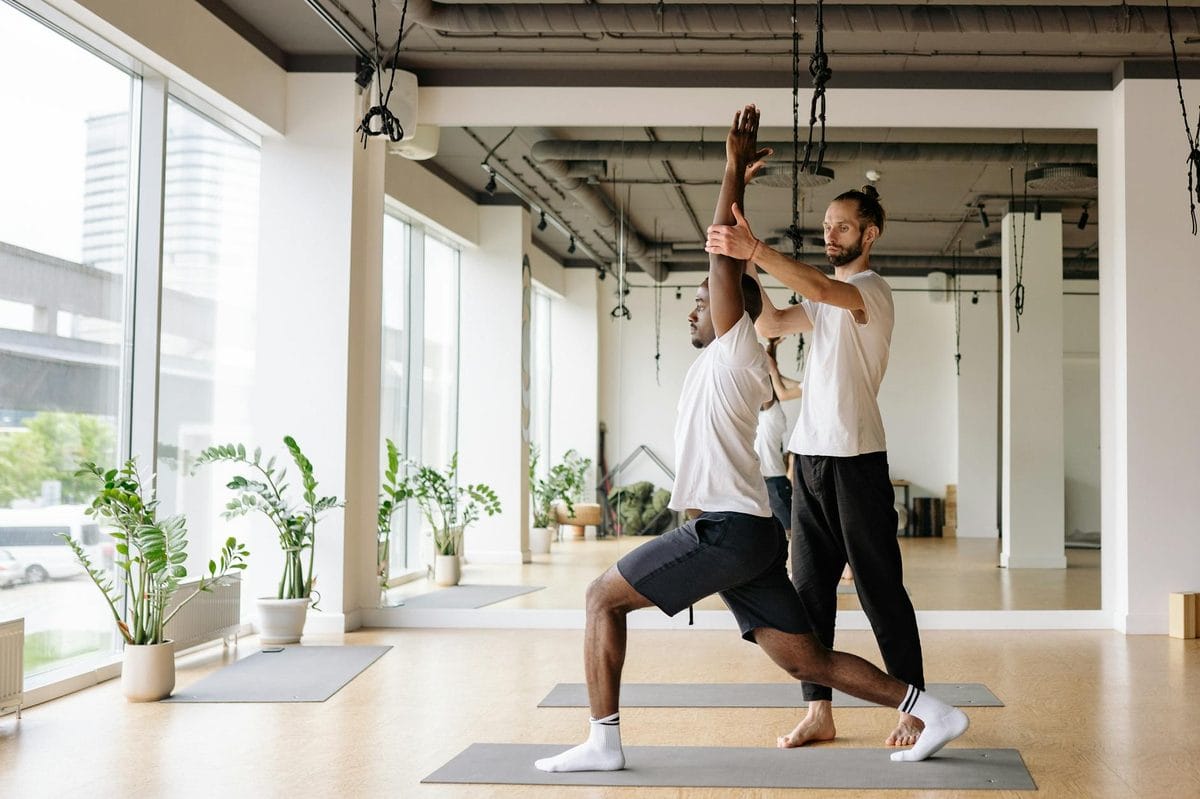
Yoga trains attention. In Sanskrit, this is called Dharana—holding the mind on a single point. When you're in Warrior II pose, you're not thinking about your email. Your mind is focused on breath, alignment, sensation. This repeated practice of bringing attention back to the present strengthens your ability to focus off the mat. Men who practice regularly report better concentration at work, fewer distractions, improved decision-making. The meditation and pranayama components directly increase blood flow to the prefrontal cortex—your executive function center. You're literally training your brain to be more focused and deliberate.
7. Builds Confidence Through Physical Mastery
Learning an arm balance or a challenging inversion is tangible progress. You set a goal—nail a handstand, hold a forearm stand, achieve a deeper backbend—and you work toward it methodically over weeks and months. This builds real confidence because you've proven to yourself that you can master something difficult through consistent effort. Unlike many modern pursuits, yoga gives you clear, measurable progress. You can see it in how you move, feel it in your strength, and experience it when you nail a pose you've been working toward. This carries into the rest of your life.
8. Develops Body Awareness and Proprioception
Most men are disconnected from their bodies until something hurts. Yoga wakes this up. Proprioception—your sense of where your body is in space—improves dramatically through practice. Balancing poses, closed-eye work, and precise alignment cues train this sense. Better proprioception means better posture, fewer injuries, better athletic performance, and simply more comfort in your own body. This also has a secondary benefit: you become aware of tension and patterns early, before they become problems. You notice when your shoulders creep up, when your lower back is gripping, when you're holding stress in your chest.
9. Complements Strength Training and Athletic Performance
Yoga isn't a replacement for strength training; it's a complement that most serious athletes need. Runners, cyclists, weightlifters, and team sport athletes all develop imbalances and restricted ranges of motion. Yoga restores these. A runner's hips get tight. A weightlifter's shoulders get internally rotated. A baseball player's thoracic spine gets limited. Yoga directly addresses these weak points. Adding 2-3 yoga sessions per week to a strength or sport routine prevents injury, improves mobility for better movement patterns, and speeds recovery. Elite athletes increasingly use yoga for this exact reason.
10. Provides a Sustainable Lifelong Practice
You can't go all-out at the gym forever. Your joints take wear. Recovery slows. But yoga scales with you. You can practice yoga at 25, 45, 65, and 85 years old, and it meets you where you are. A young man can practice power yoga and work toward advanced poses. A middle-aged man can use it for injury prevention and stress management. An older man can use it for mobility and balance. This sustainability matters. Yoga isn't a phase. It's a skill you build that only gets more valuable as your body changes over time.
How to Start: Practical First Steps
Find the Right Style
Not all yoga is the same. Hatha and Iyengar yoga focus on precise alignment and longer holds—good for building strength and understanding mechanics. Vinyasa and power yoga are more flowing and athletic—good for cardiovascular benefit and athleticism. Ashtanga is a set sequence, highly structured—good for discipline and progression. Start with what appeals to you. Many men prefer styles with clear structure and visible progression.
Start With Online or In-Person
Online platforms like Yoga with Adriene, Down Dog, and Peloton Digital offer guided classes you can do at home—no intimidation, no studio environment. Costs range from free (YouTube) to about $15 monthly for most apps. If you prefer in-person instruction, many studios offer intro packages around $30-50 for your first month. Look for studios that emphasize alignment-based teaching—they'll teach you proper form so you build strength safely.
Commit to Consistency Over Intensity
Three 30-minute sessions per week beats one intense 90-minute session. Consistency trains your nervous system, builds habit, and creates real change. Start there. As you progress, you'll naturally extend sessions or add more practice days. The goal isn't to achieve perfect poses immediately—it's to show up regularly and let the practice compound.
The Bottom Line
Yoga works for men because it addresses real problems: tight hips, weak cores, stiff shoulders, high stress, poor sleep, weak attention. It builds strength in ways that matter. It trains your mind. It prevents injury. And it's sustainable for life. The reason yoga is trending upward globally isn't because it's trendy—it's because it works. If you've been on the fence, the practical answer is simple: try it for four weeks. Three sessions per week, thirty minutes each. Notice what changes. Most men who start with this commitment stay with it because they feel the difference.
Go Deeper
Compare real programs in the OYP YTT Database:
Related Reading
Subscribe to the newsletter
Subscribe to my newsletter to get the latest updates and news