Iyengar Yoga 101: Props, Precision, and Practice for Every Body

Iyengar yoga uses props and precise alignment to make yoga accessible. Discover why it's ideal for beginners, how it helps with injuries, and how to start your practice.
You've probably heard that yoga will make you more flexible. That's true—but if you've tried a vinyasa flow or walked into a hot yoga class unprepared, you might have felt rushed, confused, or worse, injured. Maybe you're recovering from an injury, or maybe you're just someone who values understanding *why* your body moves the way it does. If that sounds like you, Iyengar yoga might be the path you've been looking for.
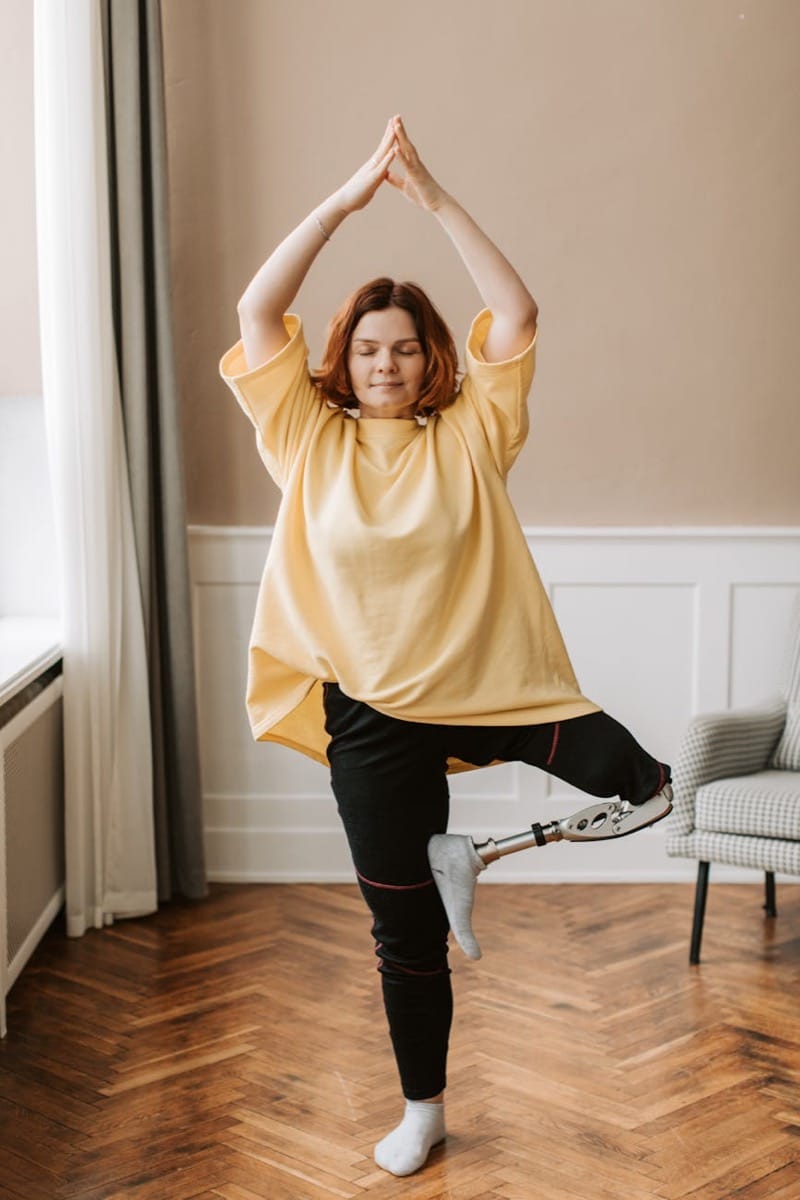
Iyengar yoga is different. It prioritizes alignment, precision, and the intelligent use of props—blocks, straps, bolsters, blankets, and walls. B.K.S. Iyengar, who developed this method in India over seven decades, believed that yoga should be available to every body, not just the naturally flexible. His system has become essential for people managing injuries, chronic conditions, and those simply wanting to build a sustainable practice rooted in understanding rather than ego.
What B.K.S. Iyengar Created
B.K.S. Iyengar (1918–2014) spent his life studying how yoga poses work within the human body. He created a structured, methodical approach to hatha yoga that emphasizes proper alignment in every posture. Rather than moving quickly through sequences, Iyengar yoga asks you to hold poses longer, understand the mechanics of your skeleton and muscles, and use props to access benefits you might otherwise miss.
What makes his legacy unique is the deliberate use of props. In Iyengar's view, a prop is not a crutch—it's an intelligent tool. A block under your hand in Uttanasana (forward fold) isn't lowering your ambition; it's allowing your hamstrings to lengthen without your spine rounding. A strap around your feet in Supta Padangusthasana (reclined hand-to-big-toe pose) lets you feel the full stretch without forcing your shoulders or lower back. This philosophy reflects the Yoga Sutras' emphasis on *sthira sukham asanam*—the balance of steadiness and ease in a pose.
Why Beginners and Injured Practitioners Thrive Here
Iyengar yoga is exceptionally welcoming to newcomers. Teachers spend time on foundational poses—Tadasana (mountain pose), Adho Mukha Svanasana (downward dog)—because these basic postures are not basic at all. They're the blueprint for everything that follows. In an Iyengar class, you might spend fifteen minutes in Tadasana, learning how to ground your feet, engage your thighs, lengthen your spine, and breathe.
For people managing injuries, Iyengar yoga offers a systematic way to practice safely. The alignment focus means less random movement and fewer surprises. A teacher trained in Iyengar principles understands how to modify poses for specific conditions—a knee injury, frozen shoulder, lower back pain, or sciatica. Because props reduce the demand on your joints, you can maintain your practice even while healing. Many physical therapists and orthopedic specialists now recommend Iyengar yoga specifically for rehabilitation.
The Essential Props You'll Use
Walking into an Iyengar studio can feel like entering a hardware store for the body. Here's what you'll encounter:
*Yoga blocks* (cork or foam): Placed under your hands, pelvis, or head to bring the floor closer. Cost: $12–25 each. Brands like Manduka and Gaiam make durable versions. *Yoga straps* (usually cotton or nylon): Used to extend your reach in poses like Paschimottanasana (seated forward fold). Cost: $8–20. *Bolsters* (firm pillows): Support your spine in restorative poses like Supta Baddha Konasana (reclined butterfly). Cost: $35–80. *Blankets* (often wool): Folded under your hips, under your head, or used as padding. Cost: $20–60. *Chairs*: Iyengar classes use sturdy wooden chairs for supported twists, forward folds, and backbends. They're studio property.
The wall itself is a prop. Wall-assisted poses help with balance, alignment feedback, and deepening stretches. Many Iyengar studios have mirrors and wall ropes (belts anchored at different heights) for supported inversions and standing poses.
What a Class Feels Like
An Iyengar class typically runs 60–90 minutes. You won't flow continuously from pose to pose. Instead, you'll spend 3–10 minutes in each posture, with the teacher giving detailed verbal cues about alignment. "Press the outer edge of your left foot down. Lift your inner right thigh. Lengthen your tailbone toward your heels." The language is precise, anatomical, and empowering—you're learning your body's geography.
Props are introduced without hesitation. Your teacher might place a block under your hand in Parsvottanasana (pyramid pose) without asking. There's no shame in this; it's intelligent sequencing. The room is usually quieter than a vinyasa class. There's less music, more focus. You'll leave feeling stretched, grounded, and genuinely understanding what your body did.
Finding Iyengar Yoga in Your Area
Iyengar yoga has a formal certification system. Teachers must log extensive hours (1,500+ to become certified) and pass rigorous exams. This means you can trust the training when you see "Certified Iyengar Yoga Teacher" listed. The Iyengar Yoga National Association (IYNA) and international associations maintain directories of certified teachers.
Look for studios advertising "Iyengar Yoga" specifically. Classes are often grouped by level: *Level 1 & 2* for beginners and those with injuries, *Level 3 & 4* for intermediate practitioners, and *Advanced* or *Intensive* for experienced students. Many studios offer introductory classes at $15–20. Regular class packages run $100–150 monthly for unlimited classes, or $20–25 per drop-in class. Online options exist through platforms like Iyengar Yoga Online and studio websites, though Iyengar philosophy emphasizes the value of in-person teaching for alignment feedback.
Starting Your Practice: What to Expect
If you're new to Iyengar yoga, tell your teacher. Be specific about injuries, surgeries, or pain. A good Iyengar teacher will adjust poses or offer alternatives without making it awkward. Bring a water bottle; Iyengar classes are less intense than some styles, so you won't sweat as much, but you'll still be working.
Don't expect to leave exhausted. Expect to leave present. You'll notice your posture improving within weeks. Your flexibility will grow steadily, without forcing. Your breathing will deepen naturally as your chest opens and your spine lengthens. Most importantly, you'll develop body literacy—the ability to notice and adjust your alignment not just on the mat, but in daily life.
The Philosophy Behind the Props
Iyengar yoga isn't prop-dependent; it's prop-intelligent. The goal is eventually to access poses without props, but only when your body is genuinely ready. Using a block isn't failure; it's honesty. It reflects the niyama of *satya* (truthfulness)—practicing honestly rather than performing an illusion of flexibility.
This approach aligns with the broader yoga tradition. The Yoga Sutras of Patanjali doesn't say flexibility makes you a yogi—it emphasizes steadiness, breath awareness, and inner clarity. Iyengar yoga delivers exactly that: a path inward through the intelligent care of the body.
Common Questions
*Is Iyengar yoga slow?* Not slow—focused. You move less frequently, but with greater intentionality. *Will I get strong?* Yes. Holding poses longer builds endurance and functional strength. *Can I do it at home?* You can practice many poses independently, but a teacher's eye is invaluable for alignment. Iyengar emphasized the teacher-student relationship. *Is it for flexible people only?* The opposite. It's designed for every body, especially stiff ones.
Iyengar yoga isn't about contorting yourself into an Instagram aesthetic. It's about meeting your body exactly where it is, understanding its limitations and potential, and practicing with patience and precision. If that resonates with you, you've found your yoga home.
Subscribe to the newsletter
Subscribe to my newsletter to get the latest updates and news