Is Yoga Really a Sport? What You Need to Know Before Starting

Your friend keeps suggesting yoga. But is it really a sport? Learn what yoga actually is, why it matters, and whether it's the right practice for you.
Your friend has been nudging you toward yoga for weeks now. Maybe they say it'll help you unwind after work, or they mention how strong it's made them. You might wonder: is yoga actually a sport? Can it really do all those things people claim? The short answer is that yoga is far more nuanced than a traditional sport—and that's precisely why it might be exactly what you're looking for.
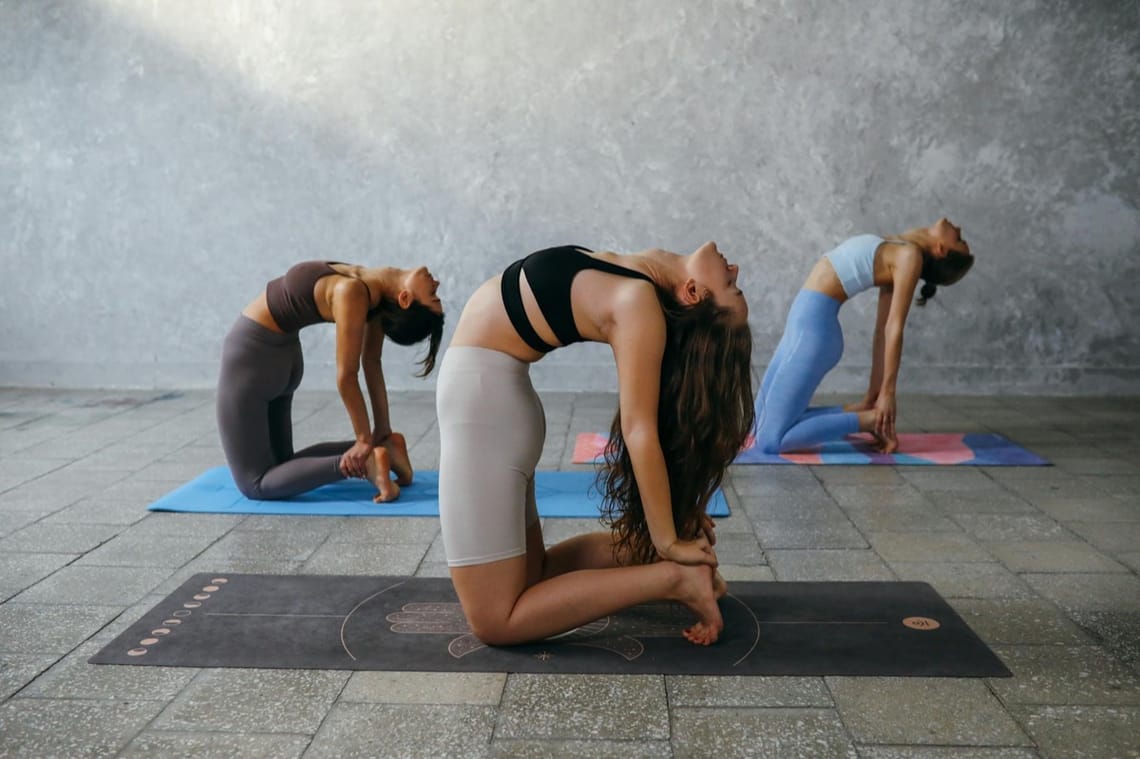
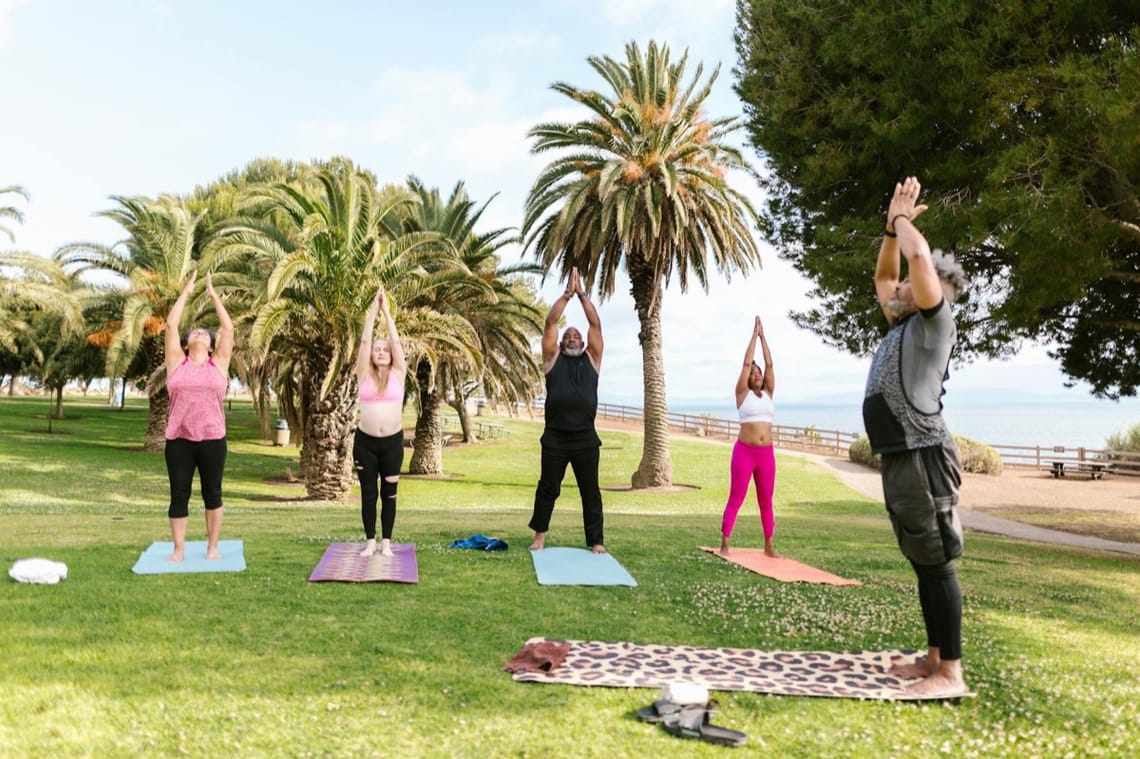
Yoga isn't competitive in the way running or basketball is. You're not racing against opponents or trying to beat a score. Yet it demands real physical strength, flexibility, balance, and mental focus. It's a practice that works your body, calms your nervous system, and builds awareness all at once. Whether you approach it as exercise, a spiritual discipline, or simply a way to carve out quiet time in your week, yoga has tangible benefits backed by both ancient philosophy and modern research.
Yoga Versus Sport: What's the Difference?
The word "sport" typically means a competitive activity with rules, scorekeeping, and winners. Traditional sports—tennis, soccer, swimming—focus on external performance metrics. Yoga, by contrast, is an internal practice. There's no scoreboard, no opponent, no medal waiting at the finish line. What matters in yoga is your own progress, your breath, your awareness in the present moment.
That said, yoga absolutely builds athletic qualities. A consistent practice strengthens muscles, improves cardiovascular health, enhances balance, and increases range of motion. Many athletes—runners, cyclists, weightlifters—add yoga to their training specifically because it prevents injury and aids recovery. Some people do practice competitive yoga, where athletes perform complex sequences (asanas) for judges, but this remains niche compared to how most people experience yoga.
The real distinction is intention. In sport, you compete against external standards. In yoga, you work with what's called "ahimsa"—non-harm—which extends to not forcing your body or comparing yourself to others. Your only genuine competition is the version of yourself you were yesterday.
Physical Benefits That Actually Matter
If you start a regular yoga practice, your body will change. Research from institutions like Johns Hopkins and the American Council on Exercise confirms what yogis have known for millennia. A few concrete gains:
Flexibility improves noticeably within 4–8 weeks of consistent practice. Poses like forward folds (uttanasana), pigeon pose (eka pada rajakapotasana prep), and deep lunges safely lengthen muscles and connective tissue. Unlike static stretching alone, yoga teaches you to breathe into tightness, which signals your nervous system that it's safe to release tension.
Strength building is subtle but real. Holding warrior poses (virabhadrasana), plank variations, and arm balances engages stabilizer muscles that traditional weightlifting sometimes misses. Your core becomes more resilient. Your shoulders and hips—commonly tight and weak from desk work—gradually rebalance.
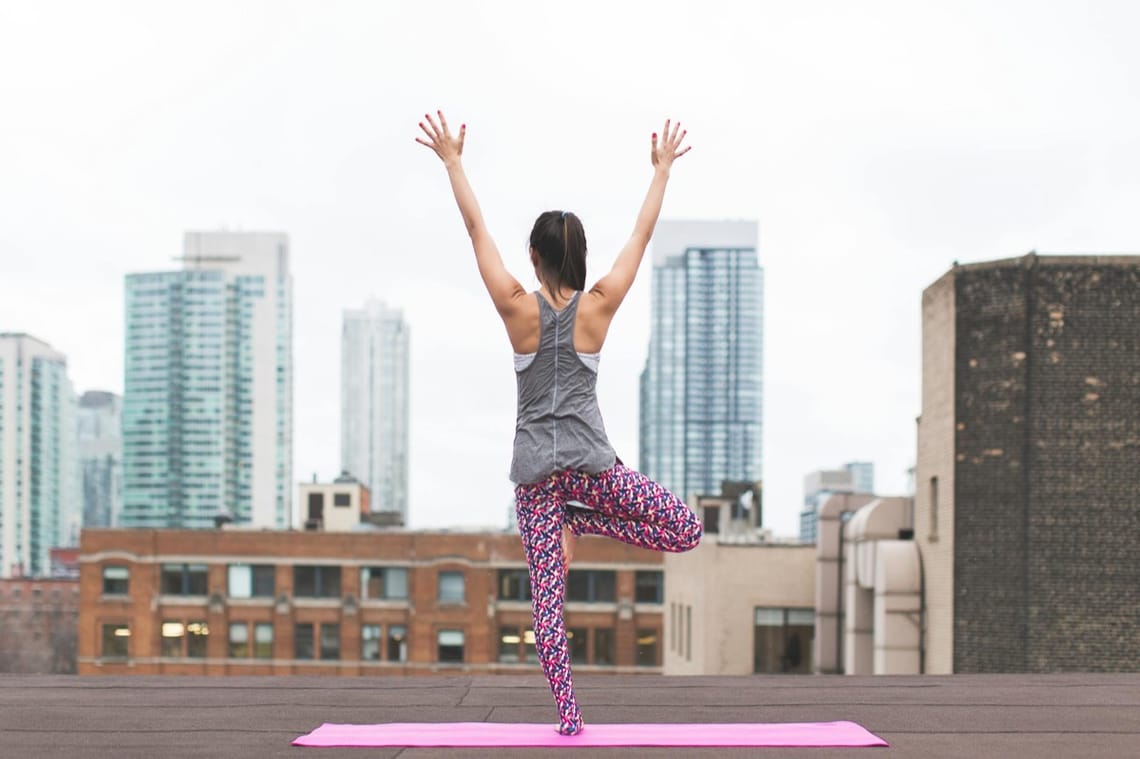
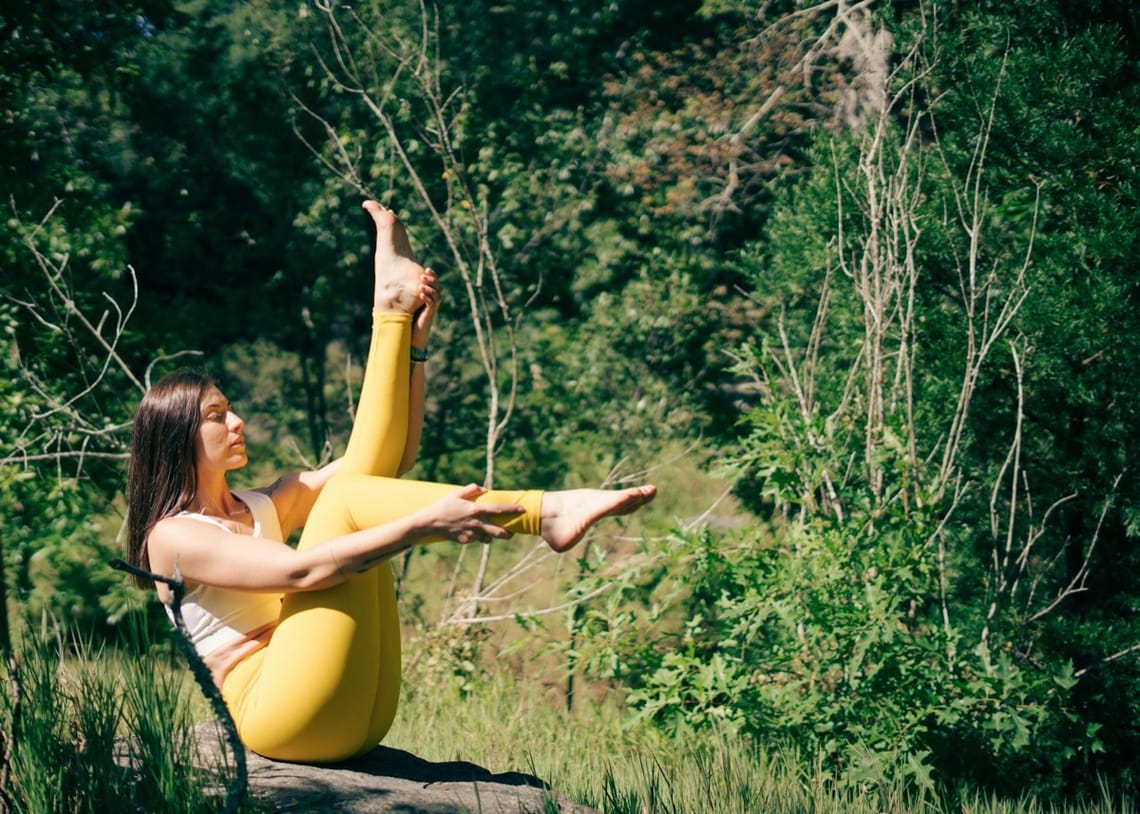
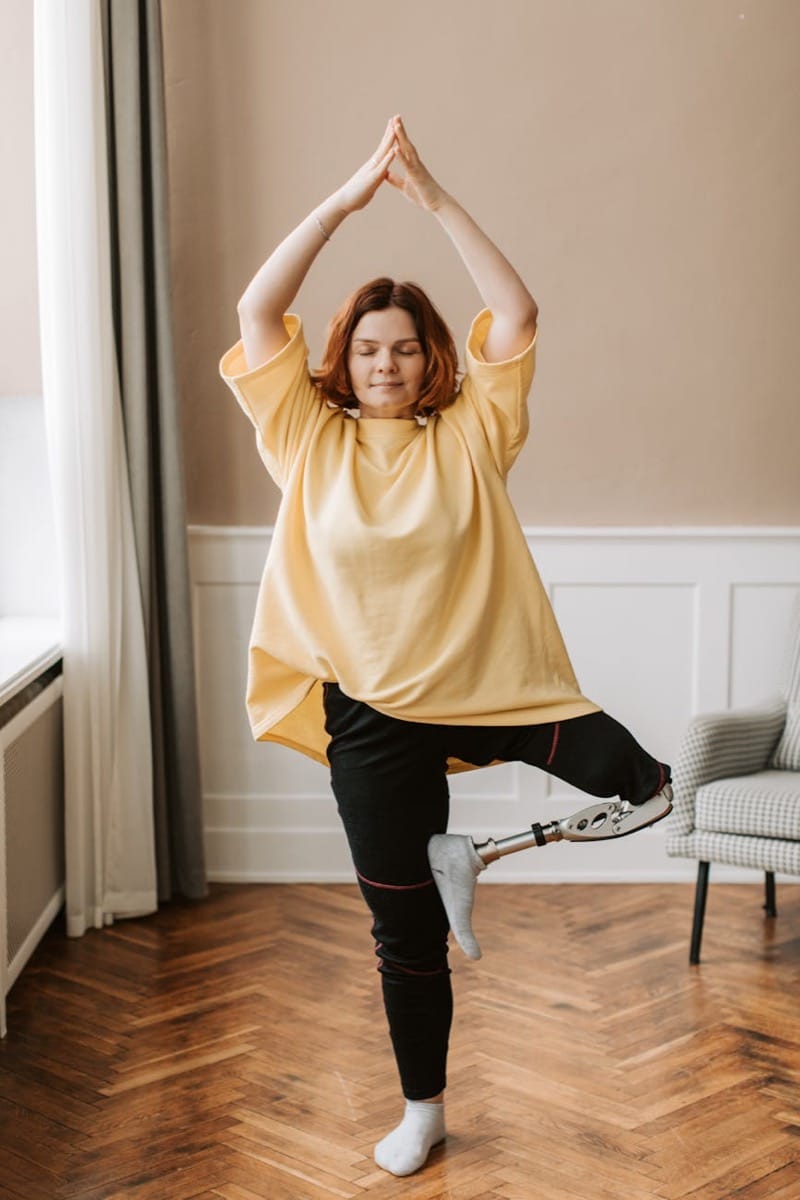
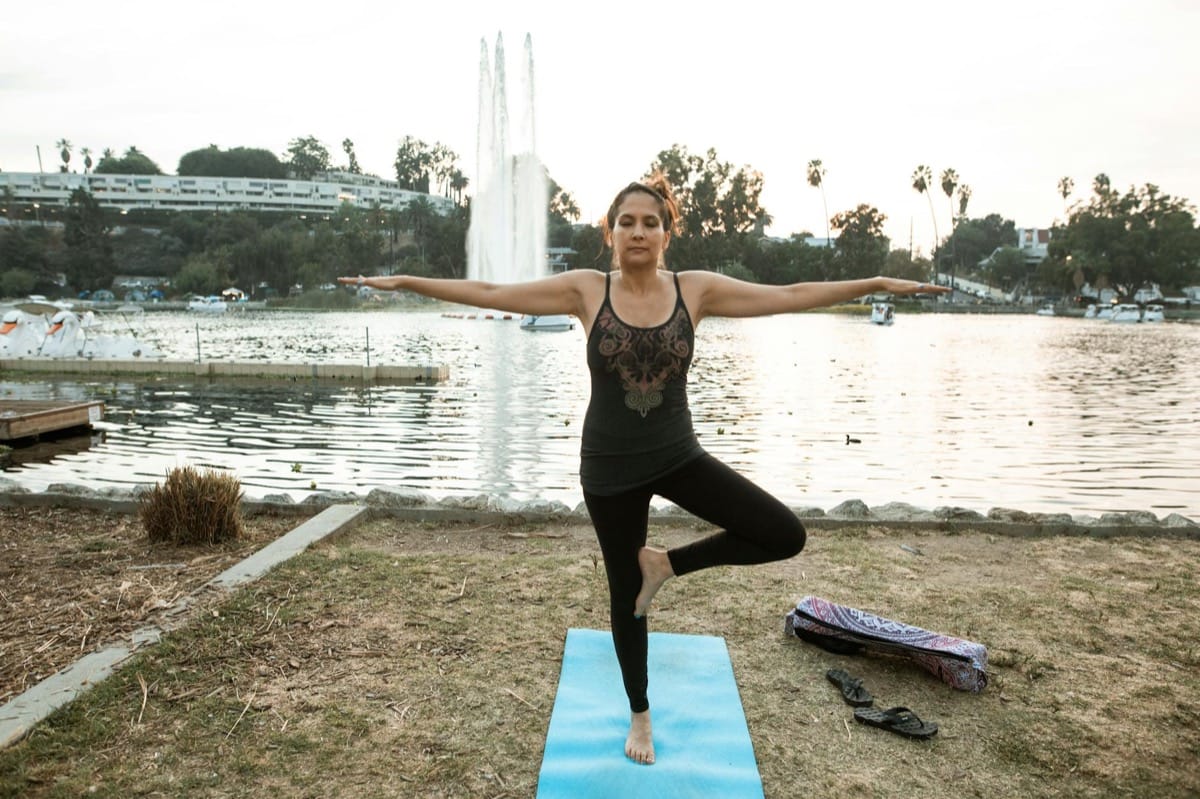
Balance and proprioception sharpen as you practice single-leg poses like tree pose (vrksasana) and extended hand-to-big-toe pose (utthita hasta padangusthasana). This matters more as you age. Better balance means fewer falls and a lower fracture risk later in life.
Your cardiovascular system also responds. Vinyasa and power yoga styles elevate your heart rate and build endurance. Even gentler styles activate the parasympathetic nervous system, which improves heart rate variability—a marker of cardiovascular health.
The Stress and Mental Health Factor
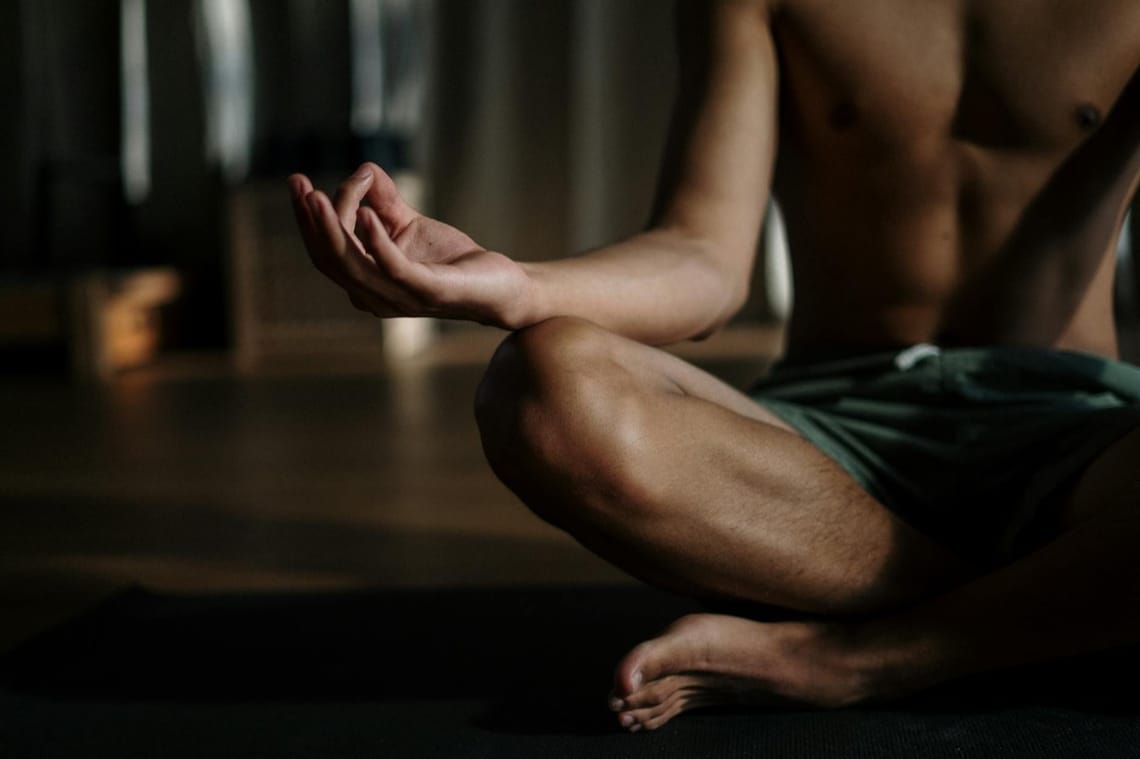
Here's where yoga shows its deepest value. The physical postures matter, but they're really just a vehicle for what yoga's actual purpose has always been: calming the mind. The Yoga Sutras, written by the sage Patanjali around 1,500 years ago, define yoga as "chitta vritti nirodhah"—the stilling of the mental fluctuations. In other words, yoga is about finding peace in your own mind.
When you practice asana with focused breathing (pranayama), you activate your parasympathetic nervous system. This is your rest-and-digest mode. Cortisol levels drop. Your heart rate slows. Your muscles relax. This isn't mystical—it's measurable neuroscience. Studies show that just 20 minutes of yoga can lower anxiety scores and improve mood in ways comparable to medication for some people.
Beyond the physiological shifts, yoga teaches you tools for managing difficult emotions. When you sit with discomfort in a challenging pose—say, a deep hip opener—and practice steady breathing instead of forcing your way out, you're essentially training yourself to stay calm under pressure. That skill transfers everywhere: meetings, family conflicts, traffic, illness.
Understanding the Yamas and Niyamas
If you commit to yoga seriously, you'll encounter its ethical foundation. The Yamas are five restraints—non-violence (ahimsa), truthfulness (satya), non-stealing (asteya), celibacy or energy conservation (brahmacharya), and non-possessiveness (aparigraha). The Niyamas are five observances—purity (saucha), contentment (santosha), discipline (tapas), self-study (svadhyaya), and surrender to something greater (ishvara pranidhana).
You don't have to adopt these philosophically to benefit from yoga's physical practice. But many people find that regular practice naturally pulls them toward these principles. You might notice you're kinder to your body, less competitive with others, more honest about your limitations, more content with what you have. These shifts happen gradually, without dogma.
How to Start: Class or Home Practice?
Your first decision is environment. Some people thrive in a class setting; others prefer home practice. There's no wrong choice.
Yoga classes range from $15–$30 per session at local studios, or around $200–$300 monthly for unlimited classes. Popular studios like YogaWorks, Yoga Journal Live, and local independent studios often offer intro packages—four classes for $30–$50—so you can try before committing. Classes provide structure, real-time alignment feedback, and community. A teacher can catch imbalances and prevent injury. Classes also keep you accountable; you're more likely to show up when you've made a commitment and paid.
Online platforms like Yoga with Adriene (free on YouTube), Peloton Digital ($13/month for 1,000+ classes), and Alo Moves ($10/month) let you practice anytime, anywhere. This works well if you have some prior experience or strong self-discipline. You're free from scheduling constraints and expense, but you lose direct feedback and live community.
Many people combine both: they take classes occasionally for guidance and motivation, then practice at home between sessions using recorded sequences or their own flow.
Finding Your Yoga Style
Yoga isn't one-size-fits-all. Different styles serve different goals. If you want a rigorous physical workout, Vinyasa or Power Yoga (fast-paced, breath-synchronized movement) or Ashtanga (a set sequence repeated exactly) will challenge you. If stress relief is your priority, Yin (long-held, passive poses) or Restorative yoga focus on relaxation. Hatha (gentler, longer holds) balances strength and calm. Kundalini emphasizes spiritual awakening through breath work and mantra.
Most beginners do best starting with a Hatha or Vinyasa class so they learn alignment basics before moving to more specialized styles. Try 3–4 different classes before deciding what resonates. Teachers matter too; a great instructor makes an ordinary class transformative, while a poor one can turn people away from yoga entirely.
Realistic Expectations and Consistency
Here's what won't happen: you won't look like Instagram yogis after two weeks. Real change takes time. Most people notice improved flexibility and reduced stress within 2–4 weeks of practicing 2–3 times weekly. Significant strength gains and noticeable mental shifts typically emerge over 2–3 months. After a year of consistent practice, most people barely recognize their former flexibility, strength, and sense of calm.
Consistency matters far more than intensity. Practicing 20 minutes five days a week beats one intense 90-minute class followed by two weeks of nothing. Your body and nervous system respond to regular, gentle repetition better than occasional heroic effort.
Approach yoga as a hobby or lifestyle habit, not a quick fix. Set realistic time: maybe two evening classes and one weekend morning class, plus 15 minutes on your bedroom floor some mornings. Treat it with the same respect you'd give any worthwhile practice—because that's what it is.
Is It Worth Your Time and Money?
If you're stressed, tight, or craving a practice that addresses body and mind together, yoga is worth it. The investment—whether $30 a class or $10 a month online—is small compared to what you gain: better sleep, less anxiety, improved mobility, real strength, and a tangible sense of calm you carry into daily life. Those aren't abstract benefits; they directly improve how you feel every single day.
Yoga isn't a sport in the traditional sense, but it's far from a casual hobby either. It's a complete system for integrating your physical, mental, and spiritual dimensions. Your friend who's been suggesting it? They're probably onto something. The best time to start was last year. The second best time is today.
Subscribe to the newsletter
Subscribe to my newsletter to get the latest updates and news