
Is Online Yoga Teacher Training Worth It? What You Need to Know Before Enrolling

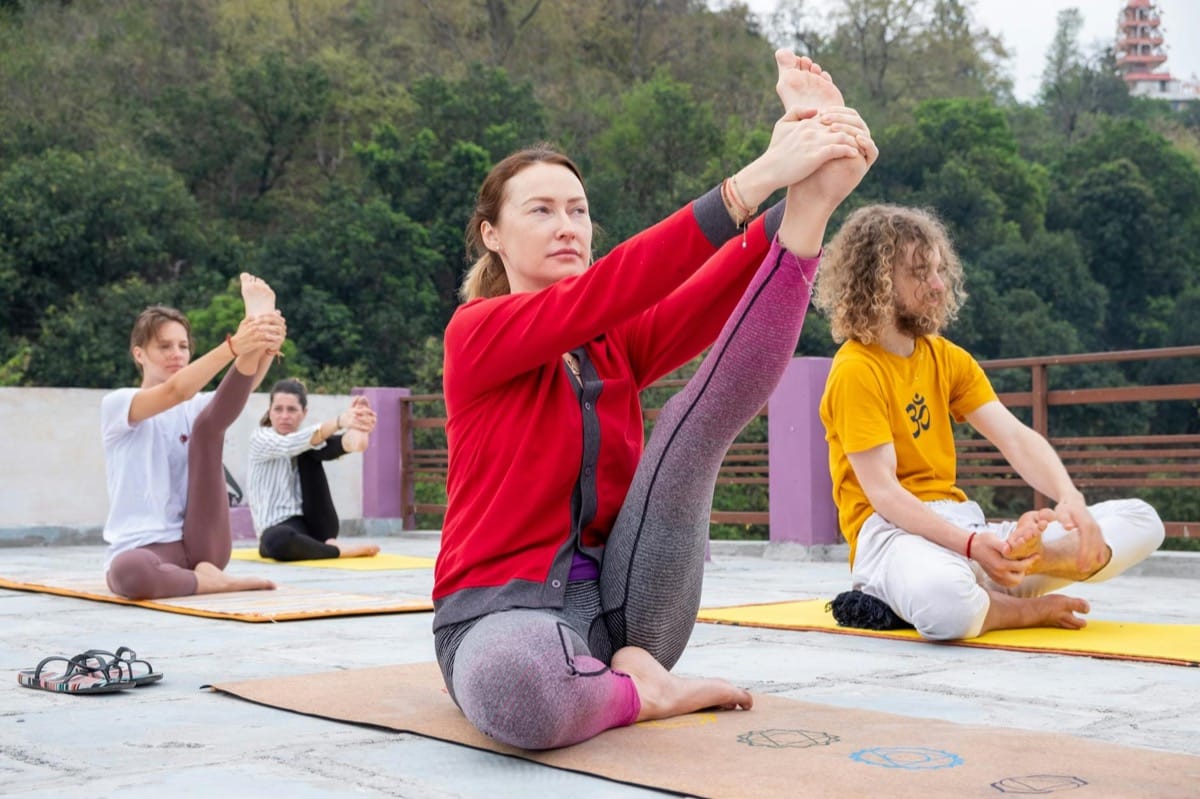
is online yoga teacher training worth it

Wondering if online yoga teacher training is right for you? Here's what actually matters when choosing a program.

You're thinking about getting your yoga teaching certification, but you're unsure whether an online program is really worth the investment of time and money. Maybe you've got work and family commitments that make a residential retreat impossible. Or perhaps you're on a tight budget and wondering if a cheaper online option gives you real teaching credentials. The question isn't simple, because the answer depends on what you actually want to do with your certification—and which program you choose.

The Real Cost of Online Yoga Teacher Training

One of the biggest advantages of online training is affordability. A 200-hour Yoga Alliance-registered online program typically costs $1,000 to $3,500, while in-person trainings at retreat centers often run $3,000 to $6,000 or more. Programs like Yoga Alliance-accredited platforms—including schools like Udemy's yoga teacher training courses (around $500 to $1,200), Yoga International (membership-based, roughly $20/month), and dedicated 200-hour programs through studios—offer real savings.

But cost alone isn't the measure of value. A $500 course and a $3,000 course teach the same basic asanas. The difference is in accreditation, instructor experience, community support, and whether your future students and studios will recognize it. Yoga Alliance registration matters if you plan to teach professionally. Without it, you're essentially self-certified, which limits where you can teach and what you can call yourself legally in some contexts.

Accreditation: What Actually Matters

Before enrolling in any online yoga teacher training, check whether the program is registered with Yoga Alliance (the largest credentialing body for yoga teachers in North America). A Yoga Alliance Registered Yoga Teacher (RYT) designation means the program met standards for hours, curriculum depth, and instructor qualifications. RYT-200 is entry-level; RYT-500 goes deeper.

Not all online programs are Yoga Alliance-approved. Some are excellent but unregistered—others are neither. The International Association of Yoga Therapists (IAYT) is another credible accreditor, especially if you're interested in therapeutic yoga work. Ask the program directly: Are you Yoga Alliance-registered? Can they provide proof? How many of your instructors have RYT-500 or higher credentials? A legitimate program won't hesitate to answer.

Schedule Flexibility vs. Real Learning

Online training removes location barriers and works around work schedules. If you're managing a full-time job or family, this is genuinely valuable. Most accredited online 200-hour programs take 6 to 12 months to complete, with self-paced video modules, weekly live classes, and assignments you fit into your calendar.

The trade-off is real, though. You miss the intensity of an immersive residential training—the daily practice in a community, the immediate feedback from instructors on your alignment, the depth that comes from being fully present without distractions. Some people need that container. Others thrive with self-directed study and asynchronous learning. Be honest about which one you are. A 200-hour training compressed into 7 days in-person is as demanding as a 12-month online program, just concentrated.

What Online Programs Usually Cover (And What They Miss)

A legitimate online yoga teacher training hits the Yoga Alliance standards: anatomy and physiology, yoga philosophy (Yoga Sutras, Bhagavad Gita, basic tantric concepts), asana and sequencing, pranayama, meditation, teaching methodology, and ethics. Most include recorded lectures, reading assignments, and practice hours.

Where online programs often fall short: one-on-one alignment correction. Video feedback can help, but it's not the same as a teacher adjusting your pelvis in Utkatasana in real time. Community is also weaker in self-paced models. The classmates you meet in a residential training become your peer teachers; online, that connection requires more intentional effort. Some programs address this with live cohort meetings or breakout groups. Ask about it.

Employability and Studio Recognition

Here's the practical truth: most yoga studios accept Yoga Alliance RYT-200 credentials, whether online or in-person. They care that you completed 200 hours of accredited training under qualified instructors, not where you did it. Some studios have their own hiring preferences and may ask where you trained, but the credential itself opens doors equally.

What won't open doors: an unregistered online course from someone's Instagram, no matter how cheap or how many asanas they cover. A two-week crash course isn't a yoga teacher training. Real programs require commitment, demonstrated practice, and structured learning. If you're planning to teach in studios, gyms, or offer private sessions professionally, Yoga Alliance registration is worth the extra cost and time.

When Online Training Is Worth It

Online yoga teacher training makes sense if: you have unpredictable work schedules or family obligations, you live far from quality training centers, you're testing whether teaching is right for you before investing heavily, you need affordable entry into a structured program, or you're already an experienced practitioner (at least 2-3 years of regular asana practice) and you're ready to formalize that knowledge. The program should be Yoga Alliance-registered, instructors should have RYT-500 credentials or higher, and there should be opportunities for live feedback, not just video modules.

When You Might Want In-Person Training Instead

Choose an in-person or hybrid training if: you're a beginner who needs hands-on alignment instruction, you thrive in community and structure, you can take time away for a residential retreat, or you plan to specialize in therapeutic or advanced yoga work where deep mentorship matters. In-person trainings are more expensive upfront, but the immersion and direct teacher-student relationship can accelerate learning for people who learn best that way.

Questions to Ask Before You Enroll

Before committing to any online program, ask these questions: Is the program Yoga Alliance-registered? What are the instructor qualifications (RYT-500 minimum preferred)? How much live interaction is included, not just pre-recorded videos? What's the refund policy if you change your mind? Can you speak with alumni about their experience? Does the cost include all materials, or are there hidden fees? How long do you have access to the course materials after completion? What happens after you finish—is there alumni support or community?

Reputable programs like Yoga Alliance's Registered School directory, established studios offering online trainings, and schools like Yoga International or Prasad Yoga Training offer transparency. They'll answer these questions without pushiness. Programs that won't answer, that promise rapid certification, or that emphasize hype over structure are flags.

The Bottom Line

Online yoga teacher training is worth it if you choose a program thoughtfully. The value is in accreditation, credible instructors, structured curriculum, and reasonable cost—not in flashy marketing or speed. An online Yoga Alliance RYT-200 is a legitimate credential that opens teaching opportunities and represents real learning. What it requires is honest self-assessment about how you learn best, commitment to 200 hours of actual study (not 200 hours of passive video watching), and willingness to supplement with your own practice and mentorship beyond the program.

The best teacher training—online or in-person—is one you'll actually complete and that matches your learning style. If online fits your life and you choose a registered program with qualified teachers, you'll get solid preparation for teaching. That's worth the investment.

Go Deeper

Compare real programs in the OYP YTT Database:

Related programs in our directory:

evaluate online certification value

evaluate training program value

is yoga teacher training worth it

evaluate your training choice

Subscribe to the newsletter

Subscribe to my newsletter to get the latest updates and news