3 Beginner-Friendly Introduction to Yoga Courses Online


New to yoga? These 3 beginner-friendly online courses teach you the basics safely, without intimidation. Find which fits your style and schedule.
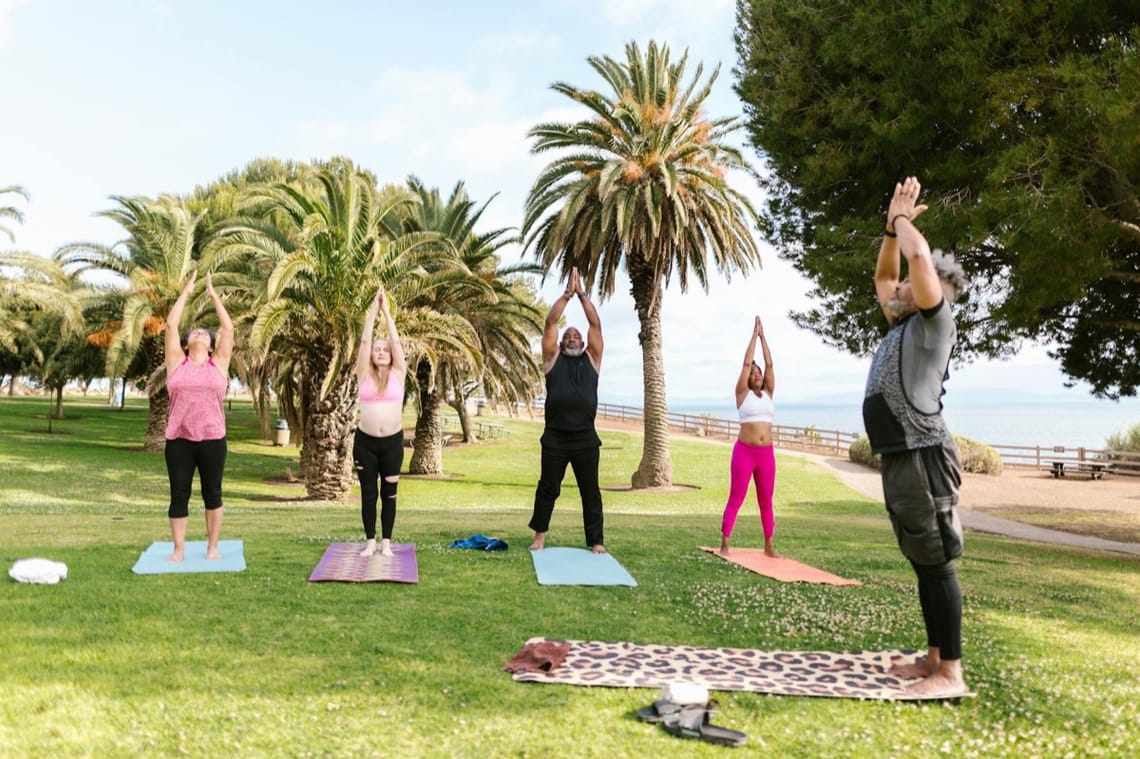
You've decided to try yoga, but you're not sure where to start. Maybe you're worried the poses will be too hard, or you're intimidated by yoga terminology and fancy studios. Maybe you're just not sure if yoga is actually for you. These concerns are completely normal—and they're exactly why a good beginner course matters. The right introduction to yoga meets you where you are, moves at your pace, and focuses on fundamentals over flashiness. This article walks you through three legitimate online courses that are genuinely designed for people starting from zero yoga experience.
What Makes a Beginner Yoga Course Actually Good
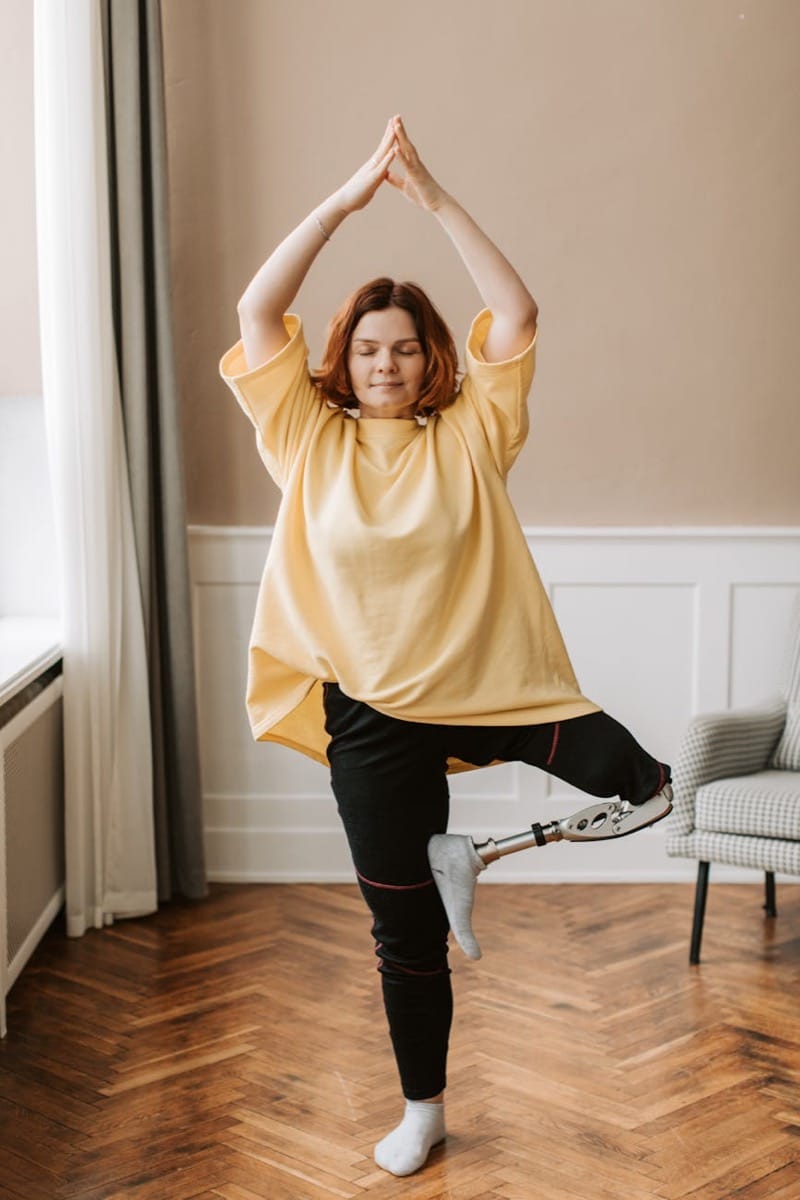
Before we look at specific courses, let's be clear about what separates a helpful beginner program from one that will leave you confused or injured. A real beginner course should explain *why* you're doing something, not just show you the pose. It should offer modifications—easier versions of poses you'll see—so you can build strength and flexibility gradually. The teacher should acknowledge that your body is different from other bodies in class, and that's completely okay. Alignment matters more than depth. And the course should help you understand the basic principles of yoga—the relationship between breath and movement, how poses build on each other—rather than just stringing together sequences.
Course 1: Yoga with Adriene (YouTube + Adriene's App)
Cost and Accessibility
Yoga with Adriene is free on YouTube. Adriene Mishler's channel has over 11 million subscribers, and her "Yoga for Beginners" playlist is where most newcomers start. If you want structured curriculum with tracking, her dedicated app (Adriene+) costs about $12.99 per month or $99 per year. You don't need the app to learn, though—the YouTube content alone is substantial.
Why It Works for Beginners
Adriene teaches with warmth and humor. She names poses in both English and Sanskrit (like Downward-Facing Dog, or Adho Mukha Svanasana), so you learn terminology naturally without feeling lectured. Her "30-Day Yoga Journey" is genuinely paced for beginners—each session is 20-30 minutes, manageable alongside a regular schedule. She consistently offers modifications: ways to do a pose if your shoulders are tight, or your knees need support, or you're building core strength. She also emphasizes the breath, one of the foundational principles in yoga philosophy, and explains how breathing steadies the nervous system. For someone who's never practiced, this demystifies yoga immediately.
What to Expect
You'll do gentle flows that emphasize proper alignment. Sessions include standing poses like Mountain Pose (Tadasana) and Warrior One (Virabhadrasana I), seated poses, and usually end with a brief relaxation. You won't be pushed into advanced poses. The production quality is simple—no fancy editing or background music that's distracting. Adriene films in her home studio, which makes the whole thing feel accessible. She teaches in the context of how yoga helps with anxiety, sleep, flexibility, or back pain, so you see the *purpose* of what you're learning.
Course 2: Yoga Alliance Accredited Programs (Yoga International, Alo Moves)
Cost and Accreditation
If you want instruction backed by formal yoga education standards, look for courses accredited by the International Yoga Alliance or taught by Registered Yoga Teachers (RYTs). Two solid platforms are Yoga International and Alo Moves. Yoga International costs about $15 per month or $99 per year. Alo Moves is roughly $13 per month or $120 per year. Both platforms offer "Yoga for Beginners" tracks taught by experienced, credentialed instructors. This matters if you want assurance that the teacher has studied yoga philosophy and anatomy, not just done yoga for a few years.
Why Alignment and Anatomy Matter
An RYT-trained teacher understands how bodies work. They know that your knees shouldn't point inward when you're in a lunge, or that your wrists can get injured if your weight isn't distributed correctly in Downward Dog. They understand the yamas and niyamas—yoga's ethical guidelines—which inform how they teach with patience and without judgment. Yoga International, in particular, emphasizes these philosophical roots. You'll learn not just poses, but *why* yoga has been practiced for thousands of years, grounding your practice in genuine tradition rather than fitness trends.
What to Expect
Expect slower-paced instruction than some YouTube content. Classes are often 30-45 minutes. Teachers guide you through foundational poses with detailed cuing about where to place your feet, how to breathe, how to find stability. You'll spend time understanding a single pose before moving to the next. Both platforms offer "beginner" filters, so you can search specifically for introductory classes. You'll also find supplemental content—brief articles about yoga philosophy, breathwork (pranayama), or meditation—that give context for the physical practice.
Course 3: Local Studio Virtual Classes (Beginner Series)
Cost and Personal Connection
Many local yoga studios now offer virtual classes, and many have dedicated beginner series. A typical 6-week or 8-week beginner series costs $60–$120 depending on your location and studio reputation. Some studios charge per class ($15–$25), others offer unlimited monthly memberships ($60–$100). The advantage here is live teaching: the instructor can see you and correct your alignment in real time, or answer questions after class. You also get continuity—the same teacher over several weeks, building a gentle community with other beginners.
The Benefit of Real-Time Feedback
When a teacher sees you in real time, they can catch something in your posture before it becomes a habit. If you're hiking your right shoulder up toward your ear in Downward Dog, they'll notice and suggest an adjustment. They can also read the room: if everyone looks lost, they'll slow down and explain more. They get to know you and your body's needs over the series. This personal attention is hard to replicate in pre-recorded classes, no matter how good the production quality.
How to Find One Near You
Search "yoga studios" plus your town name and look for their websites. Many list beginner series on their class schedule, often labeled "Intro to Yoga" or "Fundamentals." Call or email and ask if they offer beginner-specific courses, and whether teachers are RYTs. Ask, too, about their approach: some studios lean toward alignment-based yoga (like Iyengar), others toward gentle vinyasa flow, others toward a more philosophical or spiritual approach. Different styles suit different people. You might take a intro trial class to see how the teacher communicates and whether the pace feels right.
How to Choose Between Them
If you want free or very low-cost, start with Yoga with Adriene. You get solid basics, and if yoga turns out not to be for you, you haven't invested money. If you value knowing your teacher has formal training and you want philosophical grounding along with poses, choose a platform like Yoga International or Alo Moves. If you learn better with live feedback and want to build community, find a local studio's beginner series. You can also combine these: do Adriene's free intro on YouTube to see if yoga feels right, then invest in a beginner series at a local studio for personalized guidance.
What You Actually Need to Begin
You need a quiet space about the size of a yoga mat—roughly 24 by 68 inches. A yoga mat itself costs $20–$100 depending on brand and thickness. Manduka and Jade are well-regarded; even a basic $30 mat from a sporting goods store works fine. Wear clothes you can move in. Some people like having a yoga blanket ($20–$40) and blocks ($15–$25) for support, but beginners can use a folded towel and a pillow if needed. The most important thing: show up with genuine curiosity and patience with yourself. Yoga isn't about being flexible or doing advanced poses. It's about building a sustainable relationship with your body and breath.
Moving Forward After Your First Course
After you finish a beginner course, you'll know whether you want to continue and what style resonates with you. Some people love the grounding of alignment-based practice. Others connect with the flow of vinyasa. Some are drawn to the spiritual and philosophical dimensions, or the therapeutic benefits for anxiety or chronic pain. You might stay with the same teacher or platform, or try something new. The point is: your first course is an introduction, not a commitment to one path forever. Let it open the door. See what feels true for your body and your life right now. That's enough.
Subscribe to the newsletter
Subscribe to my newsletter to get the latest updates and news