The Chakras Defined: A Beginner's Guide

If chakras feel mysterious, you're not alone. This guide explains each energy center, where it sits in your body, and how to tend it.
If you've started a yoga practice or deepened your meditation, you've likely heard the word 'chakra.' Maybe it felt foreign. Maybe someone mentioned your root chakra or heart chakra, and you weren't sure what they meant. Chakras are real to your experience on the mat and in your life—not mystical abstractions, but energy patterns worth understanding.
What Are Chakras, Really?
Chakras are energetic centers within your body. The word comes from Sanskrit, meaning 'wheel' or 'disk,' because ancient yogis experienced them as spinning vortices of energy. There are seven main chakras running along your spine, from the base to the crown of your head. Each one corresponds to different physical, emotional, and spiritual aspects of your being.
The chakra system isn't mentioned explicitly in the Yoga Sutras of Patanjali, the foundational text of classical yoga. But it appears in the Upanishads and the Tantric texts, particularly the Sat-Chakra-Nirupana, which maps the chakras with precision. These ancient writings describe chakras as meeting points of subtle energy channels called nadis. When these channels flow freely, you feel grounded, creative, confident, and at peace.
The Seven Chakras and Their Functions
Think of the chakras as a ladder from earth to sky. Each level matters. You can't skip your roots to live in your crown.
Muladhara: Root Chakra
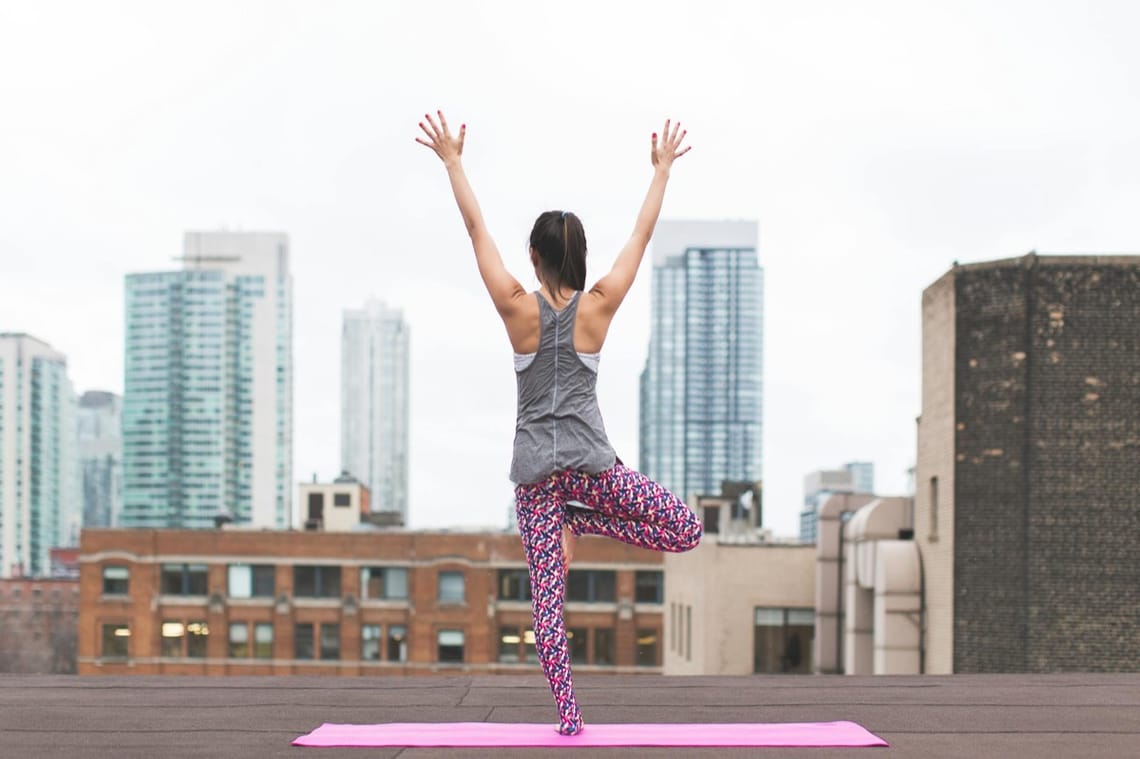
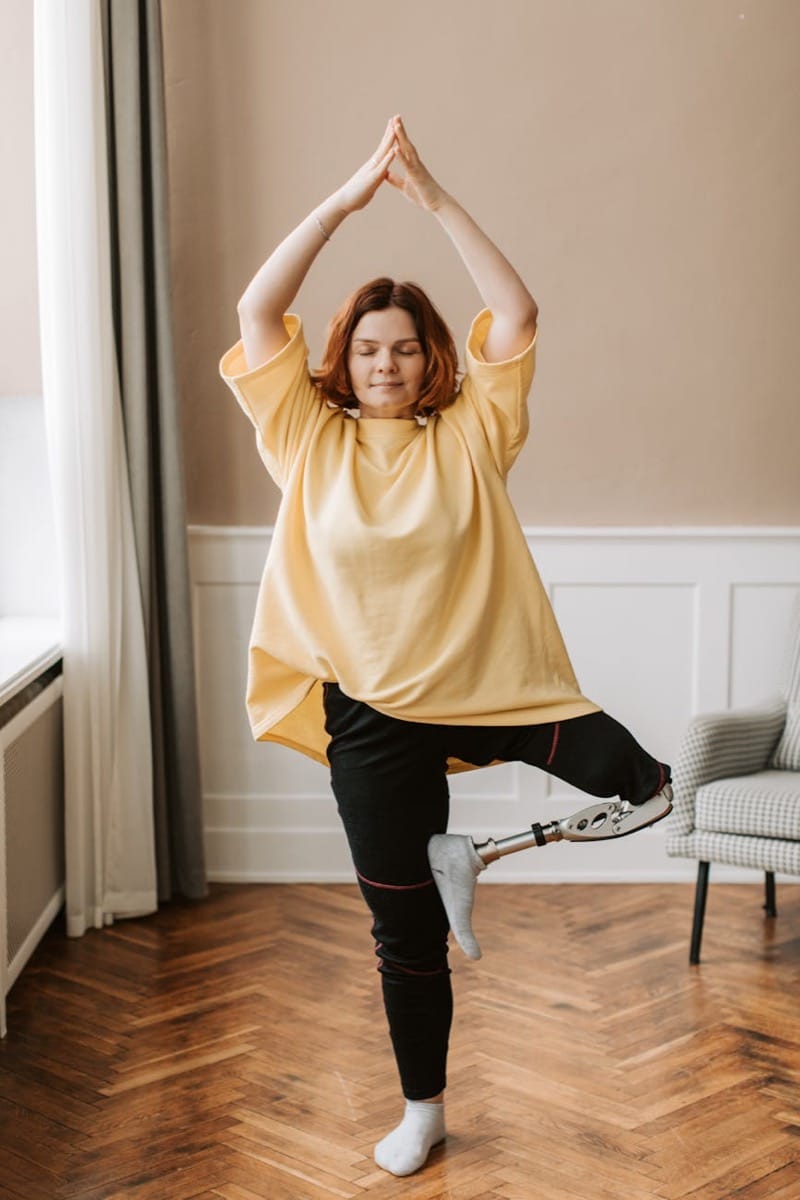
Muladhara sits at the base of your spine. Its element is earth. This chakra governs survival, safety, and grounding. When Muladhara is open, you feel stable, secure, and present in your body. When it's blocked, you might feel anxious, scattered, or unsafe. Physical issues like lower back pain, constipation, or weak legs can reflect root chakra imbalance. The color is red. The mantra is LAM. Grounding practices like standing poses (Tadasana, Vrksasana) and barefoot walks activate this chakra.
Svadhisthana: Sacral Chakra
Located just below your navel, Svadhisthana is the seat of creative and sexual energy. Its element is water. This chakra flows—literally and figuratively. When healthy, you feel creative, sensual, and sexually alive. Blockages here show up as low libido, creative paralysis, or emotional rigidity. The color is orange. The mantra is VAM. Hip openers like Baddha Konasana and Malasana bring fluidity back.
Manipura: Solar Plexus Chakra
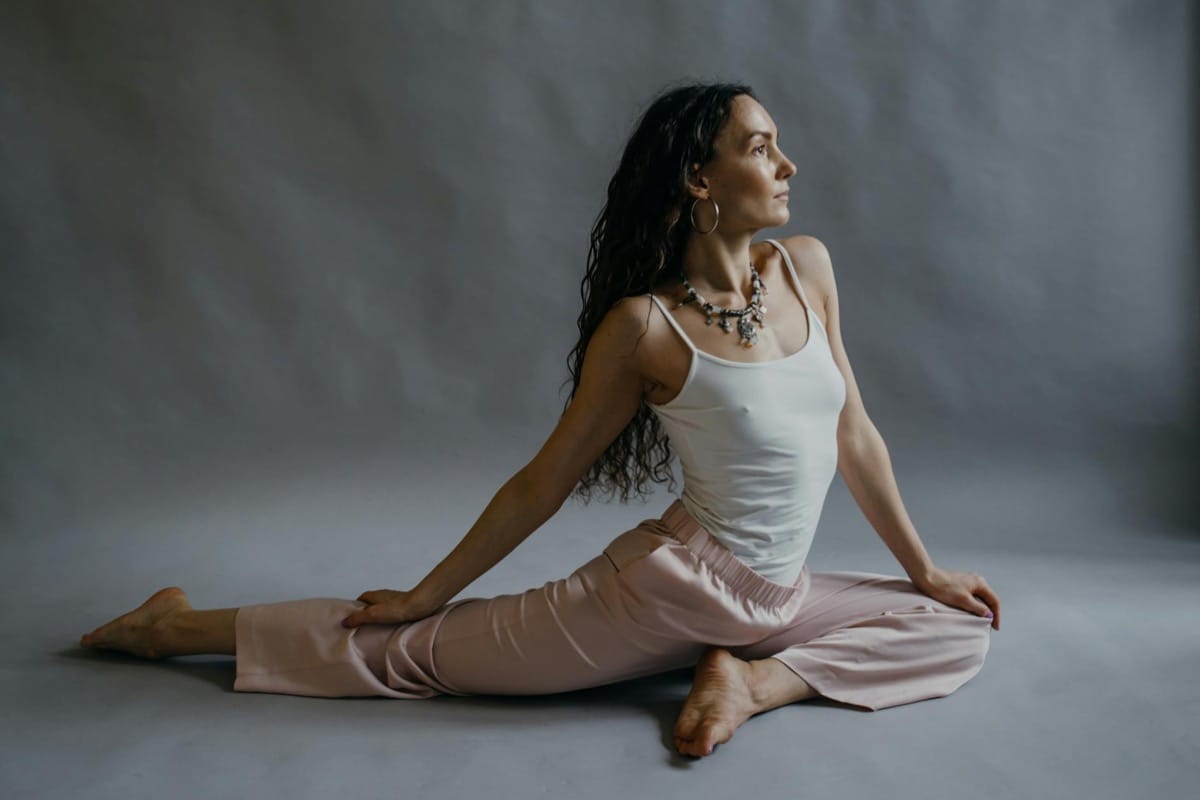
Manipura, at your navel center, means 'lustrous gem.' This is your power center. Its element is fire. A strong Manipura brings confidence, willpower, and healthy digestion. When weak, you feel powerless, guilty, or ashamed. You might struggle with metabolism or have stomach upset. The color is yellow. The mantra is RAM. Core work and twists like Ardha Matsyendrasana stoke this inner fire.
Anahata: Heart Chakra
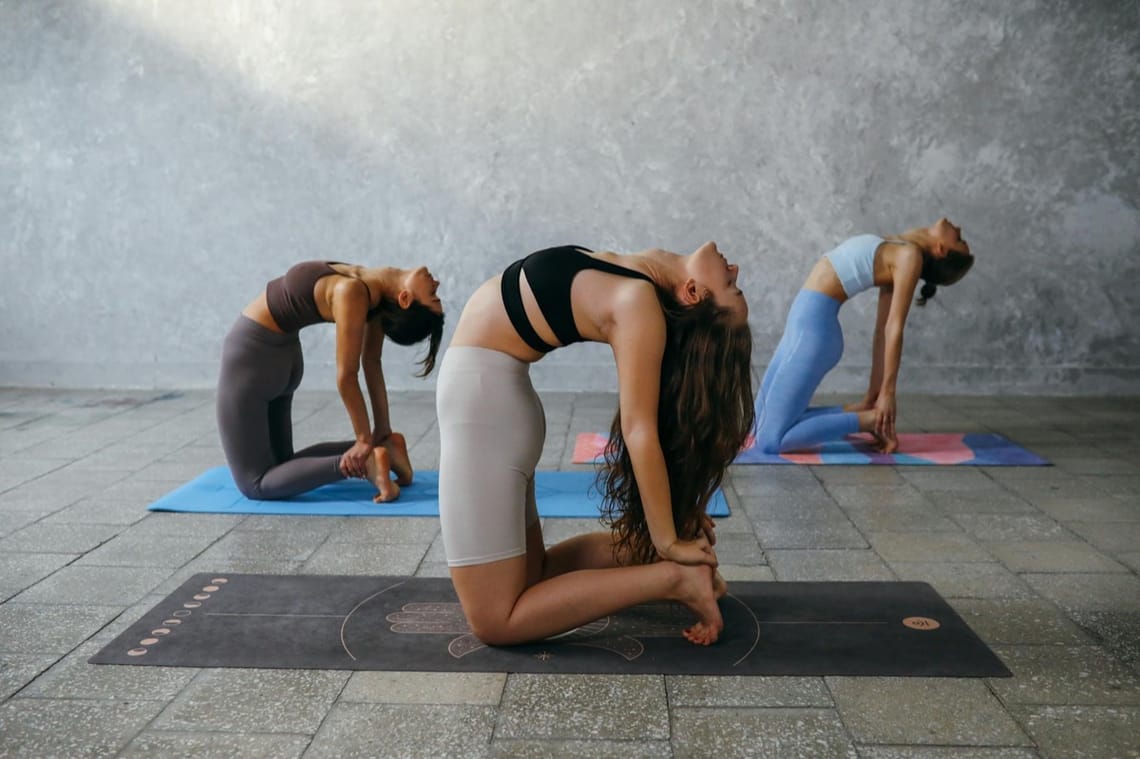
At the center of your chest, Anahata means 'unstruck sound'—the sound of your own heartbeat, heard from within. Its element is air. This chakra governs love, compassion, and connection. When open, you give and receive love freely. Blockages here create loneliness, resentment, or closed-off feelings. Shoulder and chest tension often reflects heart chakra restriction. The color is green (or pink). The mantra is YAM. Heart openers like Ustrasana and Bhujangasana, plus loving-kindness meditation, heal this center.
Vishuddha: Throat Chakra
Located at your throat, Vishuddha relates to communication, self-expression, and truth. Its element is ether or space. A clear throat chakra means you speak your truth without fear. Blockages leave you voiceless, unable to express yourself, or prone to harsh speech. Thyroid issues and sore throats can reflect imbalance here. The color is blue. The mantra is HAM. Neck rolls, Lion's Breath (Simhasana), and chanting activate this center.
Ajna: Third Eye Chakra
Between your eyebrows sits Ajna, often called the third eye. This chakra governs intuition, insight, and inner vision. When balanced, you trust your gut and see situations with clarity. Blocked, you feel confused, have poor memory, or doubt your intuition. The color is indigo. The mantra is OM. Meditation, forward folds like Paschimottanasana, and practices that quiet the mind strengthen Ajna.
Sahasrara: Crown Chakra
Sahasrara sits at the crown of your head. It's the seat of pure consciousness and spiritual connection. This chakra isn't about blockage or imbalance in the way others are—it's about degrees of opening. An open Sahasrara brings a sense of unity, peace, and connection to something larger than yourself. The color is violet or white. There's no mantra, only silence. The most subtle of all practices—pranayama, meditation, and study of sacred texts—nurture this center.
How to Know When a Chakra Is Blocked
A blocked chakra doesn't mean it's permanently stuck. It means energy isn't flowing smoothly through that center. You might notice physical sensations—tension, pain, or numbness—in the body area where that chakra lives. Or you might feel emotional symptoms: fear, shame, anger, grief, or disconnection. Some people experience both. A few signs that a chakra needs attention: chronic tension in that area, recurring physical illness, avoidance of certain emotions, difficulty with activities tied to that chakra's function (speaking for the throat, loving for the heart, creating for the sacral).
Practical Ways to Balance Your Chakras
Balancing chakras isn't complicated. It comes down to attention and gentle, consistent practice.
Asana (poses): Each chakra responds to specific poses. Root chakra work uses grounding standing poses. Sacral work uses hip openers. Solar plexus work includes core poses and twists. Heart work includes backbends and chest openers. Throat work includes neck movements and forward folds. Third eye work includes forward folds and seated meditation. Crown work includes inversions and seated meditation. A well-rounded yoga practice naturally touches all seven chakras.
Pranayama (breathwork): Breath moves prana—life force—through your nadis. Alternate nostril breathing (Nadi Shodhana) balances left and right energy channels. Root chakra work pairs well with longer exhales (calming). Sacral and solar plexus work pair well with longer inhales (energizing). Heart and above benefit from equal breathing (Sama Vritti).
Meditation: Focus your awareness on one chakra at a time. Visualize its color. Mentally chant its mantra. Feel into the emotions or sensations that arise. Ten minutes daily on a single chakra for a week or month creates real shifts.
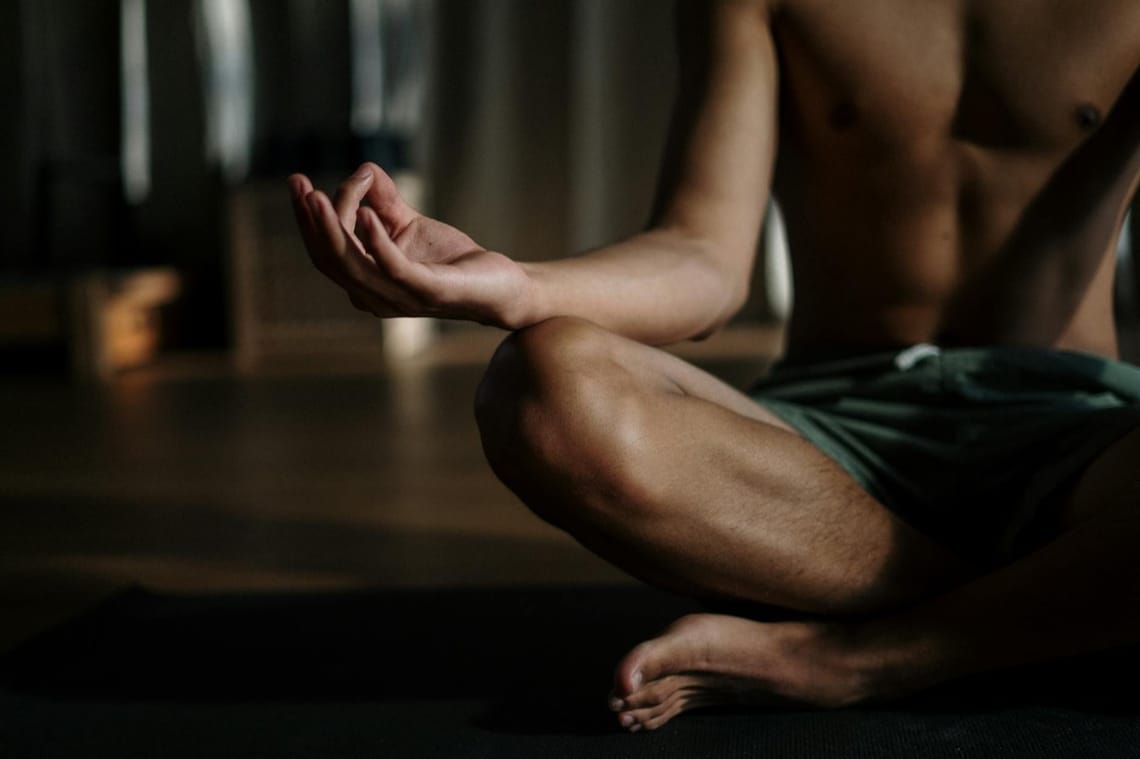
Mudras: Hand gestures channel energy. Muladhara mudra (index finger and thumb pressed together on each hand) grounds you. Gyan mudra (index and thumb) opens intuition. Each chakra has associated mudras detailed in traditional texts.
Sound and mantra: Chanting the seed syllables (LAM, VAM, RAM, YAM, HAM, OM, silence for Sahasrara) activates each chakra's frequency. Many teachers include these in class. You can also listen to chakra-specific binaural beats or singing bowls, though the most powerful sound comes from your own voice.
Lifestyle alignment: A balanced root chakra grows from stable housing, regular meals, and financial security. A healthy sacral chakra needs creative expression and sensual pleasure—art, dance, time in nature. A strong solar plexus requires purposeful action and healthy boundaries. An open heart needs loving relationships and forgiveness practices. A clear throat needs honest conversation. Intuition grows in stillness. And spiritual connection deepens through regular contemplation. Chakra work isn't separate from life—it's woven through it.
Chakra Training and Deepening Your Knowledge
If chakras interest you, consider a yoga teacher training where chakra philosophy is woven in. Many 200-hour YTT programs (RYT-200) include modules on the chakra system. Programs from established lineages—like those affiliated with the International Yoga Federation or those teaching in the Tantric or Hatha traditions—tend to cover chakras with depth. Costs range from $2,000 to $6,000 depending on location and duration.
Books worth reading include 'The Chakra Bible' by Anodea Judith and 'Wheels of Life' also by Judith, which blend traditional texts with Western psychology. For pure traditional knowledge, read the Sat-Chakra-Nirupana in translation and the relevant Upanishads. Many of these are free through Project Gutenberg or inexpensive on Kindle.
The Bottom Line
Chakras are a map of your inner landscape. They connect your body, emotions, mind, and spirit. You don't need to believe in them for them to work—simply paying attention to the places in your body where you hold tension, and practicing poses and breathwork to release that tension, is chakra work. Whether you approach them as literal energy centers or as a useful framework for understanding yourself, chakras offer a path to greater awareness and ease. Start with your root chakra. Feel your feet on the ground. Notice what safety means to you. Then move up, one center at a time. The journey is the practice.
Subscribe to the newsletter
Subscribe to my newsletter to get the latest updates and news