Bikram Yoga Series and Poses: The Complete Guide to Hot Yoga Practice

Bikram yoga uses controlled heat and a fixed 26-pose sequence to deepen flexibility and circulation. Here's what you need to know before your first class.
You've been practicing yoga for a while now. Maybe Hatha has become familiar, even comfortable. Your breathing is steady, your downward dog feels solid. But lately something's missing—you want more intensity, more challenge, and honestly, you're curious about those packed studios where people walk out dripping and transformed.
Bikram yoga sits at a particular intersection: it's structured enough to feel methodical, heated enough to feel intense, and popular enough that studios exist in most cities. If you're a runner nursing tight hips, someone with creaky shoulders, or someone who simply wants to know what all the heat is about, Bikram offers a specific, repeatable path. This guide walks you through what Bikram actually is, the 26 poses that form the series, how the heat changes your practice, and what to expect when you step into that 105-degree room.
What Is Bikram Yoga?
Bikram yoga was founded in the 1970s by Bikram Choudhury, a former Indian yoga champion who designed the practice specifically for Western students. The system consists of exactly 26 asanas (poses) and 2 pranayama (breathing) sequences, performed in a room heated to 105 degrees Fahrenheit with 40% humidity. Nothing is added, nothing is removed. That consistency is intentional.
The heat serves a clear physiological purpose. Warm muscles are more pliable. Your connective tissue becomes more receptive to lengthening. Blood vessels dilate, increasing circulation to joints and organs. You sweat—sometimes profusely—which many practitioners report as cathartic. The fixed sequence means you practice the same poses in the same order every single time, which allows you to measure progress week to week and notice subtle improvements in alignment and depth.
Unlike Vinyasa, where classes vary by teacher, or Restorative, where you hold poses for long periods, Bikram moves at a steady pace. You spend roughly 40 seconds to 2 minutes in each pose, then move on. The class takes 90 minutes from beginning to end. It's demanding but predictable—qualities that appeal to athletes, people with joint pain, and anyone who wants a clear practice formula.
The Bikram Series: 26 Poses in Order
Opening Pranayama and Standing Series
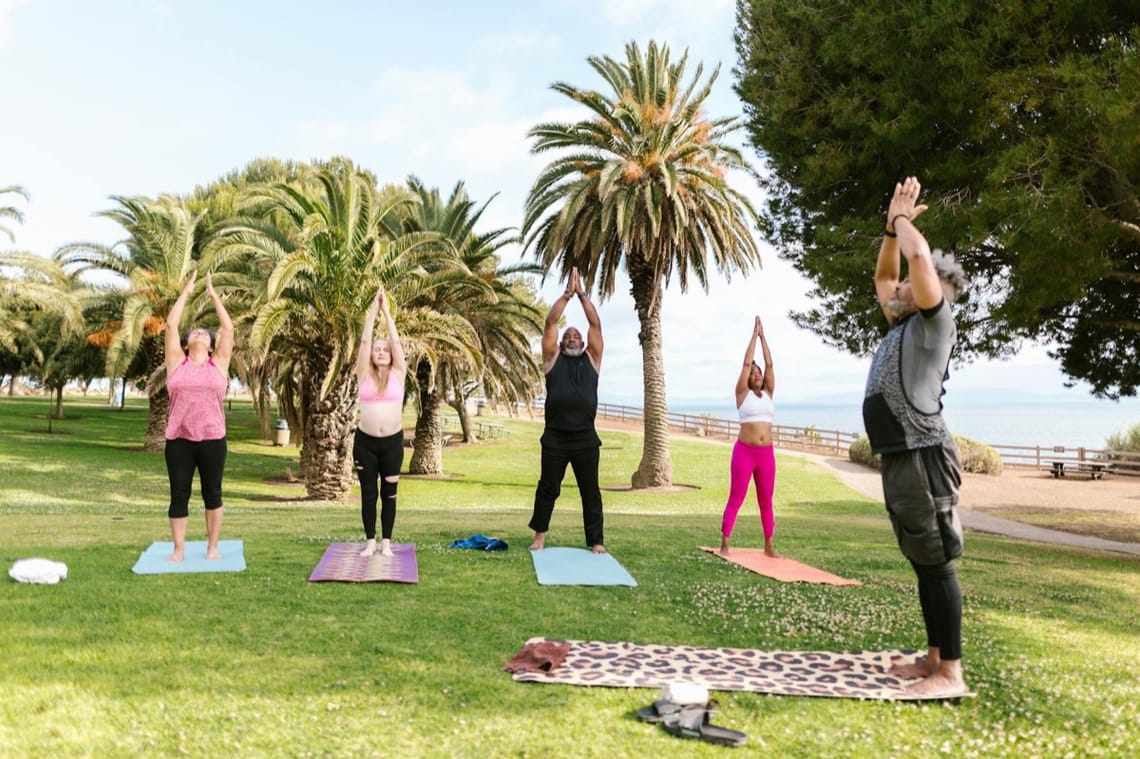
The class begins with Pranayama (breath work), specifically Kapalabhati and Ujjayi breathing done standing. This wakes up the nervous system and preps the body for heat. Then you move into standing poses that build heat and stability: Tadasana (Mountain Pose), followed by Utkatasana (Chair Pose), Uttanasana (Standing Forward Fold), and Tuladandasana (Balancing Stick). These poses raise your heart rate early and let your body acclimate to the temperature.
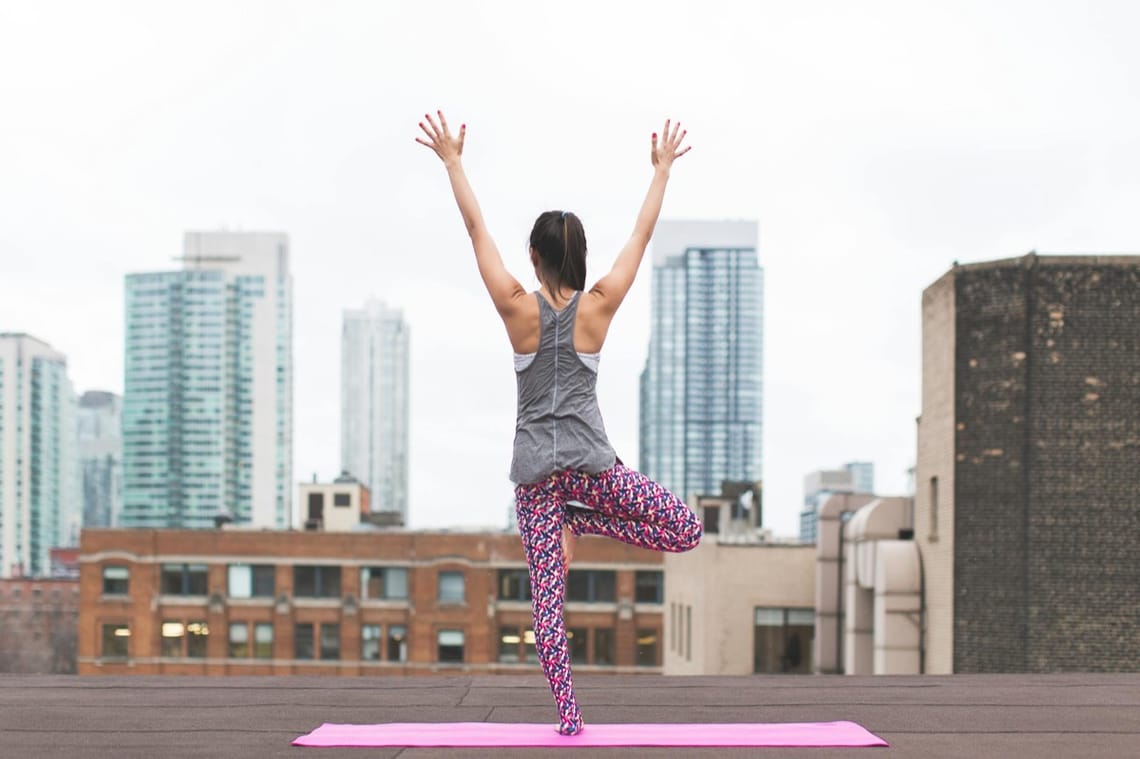
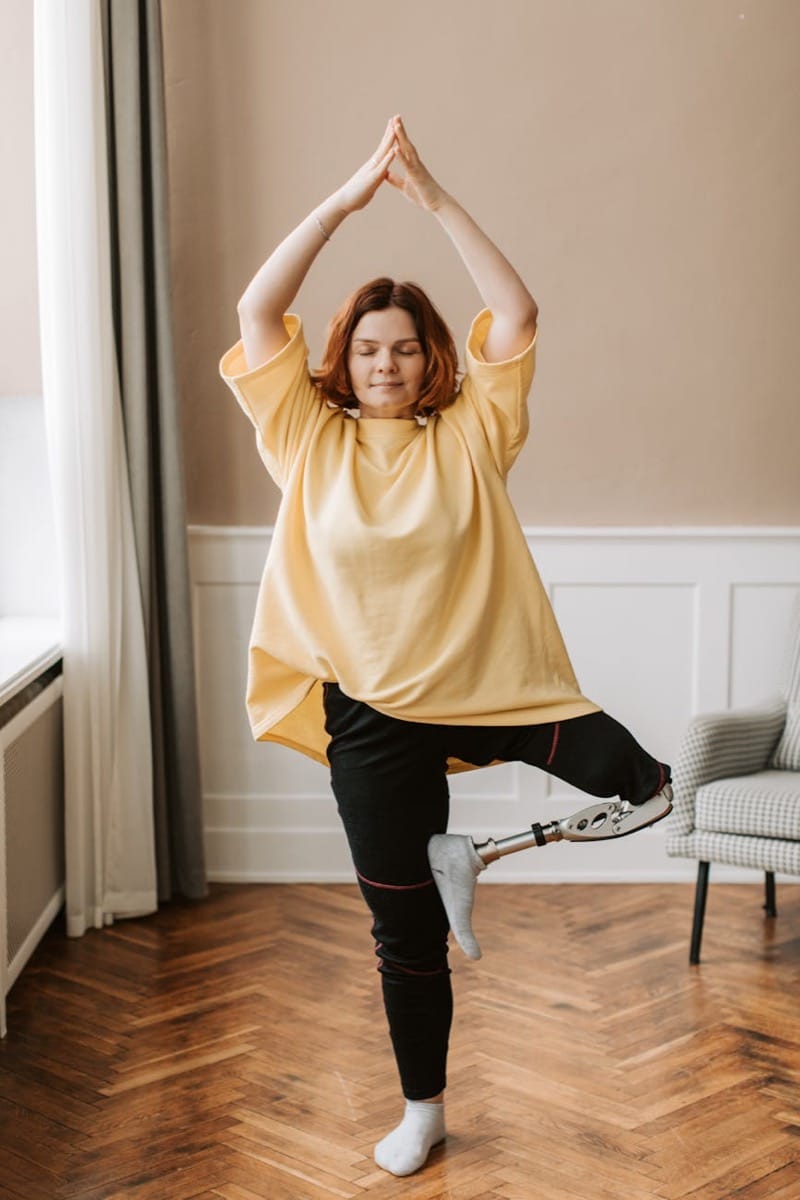
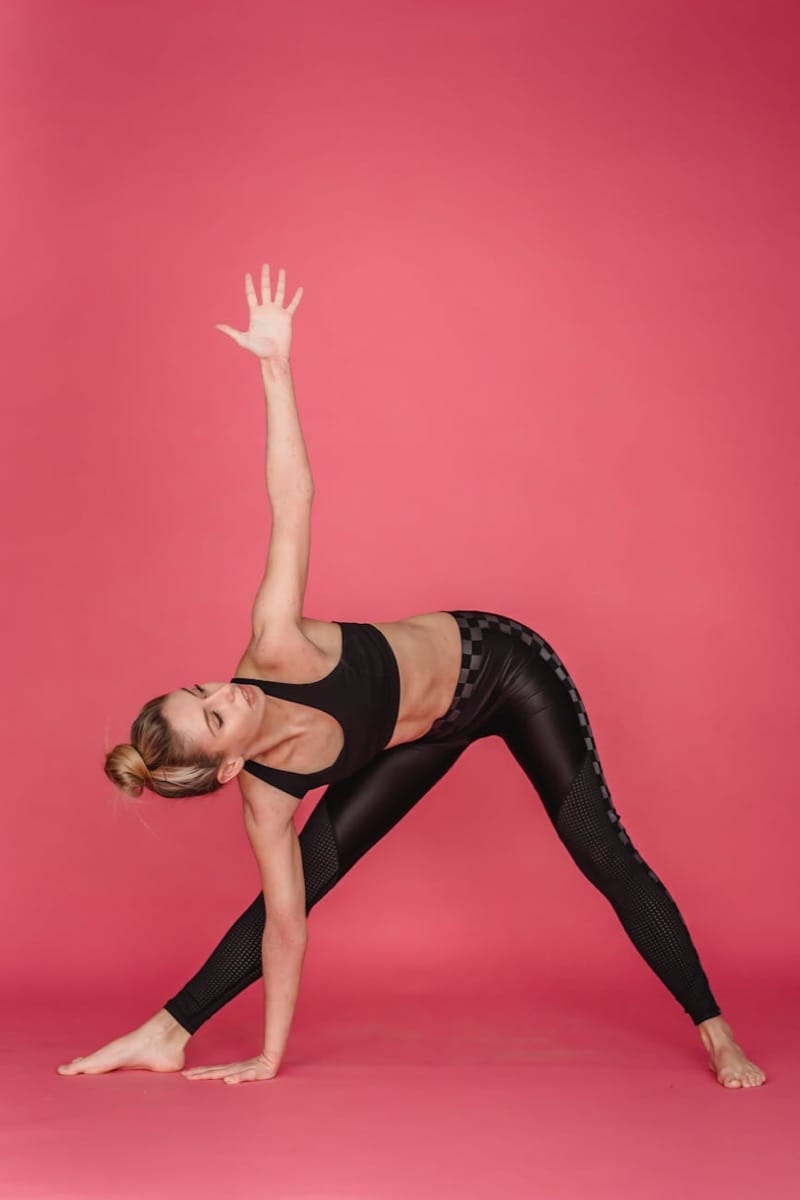
The standing series continues with Triangle Pose (Trikonasana), Standing Separate Leg Forward Fold (Prasarita Padottanasana), and Tree Pose (Vrksasana). By the time you reach Standing Bow Pulling Pose (Dhanurasana in standing form), your legs are warm, your breath is steady, and heat has penetrated deep into your joints. The standing poses are where runners often feel the most benefit—your hamstrings, quads, and IT bands get serious attention.
Balancing Series
Next comes the balancing series: Standing Separate Leg Head to Knee Pose (Janusirasana), Triangle Pose (from a different angle), Standing Leg Raise (Natarajasana), and Warrior Pose (Virabhadrasana). Balancing poses demand focus and proprioception. The heat and humidity challenge your stability in a useful way—you learn to root down, engage your core, and stay present. You'll wobble at first. Everyone does. That wobble is the work.
Floor Series: Backbends and Hip Openers
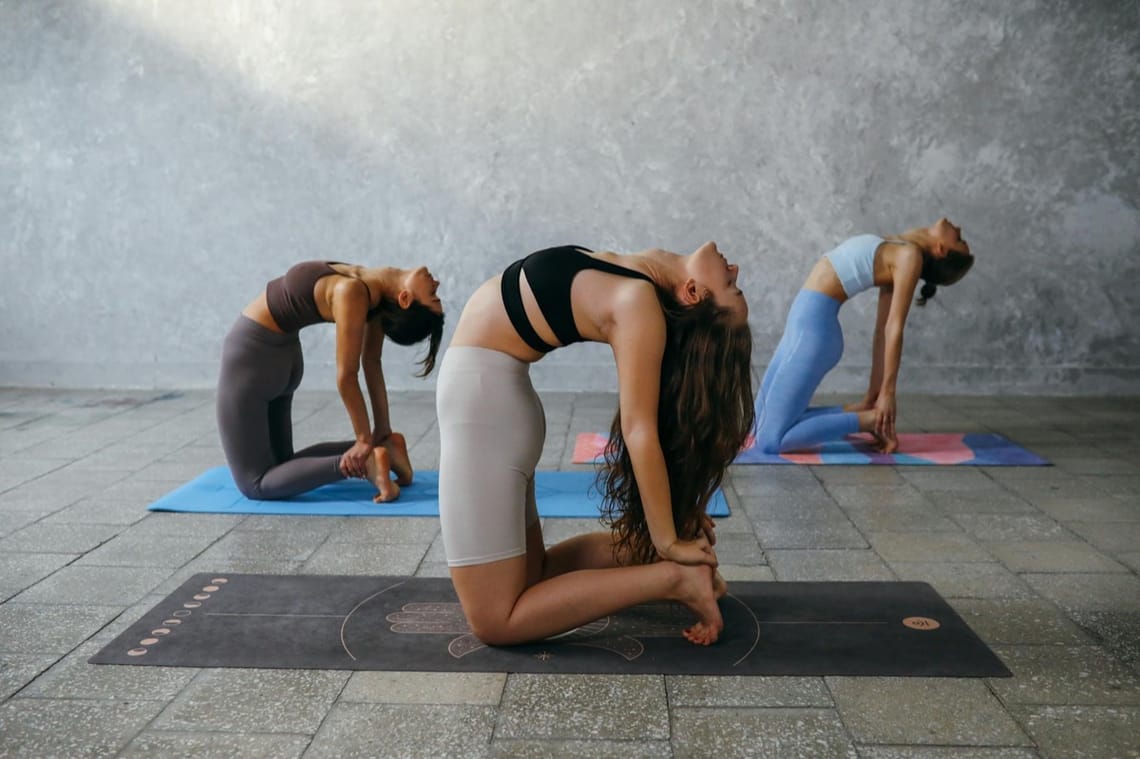
You sit down. Suddenly the room feels even hotter. The floor series includes Locust Pose (Salabhasana), Full Locust (Purna Salabhasana), Bow Pose (Dhanurasana), and Camel Pose (Ustrasana). These are deep backbends that open the front body, engage the posterior chain, and demand real vulnerability. Backbends calm the mind, strengthen the spine, and counteract the forward hunching most of us do daily.
The series then shifts to hip openers: Rabbit Pose (Sasangasana), where you hold your heels and fold forward; Child's Pose (Balasana) with intense hip emphasis; Spine Twist (Ardha Matsyendrasana); and Stretching Pose (Paschimottanasana). By this point, your hips have been heating for nearly an hour. The fascia is pliable. You'll often feel release and depth you don't experience in unheated practice.
Cool-Down and Savasana
The final poses are gentler: Corpse Pose variations (Savasana) and breathing work to bring your heart rate down. You rest in final Savasana for 5-10 minutes, letting your nervous system reset. This quiet ending is as important as the heat. Your body integrates the practice, and your mind settles. You'll likely feel the contrast sharply—the heat, then the coolness of air-conditioning, then stillness.
Why Bikram Works for Runners and People With Joint Pain
If you're a runner, you already know: your hips, hamstrings, and IT bands get tight. Cycling creates similar patterns. Desk work tightens shoulders and hips. Bikram addresses these areas directly. The heat lets you go deeper than you could in an unheated room. The repetition—doing the same series each time—means you're not learning new poses; you're deepening the ones that matter. You measure progress in small increments: this week your hands touch the floor in forward fold. Next week your palms do. That specificity appeals to athletes who track performance.
For people with joint pain, especially arthritis or post-injury stiffness, the heat and controlled pace offer real value. Your physical therapist may even recommend it. The heat reduces pain signals and increases synovial fluid in joints, which nourishes cartilage. The slow pace allows you to find your edge without pushing too hard. And because the series is identical each class, you know what's coming. No surprises. No sudden deep backbends you weren't prepared for.
What to Expect in Your First Bikram Class
Walk in early. The room will be noticeably hot—like stepping into warm skin. Your instinct might be to leave. Don't. Arrive 10 minutes ahead, find a spot near the back, and give yourself time to adjust. The teacher will lead you through breathing first, before movement. This helps your body acclimate.
Bring water and don't drink too much at once. Sip between poses. You will sweat. A lot. Wear minimal clothing—a sports bra and shorts for women, shorts or fitted pants for men. Bring a towel. Bring a second towel. Most studios provide them, but it's not guaranteed.
You may feel faint, nauseous, or overwhelmed around 30 minutes in. This is normal. Sit down. Child's pose is always available. Take a break. No judgment. The teacher expects students to rest. This isn't about pushing through pain—it's about respecting the heat and your body's signals.
By the final Savasana, most first-timers report feeling calm, clear, and lighter. You've moved your entire body, breathed deliberately, and sat still. That combination has real psychological weight. Plan to feel sore the next day. Your muscles aren't used to this kind of heat-assisted lengthening. It passes quickly.
Finding and Evaluating Bikram Studios
Real Bikram studios maintain the strict specifications: 105 degrees, 40% humidity, the exact 26-pose sequence, and certified teachers. Some studios still use the Bikram Yoga name; others have shifted to 'Hot 26' or 'Traditional Hot Yoga' due to trademark and reputational concerns around the founder. The practice itself remains the same.
Class costs typically range from 15-25 dollars per drop-in class, or 99-199 dollars per month for unlimited. Many studios offer introductory packages—three or five classes in a week—at reduced rates. This is smart. Bikram requires a learning curve. One class won't tell you much.
Look for studios with good reviews on cleanliness and teacher quality, not just heat levels. Ask if teachers have Bikram certifications (real Bikram training takes 9 weeks and covers anatomy, teaching methodology, and the exact sequence). Observe a class before joining. Watch how the teacher gives cues, whether students look comfortable, and whether there's a sense of community.
Safety Considerations and Who Should Avoid Bikram
Bikram is intense. If you're pregnant, have heart conditions, uncontrolled high blood pressure, or a history of heat intolerance, talk to your doctor first. The heat and pace can strain your cardiovascular system if you have underlying conditions. The same applies if you're taking medications that affect heat tolerance or blood pressure.
If you're new to yoga entirely, consider taking a few gentle or Hatha classes first. You don't need to be flexible for Bikram, but basic familiarity with poses helps. Yoga props—blocks, straps, blankets—aren't typically used in Bikram, so you'll be using your own strength and flexibility, not support.
Listen to your body, especially in the heat. You won't get called out for resting. You won't lose something by sitting down. Bikram studios are filled with people taking breaks. The practice is about showing up, not perfecting it.
Beyond the First Class: Building a Bikram Practice
Most practitioners find their rhythm after 10-15 classes. Your body stops fighting the heat and starts using it. You notice where you're tight. You feel improvements. Some people practice Bikram twice a week and feel great. Others do it three times a week. A few go daily. There's no 'right' frequency, though consistency matters more than intensity. One class a week builds flexibility. Three classes a week builds real strength and heat adaptation.
You might find that Bikram pairs well with other practices. Many runners add a single Bikram session to their weekly yoga to address specific tightness. Others use Bikram as their primary practice and add occasional Yin or Restorative classes to balance the intensity.
The philosophy underlying Bikram is rooted in the principle that heat accelerates healing and self-awareness. There's nothing mystical about it—just physiology and repetition. You show up. You move. You breathe. You rest. Week by week, your body changes. Your mind settles. That's the offer Bikram makes, and for many people, it's exactly what they need.
Subscribe to the newsletter
Subscribe to my newsletter to get the latest updates and news