
Aparigraha for Yoga Teachers With Too Many Trainings (Stop Certifying)
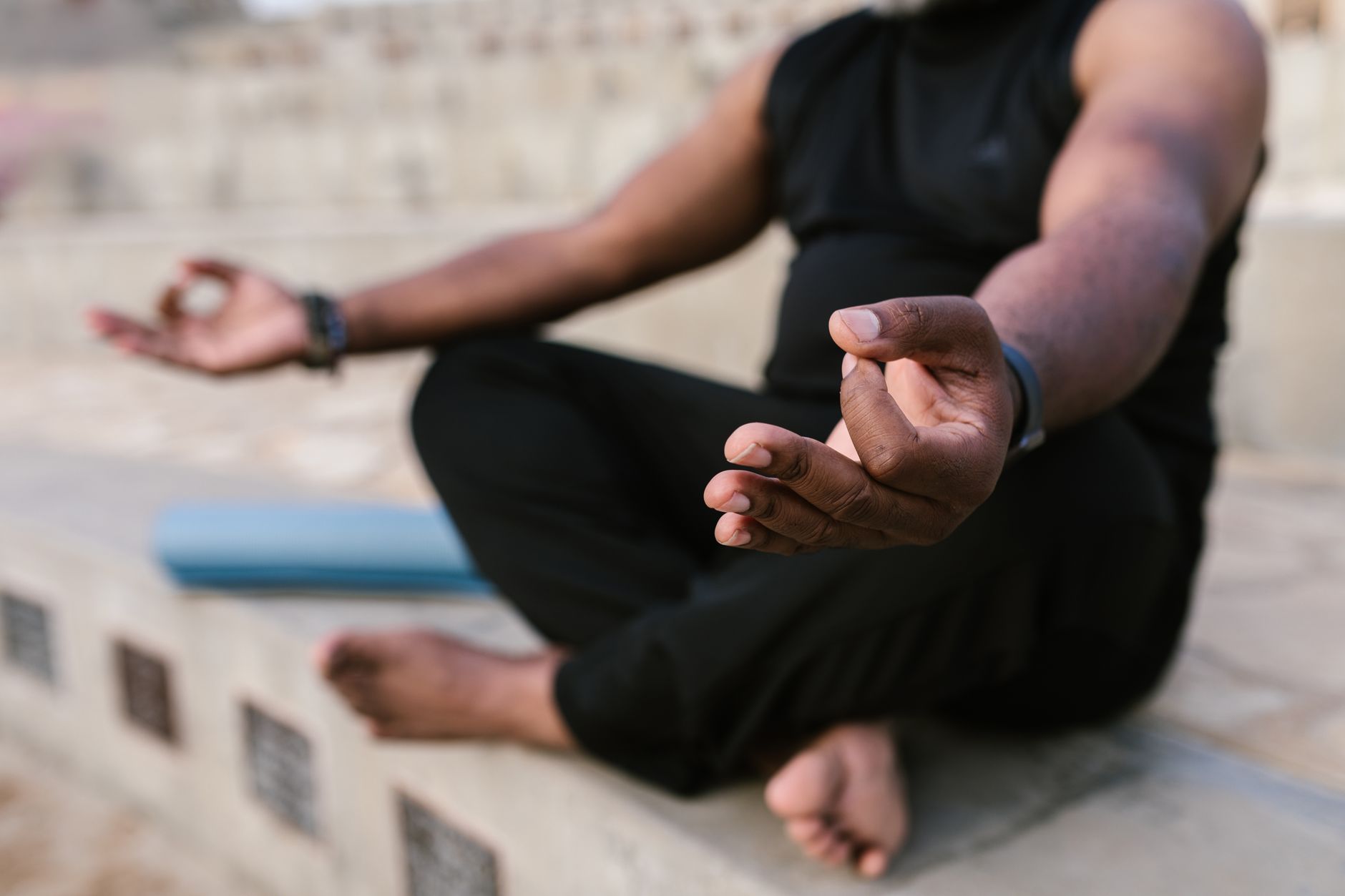
You have a 200-hour certificate. A 300-hour certificate. A prenatal certificate. A yin certificate. A trauma-sensitive certificate. A restorative certificate. You're eyeing an Ayurveda course and maybe a sound healing training. Your shelf has more binders than books. And somewhere underneath the accumulation is a quiet question you haven't quite let yourself sit with: am I doing this for my students, or for something else?
Aparigraha — the fifth yama, non-grasping or non-hoarding — has something direct to say to the yoga teacher with the certificate drawer.
What aparigraha actually means
Aparigraha is usually translated as non-possessiveness, non-grasping, or non-hoarding. The Yoga Sutras say: aparigraha sthairye janma kathamta sambodhah — when established in non-grasping, there arises knowledge of the why and wherefore of past and future births. Which is to say: stop accumulating, and you'll understand something about the shape of your own life.
Aparigraha targets the belief that more will create security. More money, more credentials, more options, more things. It identifies this belief as a fundamental misunderstanding — that security built on accumulation is always provisional, always requiring the next thing.
The yoga teacher certification economy
The yoga training market is large and growing. New certifications are created regularly, marketed to teachers who already have solid foundations and sold on the promise of expanded expertise, expanded income, or expanded identity. Some of these trainings are excellent. Some are not. Many are purchased not because a teacher has a clear clinical or pedagogical need, but because of something harder to name — anxiety about not knowing enough, fear of irrelevance, a sense that who they are without the credential isn't quite enough.
Aparigraha names that pattern. Not to shame it — the pattern makes complete sense in a professional culture that constantly signals more-is-better. But naming it is the beginning of choice.
Questions to sit with before the next training
Do I have a specific gap I'm filling? "I have students with chronic pain and I need better tools" is a clear answer. "I want to feel more confident" is worth investigating — because confidence usually comes from depth of practice, not breadth of certificates.
Am I using the training I already have? Most 300-hour content takes years to fully integrate. Most specialty modules contain more than can be absorbed in a weekend. What would happen if you spent the training fee on deepening your personal practice instead?
Who is this for? Honest answer. Is it for the students you serve — do they need you to have this training? Or is it for your bio, your Instagram, your sense of being in forward motion?
What aparigraha actually looks like for teachers
It looks like teaching well from what you already know. It looks like referring students to specialists rather than trying to hold every niche yourself. It looks like turning down the registration email three times before you decide you actually need the training. It looks like letting your teaching deepen through practice and experience rather than course completion.
It also looks like occasionally doing the training — when the need is real, when the gap is genuine, when the decision comes from abundance rather than anxiety. Aparigraha isn't anti-learning. It's anti-grasping. The distinction is the internal state from which you reach.
The security that comes from non-grasping
The Sutra's promise is worth noting: established in aparigraha, you understand the shape of your life. This is not mystical. It's practical. When you stop accumulating as a response to anxiety, you can actually see what you have, what you need, and where your teaching wants to go. The drawer of certificates can stop being a security blanket and start being an actual resource.
Frequently asked questions
How many certifications does a yoga teacher actually need?
A 200-hour is the baseline for teaching. A 300-hour deepens the foundation. Beyond that, it depends entirely on your teaching focus and student population. Specialty certifications are most useful when you have a clear clinical or pedagogical reason — not as general confidence-builders.
What's the difference between professional development and certification hoarding?
Professional development deepens what you already do. Certification hoarding adds breadth without integration. The check is integration: are you using what you learned in your last training before you pursue the next one?
Where can I find quality yoga teacher training programs?
Our YTT directory lists accredited programs across styles and specializations — useful for making an intentional choice rather than responding to whatever's in your inbox. The OYP blog also has resources on choosing a training thoughtfully.
Subscribe to the newsletter
Subscribe to my newsletter to get the latest updates and news