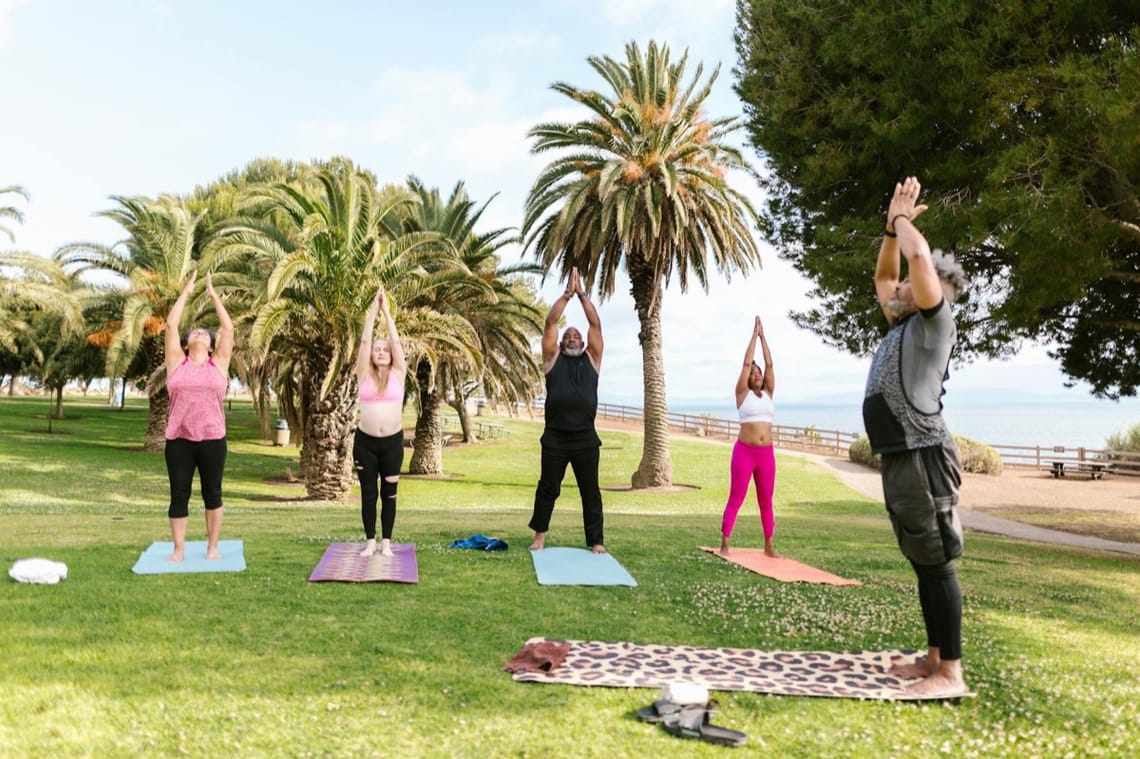
Is Yoga Good Exercise for a 50-Year-Old Man? Yes—Here's Why

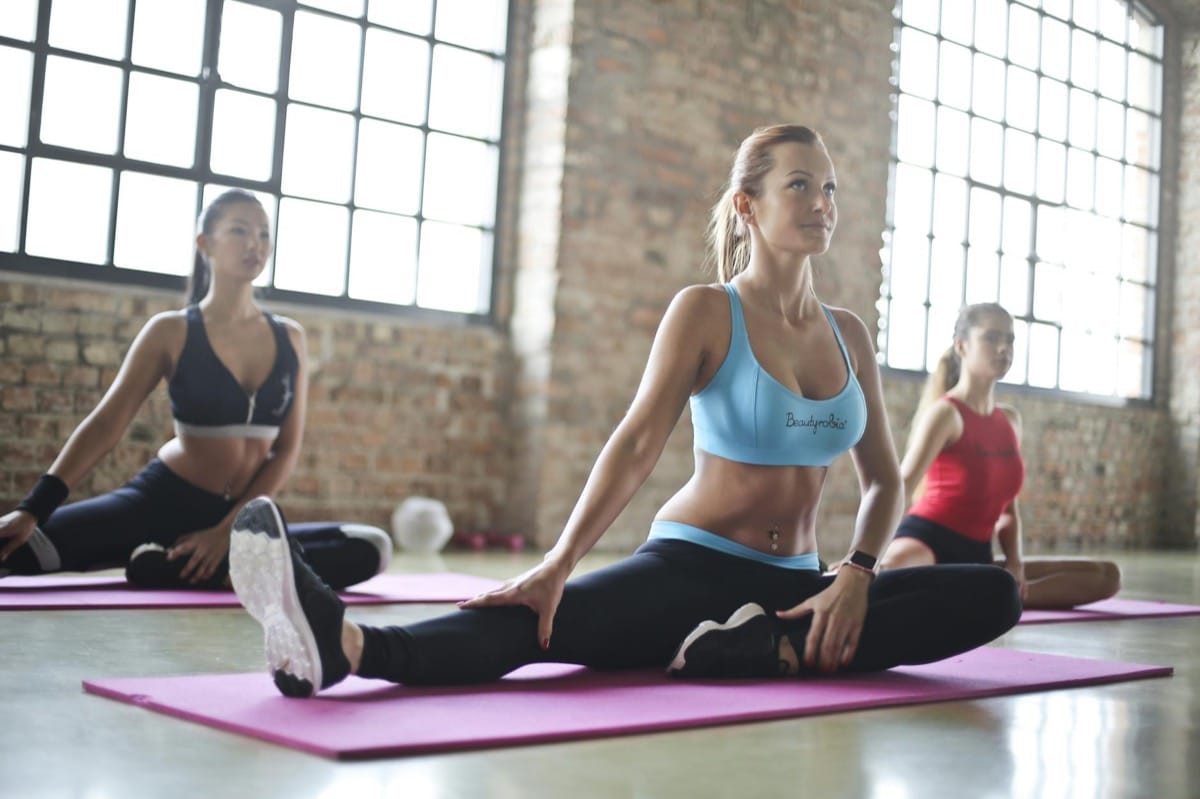
Yoga can transform fitness for men over 50—if you know which poses to prioritize and how to modify them. Here's what actually works.
You're 50 years old. Your knees aren't what they used to be. Your back tightens up after sitting at a desk. The idea of touching your toes sounds painful, not peaceful. So when someone suggests yoga, your first thought is probably: Can I even do this? Will it help, or will I just embarrass myself in a room full of people who can fold themselves in half?
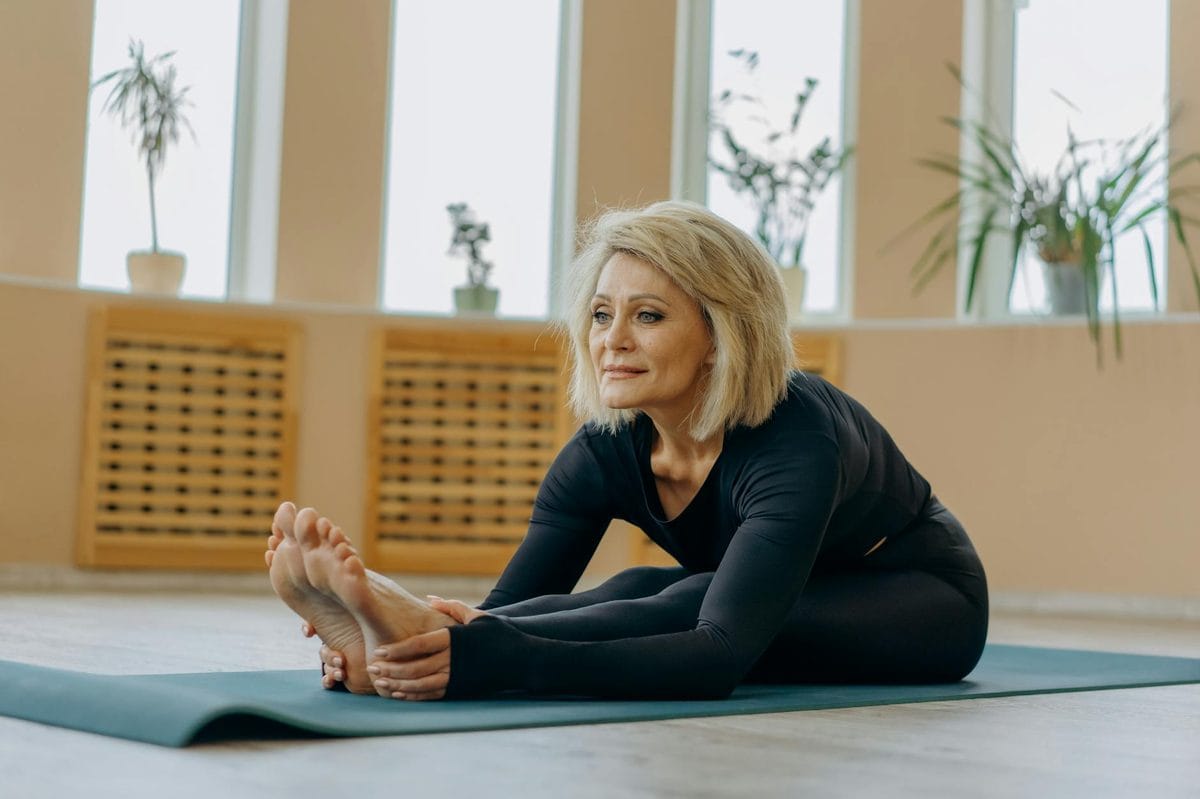
That's the right question to ask. And the honest answer is: yoga can be excellent for men in their 50s—but only if you know which poses to prioritize, how to modify them for your body, and where to find qualified instruction. Not all yoga classes are created equal, and a class designed for 25-year-olds will likely leave you frustrated or injured.
This article walks you through the real benefits of yoga for men over 50, what to watch out for, and how to build a sustainable practice that actually works with your body instead of against it.
Why Yoga Is Actually Safe for Men Over 50
The biggest misconception about yoga is that it's all deep backbends and splits. It isn't. Yoga is fundamentally about bringing awareness to the body and breath—it's as much mental as it is physical. For men over 50, this distinction matters.
Your body at 50 is different from your body at 30. Your connective tissues are less elastic. Your recovery time is longer. Your joints have accumulated years of movement patterns, some of which aren't helping you. Yoga, when taught properly, works with these realities instead of fighting them.
Research published in the International Journal of Yoga supports this. Studies show that men over 50 who practice yoga regularly experience improvements in flexibility, balance, and bone density without the joint impact of running or high-intensity interval training. The key is choosing poses and intensities that match where your body actually is.
The safety factor comes down to one principle: you control the depth of every pose. In yoga, you're not competing against anyone else or pushing to some arbitrary standard. If a full forward fold isn't accessible to you, you do a partial one. If a pose bothers your shoulder, you skip it. This autonomy is what makes yoga sustainable for aging bodies.
The Real Physical Benefits for Men Over 50
Flexibility and Mobility
By 50, most men have lost significant range of motion in their hips, shoulders, and spine. This isn't inevitable—it's the result of sitting, repetitive movement patterns, and not moving through your full available range. Yoga reverses this.
Poses like Pigeon Pose (Eka Pada Rajakapotasana prep), low lunges, and gentle twists gradually restore mobility in the hips and lower back. These aren't flashy poses, but they address what actually matters: the ability to bend down, reach overhead, and move without pain.
Core Strength and Stability
A strong core isn't about visible abs—it's about having stability through your trunk so your spine is protected during everyday movement. This becomes critical as you age.
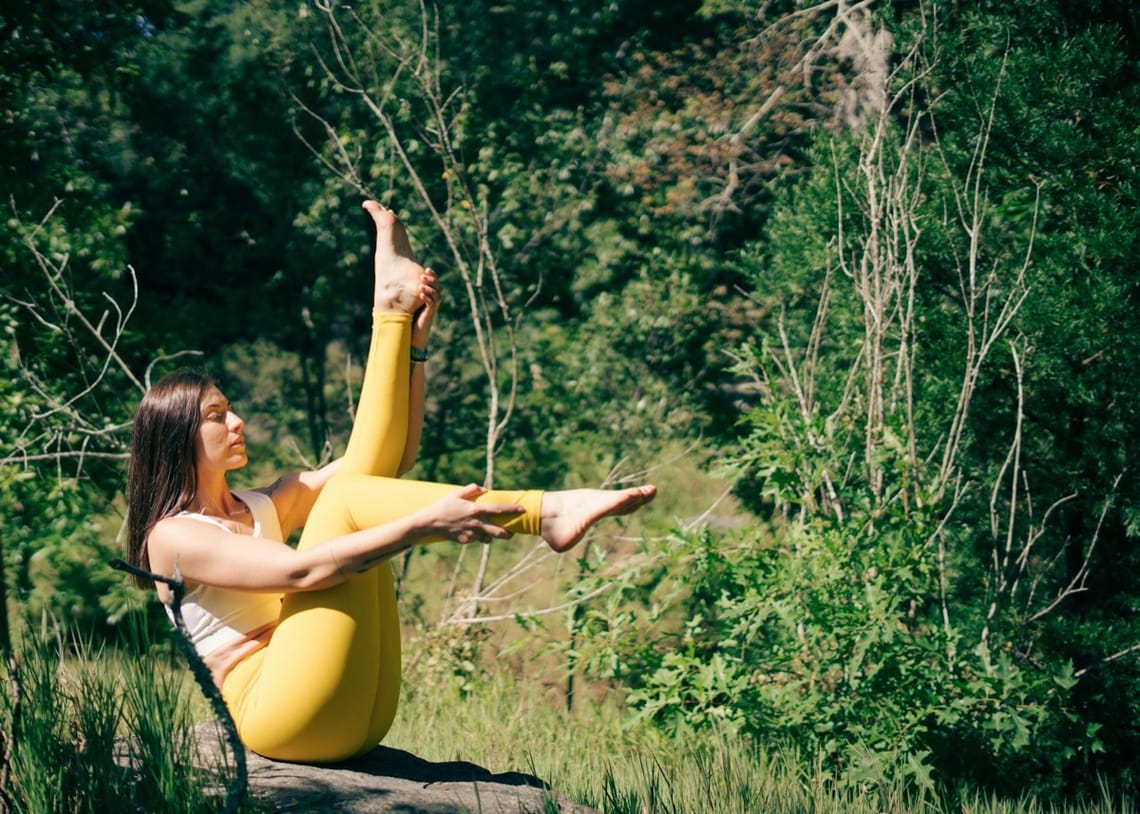
Yoga poses that engage the core—Plank, Boat Pose (Navasana), and bridge variations—build functional strength. Unlike crunches, these poses work your core while maintaining spinal alignment, which means you're building strength in a way your back can actually use.
Balance and Fall Prevention
Balance declines significantly after 50. Falls are one of the leading causes of injury in aging men. Yoga is remarkably effective at restoring balance because it trains your proprioception—your body's sense of where it is in space.
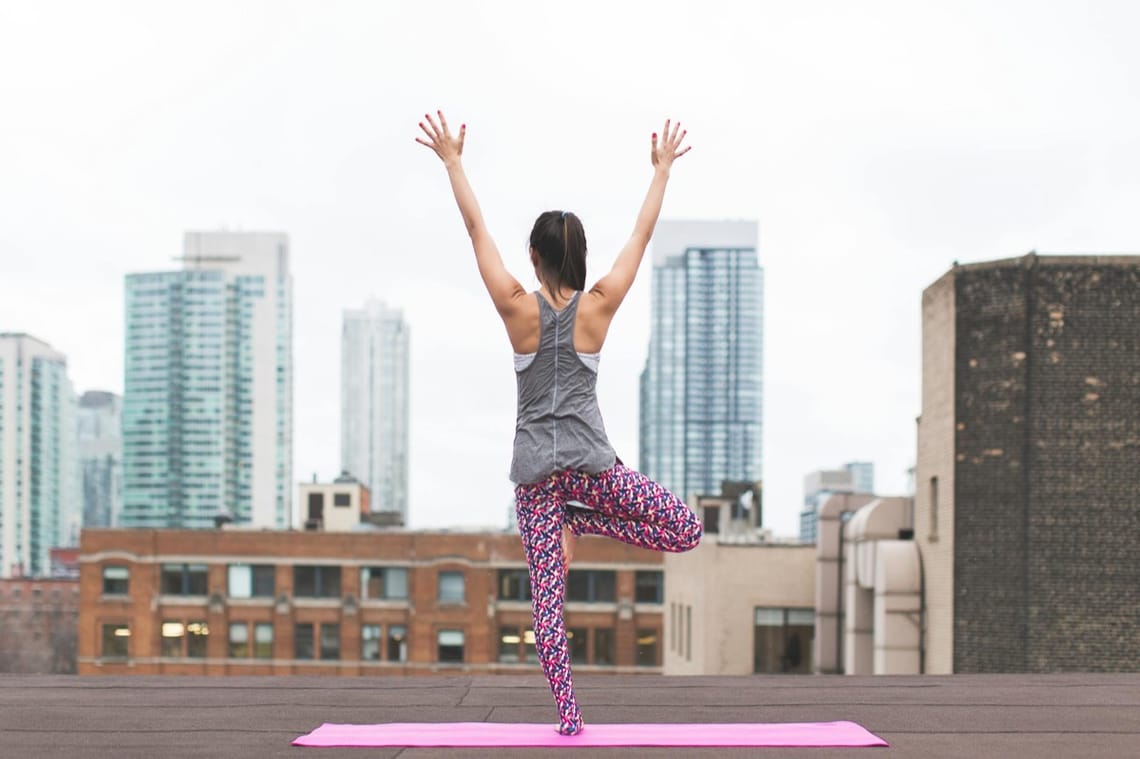
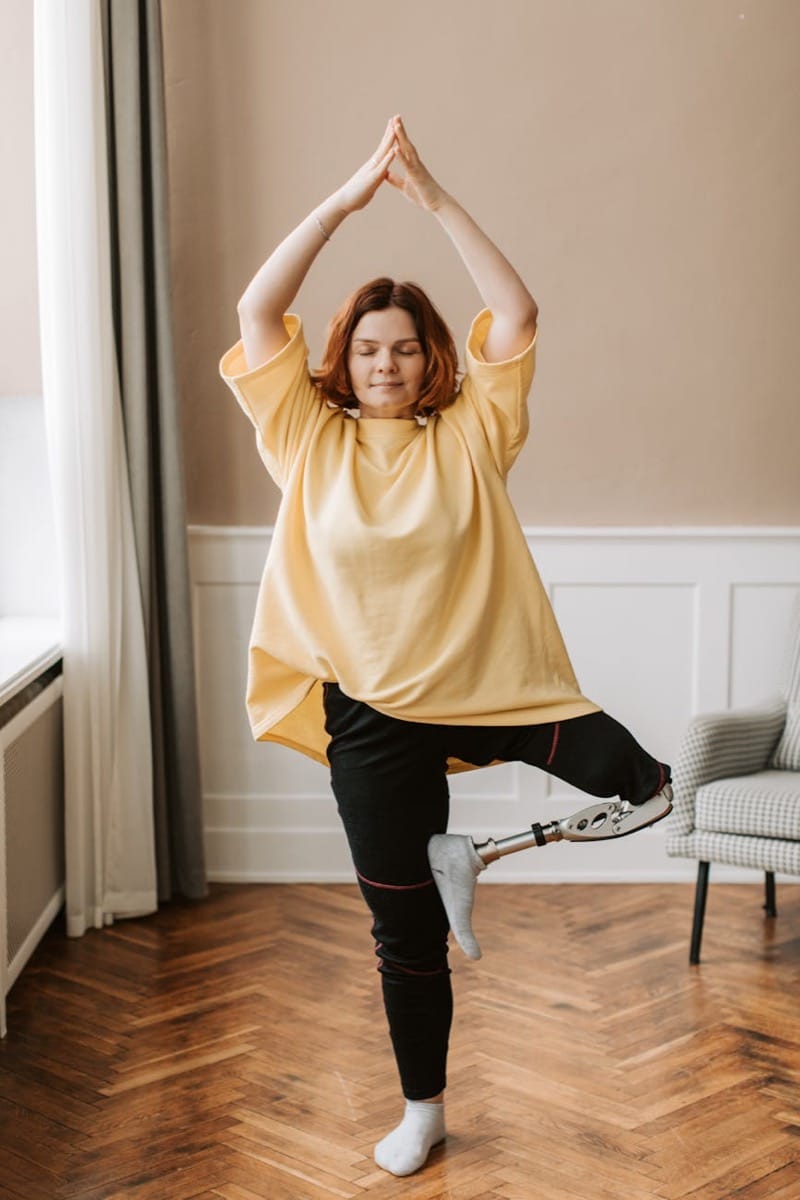
Single-leg poses like Tree Pose (Vrksasana) and Warrior III (Virabhadrasana III) build this capacity gradually and safely. Start with your hand on a wall or chair. As your proprioception improves, you'll need that support less.
Bone Density
Weight-bearing exercise stimulates bone cells to maintain density. Yoga poses that require you to support your body weight—particularly standing poses and mild inversions—provide this stimulus without the joint stress of running.
Breath and Nervous System
This is where yoga diverges from other exercise. The breath work (pranayama) and mindfulness components calm your nervous system. This reduces cortisol (a stress hormone), improves sleep quality, and can lower blood pressure. You won't get this from a treadmill.
What to Watch Out For
Yoga is safe, but certain poses deserve caution at 50+. You don't need to avoid them entirely—you need to approach them intelligently.
Deep Backbends
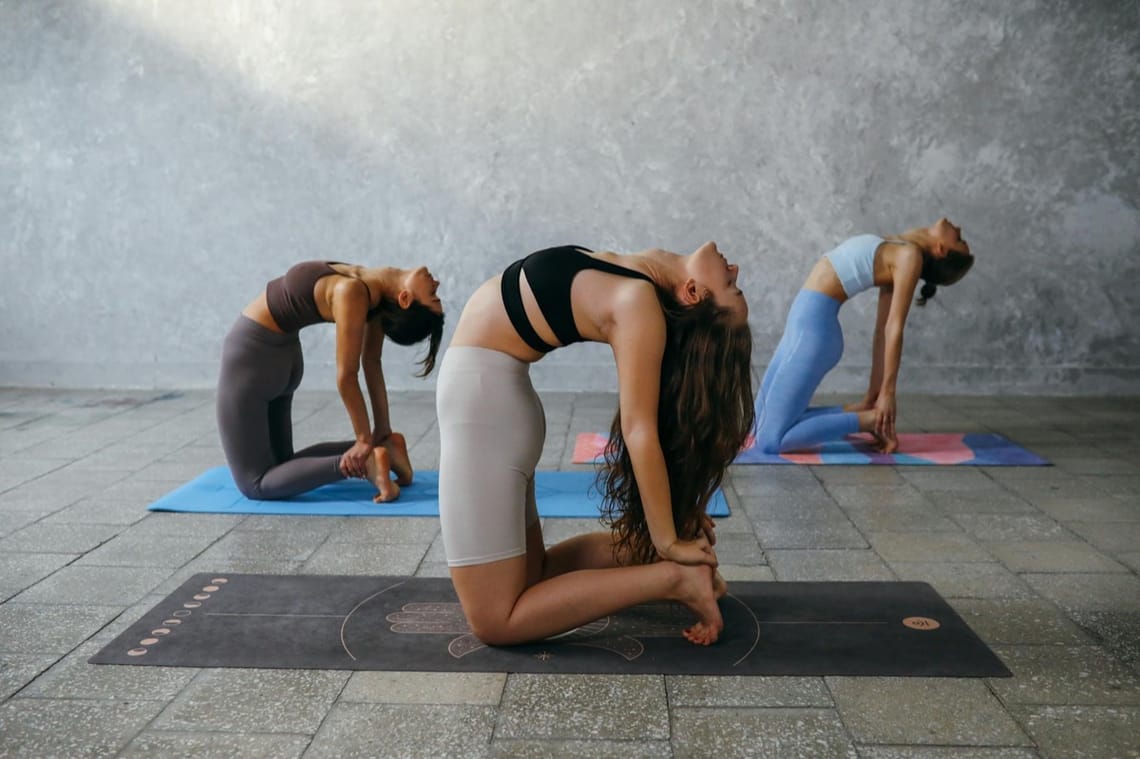
Full backbends like Wheel Pose (Urdhva Mukha Svanasana) can compress the lower spine if your back muscles are tight or your core isn't strong enough to protect your spine. Save deep backbends for later in your practice, when your body is warm and your core is engaged. Better yet, work with supported backbends first—blocks, bolsters, and props exist for a reason.
Heavy Twists
If you have a history of back pain or disc issues, aggressive twists can irritate the discs. Instead, focus on gentle twists where your core is engaged and your spine is long. Deep twists can come later, once your body is ready.
Neck-Intensive Poses
Poses like Shoulder Stand (Sarvangasana) put pressure on the cervical spine. If you have any neck issues, skip these entirely. Supported shoulder stand variations exist, but they require precise alignment.
Going Too Deep Too Fast
This is the biggest risk. Yoga should feel like a gentle challenge, not a stretch that burns or sends sharp pain. If you're trying to match the flexibility of the 30-year-old next to you, you'll get injured. Move slowly. Stay in your edge—the place where you feel tension but not pain.
How to Start: A Practical Approach
Find the Right Class
Look for classes specifically labeled 'Gentle Yoga,' 'Yoga for Beginners,' or 'Yoga for Active Aging.' Hatha yoga is a solid choice—it moves slowly with longer holds, giving your nervous system time to adapt. Avoid Vinyasa flow or Power Yoga initially; these move faster and demand more strength.
If possible, try one class in person first. This lets the instructor see how your body moves and offer personalized modifications. Many studios offer intro packages (typically $30–60 for three classes).
Online Options
Platforms like YogaGlo, Alo Moves, and YouTube have dedicated channels for older adults and beginners. Adriene Mishler's YouTube channel (free) has popular videos for 50+ men. Subscriptions typically run $10–15 per month. The advantage of online is that you can pause and rewind—your instructor can wait while you catch your breath.
Start Small
Two or three 30-minute sessions per week is enough to see benefits. You don't need to do 90-minute classes. Consistency beats intensity.
Invest in Props
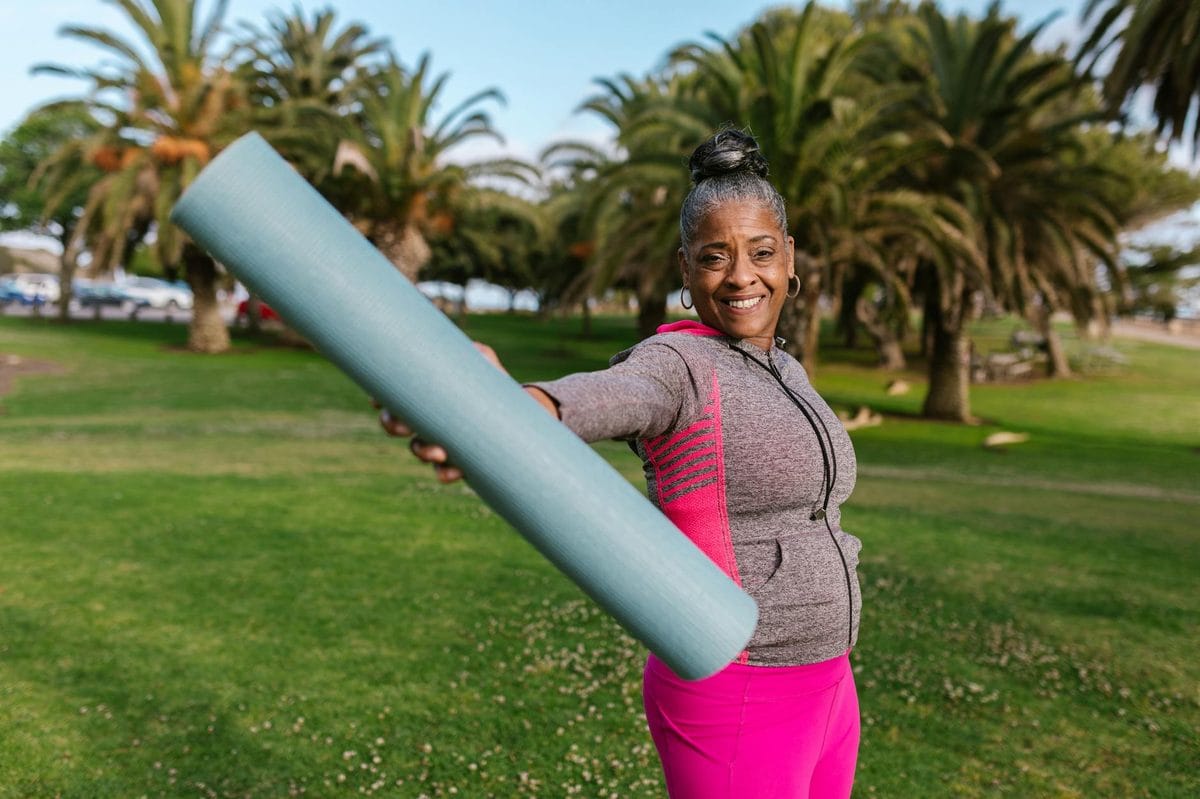
A yoga mat, yoga blocks (two), and a strap cost about $40–80 total. These aren't luxuries—they're tools that let you access poses safely without forcing your body. A block under your hand in a forward fold is not cheating; it's smart training.
What to Expect in Your First Month
Week 1: Your muscles will feel sore (similar to any new exercise). You'll notice your breathing is shallow. This is normal.
Week 2–3: Soreness fades. You'll start noticing you can bend a little further or hold poses with less shaking. Your sleep might improve.
Week 4+: You'll feel calmer overall. Your back will feel better. You might notice you're standing taller. These changes are real and measurable—not placebo.
The Philosophy Piece: Why This Matters Beyond the Physical
Yoga has roots in ancient Indian philosophy, particularly in texts like the Yoga Sutras of Patanjali. The physical poses (asanas) are only one of eight limbs of yoga. At 50, understanding this context helps you get more from your practice.
The Yamas (ethical principles) and Niyamas (personal disciplines) include concepts like Ahimsa (non-harming, including to yourself) and Tapas (disciplined effort). Applied to your practice, this means: don't harm your body trying to look like someone else, and build consistent effort without forcing. This reframes exercise from punishment or competition into something sustainable.
For many men over 50, this shift in mindset is as valuable as the physical benefits. You're not trying to be the strongest or most flexible—you're paying attention to your body and building resilience over time.
Is It Worth It? The Bottom Line
Yes. Yoga is genuinely worth your time at 50 if you approach it with realistic expectations. It improves flexibility, balance, core strength, and bone density—all things that matter as you age. It's low-impact, which means you can do it long-term without destroying your joints. And the mental and nervous system benefits (better sleep, lower stress) are significant.
The catch: you need to find instruction suited to your age and body, you need to respect where you actually are physically (not where you wish you were), and you need to commit to consistency. Three times a week, 30 minutes, for at least a month. That's the minimum to feel real results.
Yoga isn't a cure-all, and it's not a replacement for medical care if you have serious injuries or conditions. But for a 50-year-old man looking for sustainable, joint-friendly exercise that also improves his nervous system and mobility? It's one of the best options available.
Go Deeper
Compare real programs in the OYP YTT Database:
Related Reading
Subscribe to the newsletter
Subscribe to my newsletter to get the latest updates and news