Online Yoga for Beginners: The Complete Checklist Before Your First Class

online yoga for beginners

New to online yoga? Here's everything you need—from mat and space to hydration and mindset—before clicking into your first class.

You've decided to start yoga at home. Maybe a studio feels intimidating, or your schedule doesn't fit class times, or you simply prefer practicing in your own space. Online yoga is accessible and real—but it's different from walking into a studio where the teacher adjusts you and the room is already set up. Without that structure, you need to create it yourself. This checklist covers the physical essentials and the less obvious preparations that turn a random video into an actual practice.

Physical Space: The Foundation

How much space do you really need?

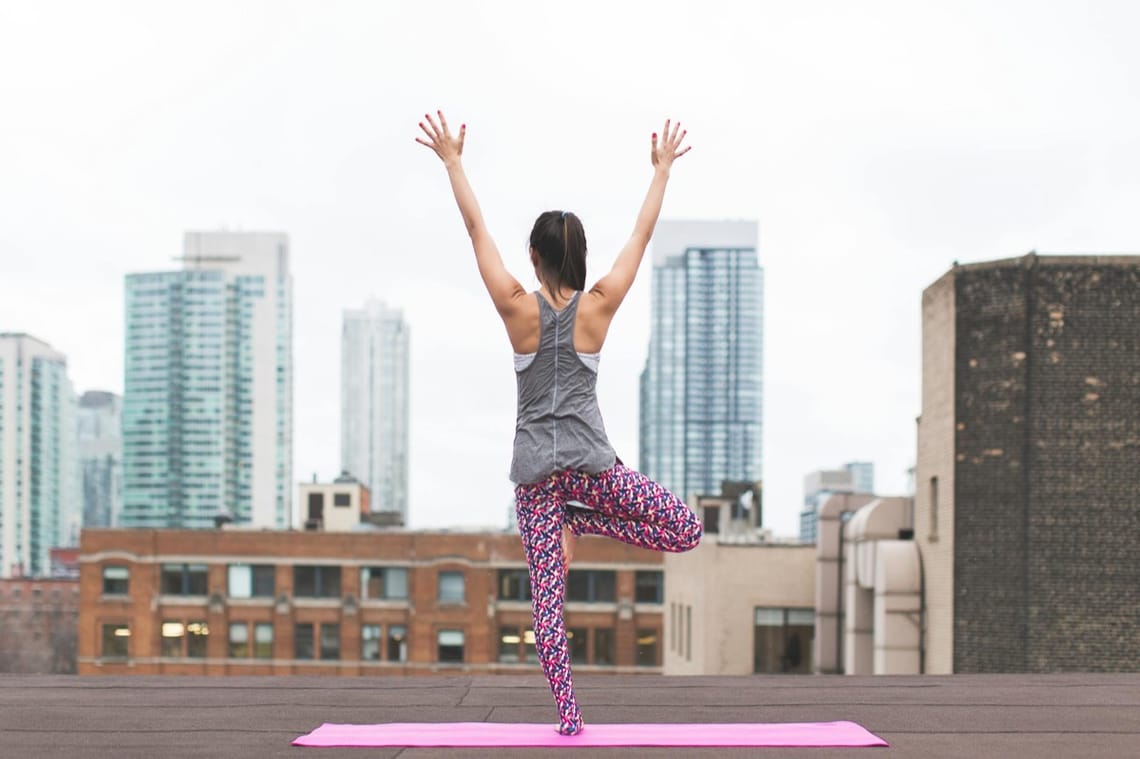
You need at least 6 feet by 3 feet—roughly the size of a yoga mat with a little room on each side. This is non-negotiable for standing poses like Warrior I or Triangle. If your space is tighter, you can still practice, but you'll be limited to seated and gentle flows. Clear the area of furniture, cords, and anything you could trip on or knock into during downward dog. Move your coffee table. Move it again. Your shins will thank you.

Lighting and air

Natural light is ideal but not essential. What matters is that you can see your own body clearly enough to check your alignment. If your space is dark, add a lamp—even a soft one. Avoid practicing directly under overhead fixtures that strain your eyes when you look up. Crack a window or use a fan if the room gets warm. A stuffy room will make you tired and distracted within ten minutes.

Screen placement

Position your device at eye level or slightly below when you're standing. A phone on the floor forces your neck down awkwardly; a laptop on a coffee table or low stand works better. You want to see the teacher's full body without craning your neck. If you're using a tablet, a stand costs $15–25 and saves your neck from strain. Some teachers mirror their image on-screen, others don't—you may need to reverse your movements mentally.

Essential Equipment

Yoga mat

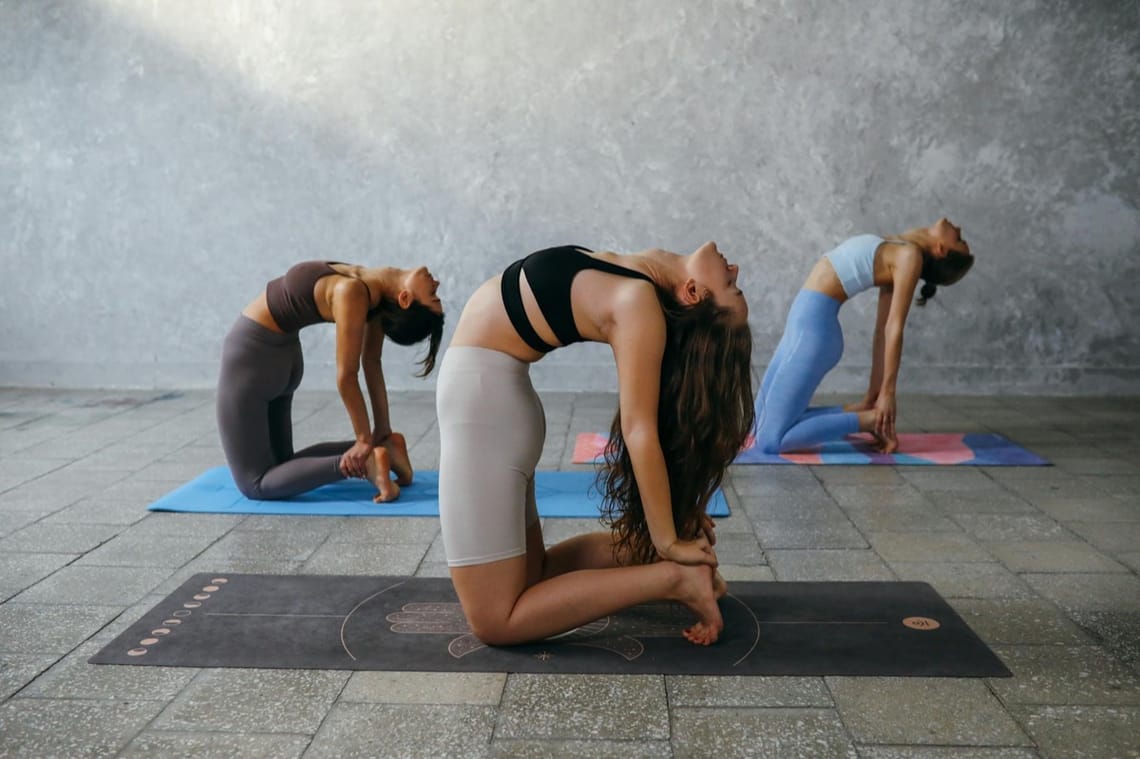
This is the one piece of gear that's genuinely necessary. A mat provides cushioning for your joints and traction so you don't slip in downward dog. Entry-level mats cost $20–40 and work fine for beginners. Brands like Gaiam, Liforme, and Manduka offer mats at different price points. A 68-inch length is standard. Thickness matters: 4–6mm is typical. Thicker (8mm) is cushier but less stable; thinner (3mm) is more portable but offers less joint protection. If you have wrist or shoulder issues, go thicker. If you're doing a lot of balancing poses, go thinner for stability. You don't need an expensive mat to start—a basic rubber or PVC mat serves you perfectly well for the first six months.

Props (blocks, strap, blanket)

Props are not optional add-ons—they're alignment teachers. Yoga blocks (usually foam or wood, $10–25 per pair) bring the ground closer to you in forward folds and help you feel proper alignment in standing poses. A yoga strap ($10–20) lets you extend your reach in hamstring stretches and shoulder openers. A blanket or cushion supports your knees in child's pose and your hips in seated poses. Many beginner teachers will tell you what props you need for each class. Don't skip them to look more advanced—using props is more advanced. It means you're paying attention to alignment instead of forcing yourself into shapes.

What you might skip

You do not need: a fancy workout outfit, a humidifier, yoga towels, meditation cushions, or an expensive camera setup. Wear clothes that move with you. That's it. Lululemon is not a requirement.

Before You Press Play

Hydration and timing

Drink water before class, not during. A full glass right before you start is enough. Practicing on a completely empty stomach is ideal, but not essential for gentle yoga. If you eat, wait 1–2 hours before practicing. Digestion and inversions don't mix. Practice when you're naturally alert—morning classes suit some people, evening suits others. Consistency matters more than timing. If 7 PM is when you'll actually do it, that's better than promising yourself 6 AM.

Clothing and feet

Wear comfortable clothes that don't bunch up or restrict your movement. Leggings or joggers, a t-shirt or tank, whatever lets you bend and move without thinking about your clothes. Go barefoot. Socks are slippery and prevent you from grounding through your feet. Barefoot is how yoga works.

Mental preparation

Turn off notifications. Tell people in your house you're practicing for 20 or 45 minutes. Close browser tabs. This is not a background activity. Yoga requires presence—your mind needs to stay with your body, not bounce between your email and the shopping list. Even five minutes of genuine attention is better than a distracted hour.

Choosing Your First Class

Platform and teacher fit

Popular platforms for beginners include YouTube (free, overwhelming choice), Yoga with Adriene (free, clear cueing), Down Dog (app, $10–50/year, customizable), and Yoga Alliance-listed teachers on Alo Moves or Yoga International ($10–20/month). The best class is one you'll actually take. Some people learn better from energetic, chatty teachers. Others prefer calm, minimal instruction. Watch a few different teachers and see who clicks. Don't assume the most popular is the best for you.

Class length and style

Start with 20–30 minute classes. This is long enough to establish a basic flow but short enough that you won't feel exhausted or overwhelmed. Gentle yoga or beginner vinyasa are appropriate starting points. Avoid power yoga, yin yoga longer than 45 minutes, and advanced alignment classes until you've built basic body awareness. You don't know your limits yet, so start conservative.

The First-Class Reality Check

Your first class will be awkward. You'll forget which foot goes forward. The teacher's left is your right and it's confusing. You'll wonder if you're doing it right. You might feel stiff or sore the next day. This is completely normal. Yoga is a skill, not an overnight transformation. You're building body awareness—learning to feel your feet on the ground, your breath in your belly, the difference between pushing and stretching. These take time.

The only thing you need to get right is showing up. Everything else is details.

Your Beginner Checklist

Space: Clear area, 6x3 feet minimum. Screen at eye level. Neutral lighting. Window cracked for air.

Equipment: Yoga mat ($20–40). Blocks ($10–25). Strap ($10–20). Blanket (use what you have).

Personal: Water nearby. Bare feet. Comfortable clothes. Phone on silent.

Class: Beginner-level. 20–30 minutes. Teacher whose voice you can listen to for that long.

Mindset: Curiosity. Patience. No judgment of how your body looks or what you can't do yet.

Once you have these, you're ready. Hit play. The practice begins with where you are, not where you think you should be.

Go Deeper

Compare real programs in the OYP YTT Database:

starting yoga at home

beginner online yoga programs

find inspiring yoga teachers

begin your online journey

Subscribe to the newsletter

Subscribe to my newsletter to get the latest updates and news