Best In-Person Yoga Teacher Trainings: Real Accreditation, Costs, and How to Choose

in-Person Yoga Teacher

In-person yoga teacher training offers direct feedback and accountability that online programs can't match. Here's how to evaluate accreditation, costs, and programs.

You've been practicing yoga long enough to know this isn't casual. You're considering training to teach—and you sense that an in-person program matters more than clicking through modules at home. You're right. In-person trainings offer direct feedback on your adjustments, real bodies in the room to learn from, and the kind of accountability that shapes actual teachers, not just certification holders. But choosing well means understanding what you're looking at: accreditation standards, realistic costs, the difference between a weekend intensive and a year-long immersion, and whether a particular program aligns with how you actually want to teach.

Person Yoga Teacher Trainings Accreditation Costs

Understanding Yoga Alliance Standards and RYT Certification

The Yoga Alliance is the largest nonprofit organization setting standards for yoga teacher training in North America. When you see RYT-200 or RYT-500, those initials mean the teacher completed a Yoga Alliance-registered program. This matters—not because it's a law, but because it signals rigor.

RYT-200 requires a minimum of 200 contact hours across four core areas: asana (at least 50 hours), pranayama and meditation (at least 10 hours), yoga philosophy and lifestyle (at least 30 hours), and teaching methodology (at least 10 hours). The remaining hours distribute across anatomy, physiology, and electives. You'll also do a practicum—actual teaching under supervision.

RYT-500 builds on 200-hour training, adding another 300 hours. Most people pursue this after a year or two of teaching and want deeper knowledge in one area: advanced asana sequencing, therapeutic yoga, yoga for specific populations, or traditional philosophy texts like the Yoga Sutras and Bhagavad Gita.

Not all yoga teacher trainings are Yoga Alliance-registered. Some excellent, legitimate programs choose not to register. But if you plan to teach at studios, studios will ask if you're RYT-registered. Many insurance policies also require it. Verify accreditation on the Yoga Alliance website before enrolling.

In-Person vs. Hybrid vs. Online: What You Actually Get

The differences matter in ways that feel obvious until you're searching for programs and everything claims to be equally legitimate.

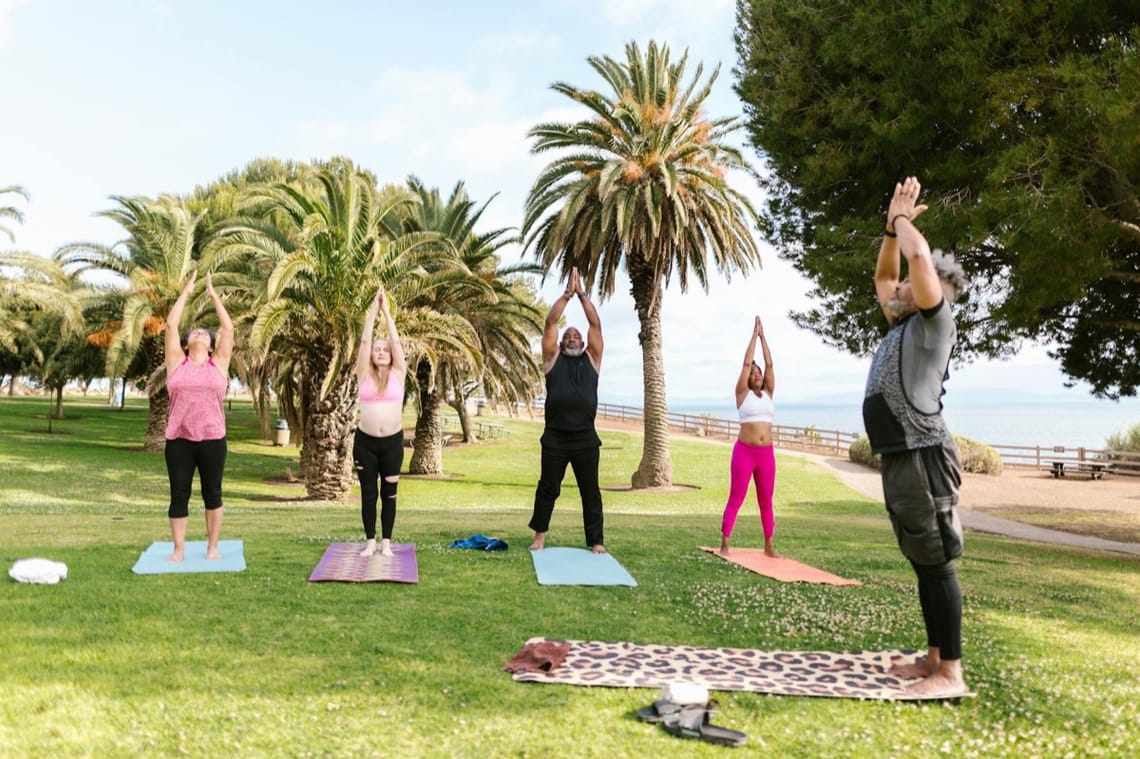
In-person trainings, sometimes called "full residential" or "immersion programs," are where you show up to the same studio or retreat center with the same cohort, usually for several weeks or months. Your teachers watch you teach practice sequences, adjust your alignments in real time, and observe how you respond to a student who's confused or injured. You can't fake this. There's also what the Yoga Sutras call satsang—the company of truth-seekers. Your peers become mirrors and teachers too.

Hybrid programs mix in-person modules (usually 2-4 intensive weeks) with online coursework and practice teaching between modules. These tend to cost less than full in-person, run longer (6-12 months), and suit people who can't leave their jobs or families for months. You get mentorship but not the daily immersion.

Online-only trainings are fully remote. You attend live or recorded classes, submit video of your teaching, and interact with instructors via video calls. These are accessible and affordable, but you don't get hands-on adjustment or the energy of in-person community. Yoga Alliance now recognizes online trainings as legitimate—but if you value the tactile feedback of in-person learning, this won't meet that need.

Key Factors to Evaluate in Any Program

Teacher Credentials and Lineage

Ask where your teachers trained. Did they train 500 hours? 1000? How long have they taught? What tradition or lineage do they come from? This matters because teaching style, philosophy emphasis, and even how teachers approach anatomy varies widely. A Vinyasa Flow teacher trained in power yoga will teach differently than someone trained in Iyengar yoga. Neither is wrong—but knowing the lineage helps you know what you're signing up for.

Curriculum Structure and Depth

Read the syllabus carefully. Does anatomy get serious treatment, or is it surface-level? How many hours do they dedicate to teaching students with injuries, modifications, and contraindications? Do they teach actual yoga philosophy—the Yoga Sutras, the ethical foundation in the Yamas and Niyamas—or just wellness language around "inner peace"? Strong programs treat these not as add-ons but as essential pillars.

Class Size and Student-Teacher Ratio

In-person trainings with cohorts under 20 students allow more feedback on your teaching. Some premium programs cap at 12 students per teacher. Larger cohorts (40+) are cheaper but mean less individualized attention. If hands-on correction and mentorship matter to you, this is a real factor.

Location, Schedule, and Time Commitment

A full residential program is 3-6 months, full-time, at a single location. This suits people who can step away completely. Hybrid formats run evenings and weekends for 6-12 months, better for working teachers. Weekend intensives spread 200 hours over 6-9 months but demand commitment every weekend. Be realistic about your life.

Person Yoga Teacher Trainings Accreditation Costs

Real In-Person Programs Worth Considering

Yoga Alliance-Registered Programs

Kripalu Institute in Lenox, Massachusetts, is one of the oldest and most established residential trainings. Their 200-hour intensive runs 6 weeks and costs around $4,000-$4,500. They emphasize integrated yoga philosophy, working with Kripalu's lineage approach. Class sizes are 25-30 students.

The Iyengar Institute in San Francisco offers their full 200-hour training through quarterly intensives and weekend sessions. Cost runs $3,500-$4,000. They're intensive on alignment and anatomy because Iyengar yoga itself is precision-focused. Teachers are highly trained; many are Senior Iyengar Teachers with 500+ hours.

Yoga Journal's Living Yoga program partners with multiple studios nationwide for hybrid trainings. Expect $2,500-$3,500 for 200 hours spread over 6-9 months with one intensive week. Good for people building training around existing jobs.

YogaWorks in Los Angeles and multiple coastal studios offers studio-based 200-hour trainings, usually 6-9 months part-time. Cost is $3,000-$4,200. Strong on vinyasa fundamentals and real teaching experience in busy studios.

Yoga Teacher Academy in Denver specializes in smaller cohorts (under 15 students) and hybrid formats that balance weekends with weeknight classes. 200-hour programs run $2,800-$3,600 over 8-10 months.

Retreat-Based Intensive Programs

Sivananda Yoga Vedanta Centers offer 200-hour trainings at multiple locations (New York, Los Angeles, Florida, and centers abroad). Full immersions are typically 4-5 weeks. Cost: around $3,000-$3,500. Their curriculum is traditional, rooted in Vedantic philosophy, with emphasis on pranayama and meditation alongside asana. Classes are often larger (30-40 students), but teaching is solid.

Asheville Yoga Center in North Carolina runs a hybrid 200-hour program with one intensive month, then monthly weekends for 6 months. Cost: $3,200-$3,700. They have strong community roots and excellent mentorship structures.

Cost Breakdown: What You Actually Pay

Yoga teacher training costs vary widely, but here's what to expect:

Full-time residential (6 weeks): $3,500-$5,500 including tuition, room, and meals. Some programs at retreat centers charge extra for accommodations.

Part-time hybrid (6-12 months): $2,500-$4,000 for tuition alone. Add travel costs if intensives require leaving town.

Premium small-cohort programs: $4,500-$8,000 for 200 hours. Higher cost usually means smaller class, more senior teachers, or specialized lineage training.

Hidden costs: books, props, travel to intensives, and living expenses during training. Some programs include books and materials; others don't. Ask upfront.

Payment plans are common. Most programs offer monthly installments with no interest, though some charge slightly more if you finance.

Questions to Ask Before You Enroll

Once you're considering a specific program, ask these questions:

Is this program Yoga Alliance-registered? If yes, for how long, and what's the registration status? Are there any lapsed certifications or issues?

What's the teaching methodology section like? Will you practice teaching in a real class setting, or mostly in front of your cohort?

How much actual mentorship do you get? Will a lead teacher observe your teaching and give feedback, or is it largely peer-based?

What's the philosophy curriculum? Can you see the syllabus for those hours? Are you reading actual texts—Yoga Sutras, Bhagavad Gita—or summaries?

Can you talk to recent graduates? Ask them whether they felt ready to teach after finishing, and whether they're teaching now.

What happens if you need to pause or withdraw? Most programs have refund policies; know yours before signing.

The Real Work Starts After Certification

A 200-hour training gives you credentials and foundational knowledge. It doesn't make you a great teacher. Teaching yoga, like practicing yoga, is an ongoing deepening. The best trainings know this. They teach you how to learn, not just what to know. They emphasize continued study, mentorship with senior teachers, and the understanding that yoga is lived before it's taught.

Choose a program where teachers clearly still practice and study. Where the director took a 500-hour training and attended workshops on anatomy last year. Where you feel, not just intellectually but in your gut, that these people are genuine yogis, not just credential-dispensers.

The best in-person trainings create community that lasts. You'll teach with some of your cohort members. You'll refer students to them. You'll still exchange texts with your trainers five years later. That's the invisible value that in-person offers—and it's worth more than any certification.

Go Deeper

Compare real programs in the OYP YTT Database:

Related programs in our directory:

Subscribe to the newsletter

Subscribe to my newsletter to get the latest updates and news