
7 Easy Benefits of Yoga Therapy for Pain, Stress, and Recovery


Yoga therapy isn't about Instagram poses. It's personalized, evidence-backed treatment for pain, stress, and recovery. Here's what actually works.
If you're managing chronic pain, recovering from an injury, or dealing with stress and anxiety, you've probably wondered whether yoga could actually help. The truth is simpler than the Instagram posts suggest: yoga therapy isn't about pretzel poses or enlightenment promises. It's a practical approach that uses postures, breath work, and mindfulness to address specific health conditions. A growing body of research backs this up, and more physical therapists, doctors, and mental health professionals are referring patients to qualified yoga therapists.

What Is Yoga Therapy, Really
Yoga therapy differs from a yoga class at your local studio. While a group class aims to build strength and flexibility for everyone at once, yoga therapy is personalized. A yoga therapist assesses your specific condition—whether that's lower back pain, insomnia, or post-surgery recovery—and designs a practice tailored to you. They might use therapeutic asanas (poses), pranayama (breath techniques), and meditation adapted to your needs. The International Association of Yoga Therapists (IAYT) sets standards: many registered yoga therapists complete 800+ hours of training beyond their yoga teacher certification. Insurance increasingly covers it, though coverage varies by location and plan.
Benefit 1: Real Relief from Chronic Pain
Chronic pain—whether from arthritis, fibromyalgia, or back strain—often worsens with tension and guarding. Gentle, targeted yoga postures help you reconnect with your body without triggering pain cycles. Research published in the Journal of Pain Research found that yoga therapy reduced chronic pain intensity by an average of 30% in participants. The mechanism is partly physical: poses like supported child's pose (Balasana) release muscle tension. But there's also a nervous system piece. As you practice, your parasympathetic nervous system activates, shifting you from fight-or-flight into a calmer state. A yoga therapist might combine poses like cat-cow stretches with ujjayi breathing (victorious breath) to help your nervous system downregulate—without you needing to do complicated sequences.
Benefit 2: Reduced Anxiety and Better Sleep
Anxiety and insomnia often feed each other. Your mind races, your body tenses, and sleep stays out of reach. Yoga therapy addresses both through specific practices. Nadi Shodhana (alternate nostril breathing) activates both brain hemispheres and calms the nervous system in as little as 5 minutes. For sleep, forward folds like Paschimottanasana (seated forward bend) and restorative poses supported by blankets and blocks signal safety to your body. Some yoga therapists teach yoga nidra—a guided body-scan meditation that feels like sleep but keeps you aware. A 2017 study in Frontiers in Psychiatry showed that an 8-week yoga therapy program significantly reduced anxiety symptoms, sometimes as effectively as medication for mild to moderate cases. The advantage: no side effects, and you own the skill for life.
Benefit 3: Improved Posture and Spinal Alignment
Hours at a desk round your shoulders and collapse your chest. Yoga therapy rebuilds postural awareness and strength. Your yoga therapist might teach you Tadasana (mountain pose) modifications—learning to ground your feet, engage your core, and stack your spine—so good posture feels natural, not forced. Poses like Bhujangasana (cobra pose) and wall-supported backbends strengthen your back without straining. The niyama (personal discipline) of svadhyaya—self-study—plays a role too. As you practice, you notice when you slump and gently correct. Over weeks, better alignment reduces neck and shoulder pain, improves breathing, and even lifts mood. Physical therapists often refer patients to yoga therapists precisely for this reason.
Benefit 4: Enhanced Breathing and Better Oxygenation
Most of us breathe shallowly, using only the top of our lungs. Pranayama retrains your breathing. Simple practices like Dirga Pranayama (three-part breath) expand your lung capacity and calm your mind. You breathe into your belly, then ribs, then chest—fully. Other techniques like Bhramari (bee breath) and Shitali (cooling breath) have specific effects. Bhramari creates internal vibration that soothes anxiety. Shitali literally cools your nervous system. A yoga therapist teaches you which technique serves your condition. Better breathing means more oxygen to your brain and tissues, reduced blood pressure, and a tangible sense of ease. This is why breath work is a pillar of yoga therapy, not an afterthought.
Benefit 5: Support for Rehabilitation and Injury Recovery
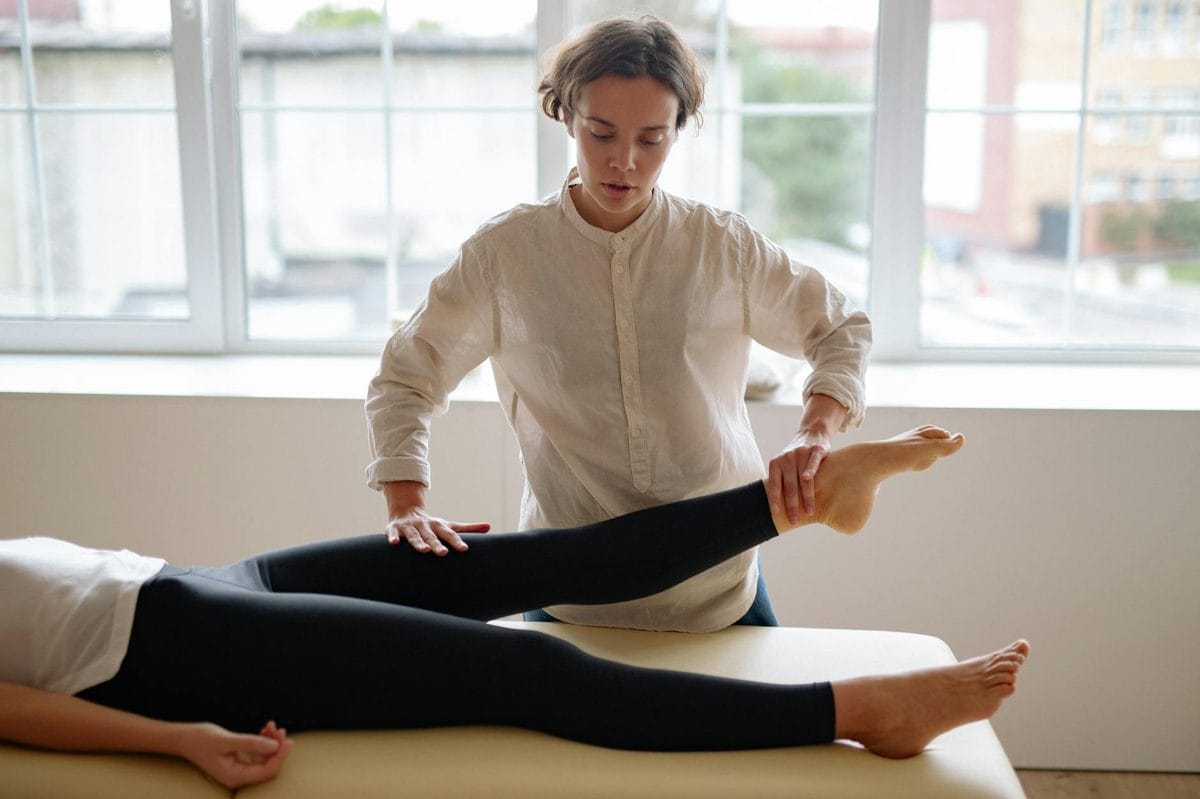
After surgery or injury, you need to rebuild strength and range of motion gradually. A yoga therapist works alongside your physical therapist or doctor. They adapt poses to your healing timeline. Early on, gentle movements and breathing work prepare the nervous system for movement. As you progress, poses become more challenging. A shoulder injury might start with supported Gomukhasana variations (cow-face pose), then progress to mild backbends. The advantage over general exercise: yoga therapists understand how to use props—blocks, straps, blankets, bolsters—to make poses accessible at your current level. They also teach the yama of ahimsa (non-harming), so you learn to honor your body's limits and progress sustainably. Many athletes, dancers, and post-operative patients credit yoga therapy with faster, more complete recovery.
Benefit 6: Better Emotional Resilience and Mood
The mind-body connection in yoga is real. Certain poses and breathing patterns shift your nervous system state. Gentle backbends like Urdhva Mukha Svanasana (upward-facing dog) open your chest and are associated with mood lift. Forward folds calm mental chatter. Twists aid digestion and create a wringing action some yogis believe releases stored emotion. A 2015 meta-analysis in Frontiers in Human Neuroscience found that yoga practitioners showed measurable changes in brain regions tied to emotion regulation. Yoga therapy adds another layer: a skilled therapist helps you notice sensations and emotions without judgment—cultivating the yama of satya (truthfulness) about your inner experience. Over time, this builds emotional literacy and resilience.
Benefit 7: Greater Body Awareness and Mind-Body Connection
Many of us live in our heads, disconnected from physical sensation. Yoga therapy reconnects you. Through slow, mindful movement and body scan practices, you notice tension, sensation, and emotion stored in your body. This awareness itself is healing. You realize your jaw clenches when stressed, that deep belly breathing calms racing thoughts, that grounding your feet literally makes you feel more stable. This skill—called proprioceptive awareness—is therapeutic on its own. It helps prevent injury, improves balance, and shifts you from reactivity to responsiveness. Meditation and pranayama deepen this connection further.
How to Find a Qualified Yoga Therapist
Not all yoga teachers are yoga therapists. Look for someone certified by the International Association of Yoga Therapists (IAYT) or registered with the Yoga Alliance at the RYT-500 level minimum, with additional training in therapy. Many insurance plans cover yoga therapy if prescribed by a physician; check yours. Cost without insurance ranges from $60 to $150 per session. Some therapists offer sliding scale rates. You can also ask your doctor, physical therapist, or therapist for referrals. A good yoga therapist will assess your condition thoroughly, ask about your health history, and design a practice you can realistically do at home. Sessions often include instruction you continue independently.
Yoga therapy is not a substitute for medical care, but a complement. It works best alongside conventional treatment. If you're exploring yoga therapy for a health condition, talk with your doctor first, then find a qualified therapist who communicates with your care team. The ancient practice of yoga, when applied thoughtfully and individually, offers real, measurable benefits for pain, anxiety, recovery, and overall well-being. The science supports it, and the lived experience of thousands of practitioners confirms it.
Go Deeper
Compare real programs in the OYP YTT Database:
Related programs in our directory:
- an alignment-oriented yoga center specializing in gentle practice — 4.94★ · 227 reviews
- a trauma-informed yoga psychology school for therapeutic recovery — 4.96★ · 76 reviews
Related Reading
Subscribe to the newsletter
Subscribe to my newsletter to get the latest updates and news