Alo Yoga vs. Lululemon: Which Brand Fits Your Practice


Both brands cost more than standard activewear. This guide shows you how they differ—and which one actually fits your body and practice.
You're standing in front of your closet, holding two pairs of yoga leggings—one from Alo, one from Lululemon—and wondering which brand actually deserves space in your rotation. Both companies charge premium prices. Both promise quality. Both have loyal communities. So which one is right for you?
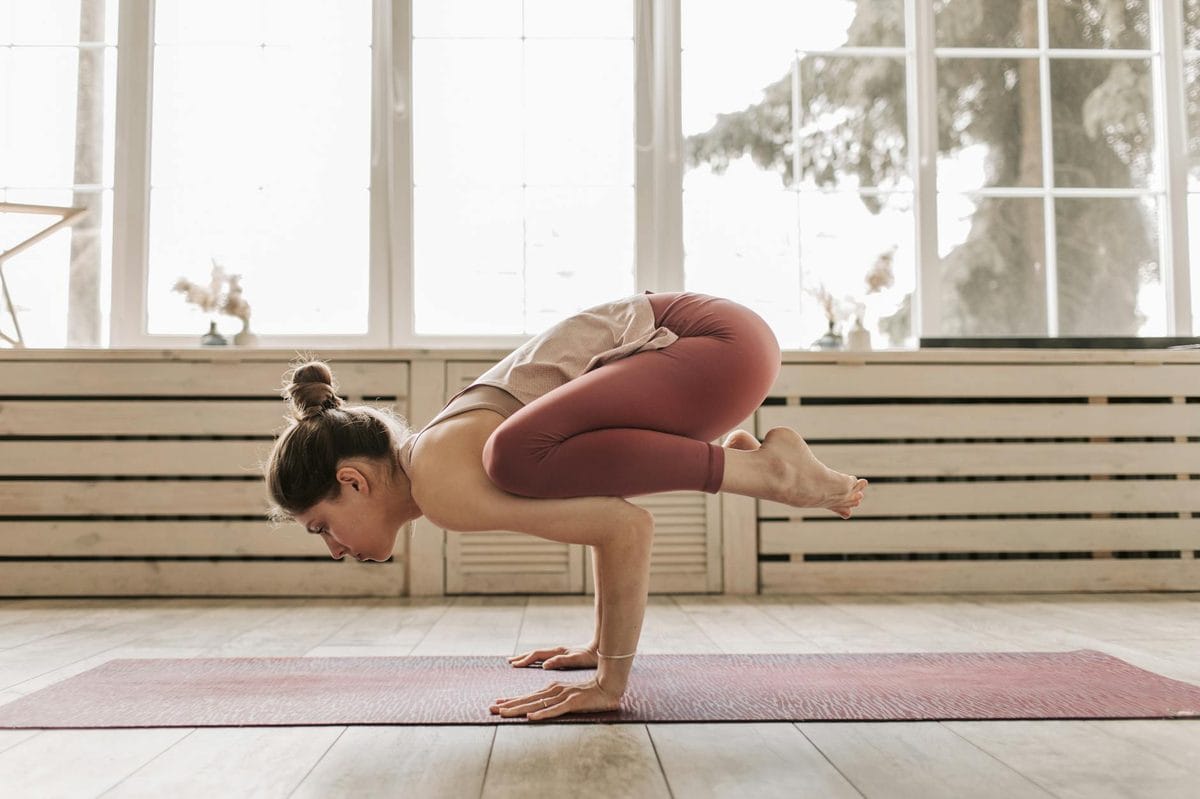
The truth is neither brand "reigns supreme." They're built for different bodies, different practice styles, and different values. If you practice hot vinyasa and want pockets, Alo might be your answer. If you're committed to Pilates and prefer a DTC relationship with customer service, Lululemon might fit better. This comparison cuts through the hype so you can choose intentionally.
Fabric Quality and Durability
Both brands use proprietary blends, which is where the real differences emerge. Lululemon's flagship fabric is Nulux—a four-way stretch blend that resists pilling and holds color well. They've invested heavily in fabric R&D since 1998, and it shows. Their Align leggings (around $128) use a 16% nylon, 84% lycra weave that feels buttery but lacks the durability of their heavier Performance Fabrics.
Alo Yoga launched in 2007 with a focus on fashion-forward aesthetics, but their fabric quality has matured. Their signature Airlift fabric performs well in hot yoga, with moisture-wicking properties and a high-waisted structure that many practitioners prefer. Alo's Airlift High-Waist Matte Leggings ($98) use a nylon-spandex blend designed for sweat and heat. Where Lululemon excels in durability across 50+ washes, Alo shows pilling slightly faster—but the visual fade is less noticeable.
Winner for durability: Lululemon. Their quality control is tighter, and their fabrics hold structure longer. But Alo's pieces last easily 2–3 years with regular practice if you care for them properly.
Fit Philosophy and Sizing
Lululemon sizes conservatively. Most yogis go up a size from their street clothing. Their four-way stretch accommodates deep squats and hip openers without rolling or gapping. This rigidity is intentional—Lululemon has built their brand on a specific body ideal, which works beautifully if you fit that mold but can feel exclusionary if you don't.
Alo Yoga designs for a slightly broader range of bodies and movement patterns. Their sizing runs closer to true-to-size, and their high-waisted silhouettes work across different hip and waist proportions. If you practice arm balances or inversions regularly, Alo's fabrics tend to stay put better during weight shifts. Their Alosoft fabric is particularly forgiving for longer torsos.
Neither brand offers extended sizes beyond XL in most styles, which remains a significant limitation. Both offer online fit guides. Lululemon has physical stores where you can try on immediately; Alo is DTC (direct-to-consumer), so returns are online. If you live near a Lululemon, you have a real advantage in sizing certainty.
Price Point and Value
Lululemon leggings range from $98 to $148. Sports bras cost $58 to $78. A full outfit (leggings, bra, jacket) can easily exceed $300. Alo Yoga runs similarly priced: leggings between $88 and $128, sports bras $48 to $72. Both brands regularly offer "We Made Too Much" sales (Lululemon) or clearance sections (Alo), where you can save 30–40%.
The real value question isn't price—it's cost-per-wear. If a $128 pair of Lululemon Aligns lasts you 5 years at three practices per week, that's roughly 0.50 per wear. Compare that to a $60 pair of leggings from a fast-fashion brand that pills after 6 months, and the math shifts. Both premium brands justify their cost through longevity, not novelty.
Lululemon's resale value is stronger. Gently used Aligns hold 60–70% of retail price on Poshmark. Alo pieces hold 50–60%, which matters if you rotate your wardrobe seasonally.
Design Aesthetic and Community
Lululemon leans minimalist and performance-focused. Black, navy, and earth tones dominate their core collection. Their brand identity is rooted in the yoga studio aesthetic of the late 1990s—understated, professional, unisex-friendly. If you prefer neutral palettes and classic silhouettes, Lululemon feels reliable.
Alo Yoga embraces fashion-forward design. They collaborate with designers, experiment with color (blush, sage, olive), and incorporate trends like cut-outs, asymmetrical hems, and bold prints. Their aesthetic appeals to people who see yoga wear as part of their personal style, not just functional gear. Their community skews younger and more design-conscious, which you'll notice in their Instagram presence versus Lululemon's more corporate social media.
Community matters. Lululemon hosts in-studio events, ambassador programs, and has a loyalty system (LLL membership for $198/year). Alo doesn't have as structured a community program, but their DTC model means direct feedback and faster design iteration. If you value brand engagement and local studio connections, Lululemon wins. If you prefer variety and trendy aesthetics, Alo appeals more.
Practice-Specific Performance
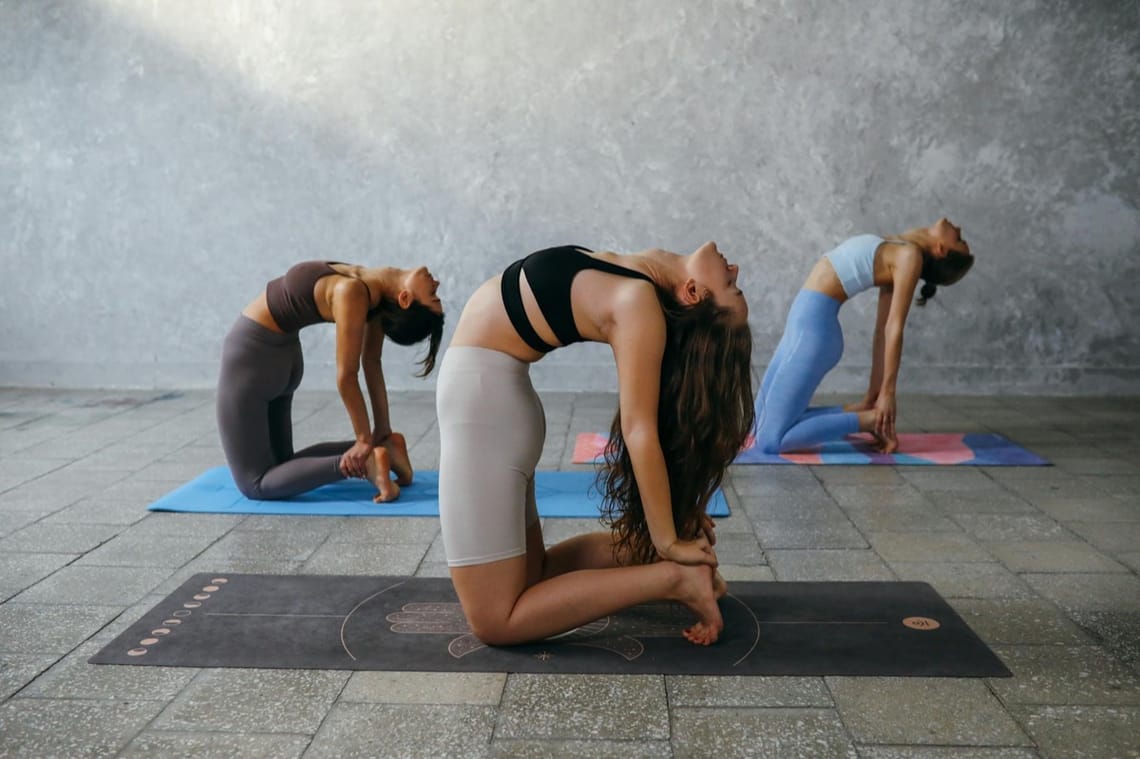
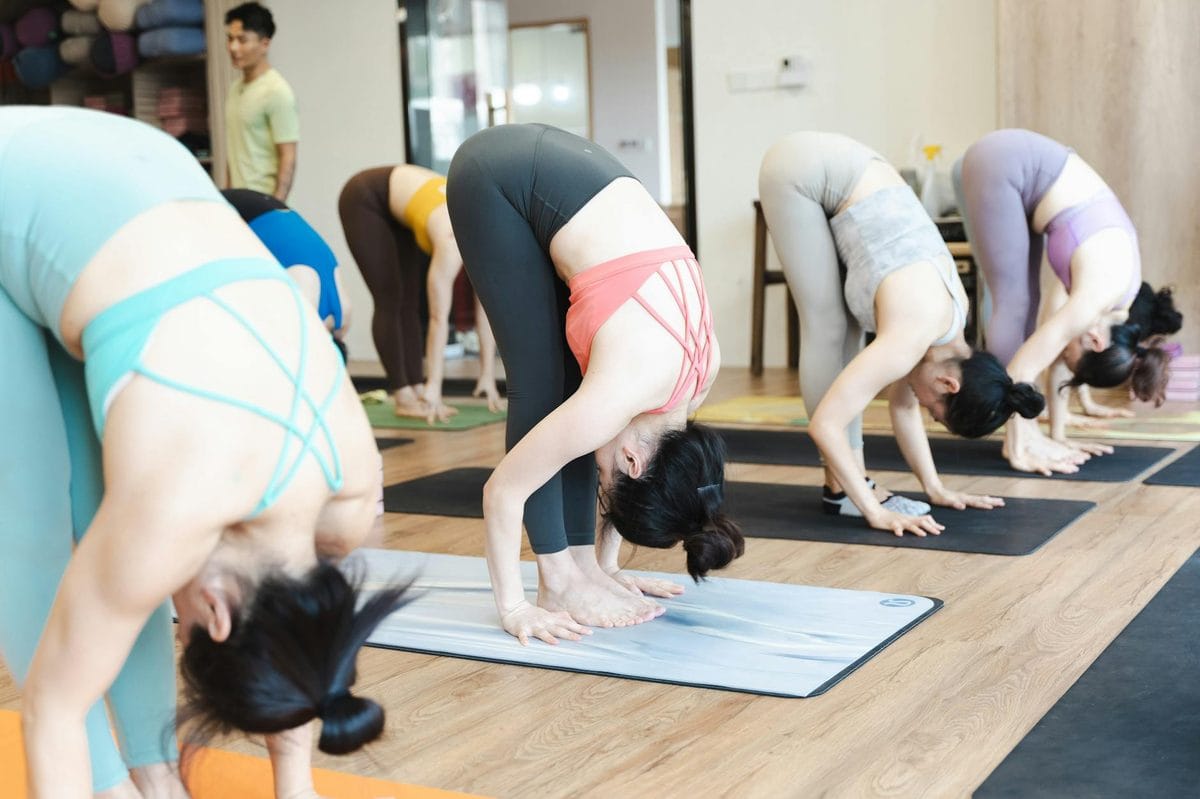
Your yoga style matters. For hot yoga and power vinyasa, Alo's Airlift and Alosoft fabrics excel. They wick sweat quickly and don't cling to your body when you're soaked. The high-waisted design prevents gaps during downward dog. Their Sports Bras (like the Alo Alosoft Sports Bra, $68) provide excellent support for dynamic movement without the bounce of lesser brands.
For Yin yoga, gentle flows, and Pilates, Lululemon's buttery Align fabric feels luxurious and allows you to feel subtle alignment cues. Their Align leggings don't compress aggressively, making them better for restorative practices where you need proprioceptive awareness. Lululemon also dominates the Pilates space because their sizing accommodates the precise leg extensions Pilates demands.
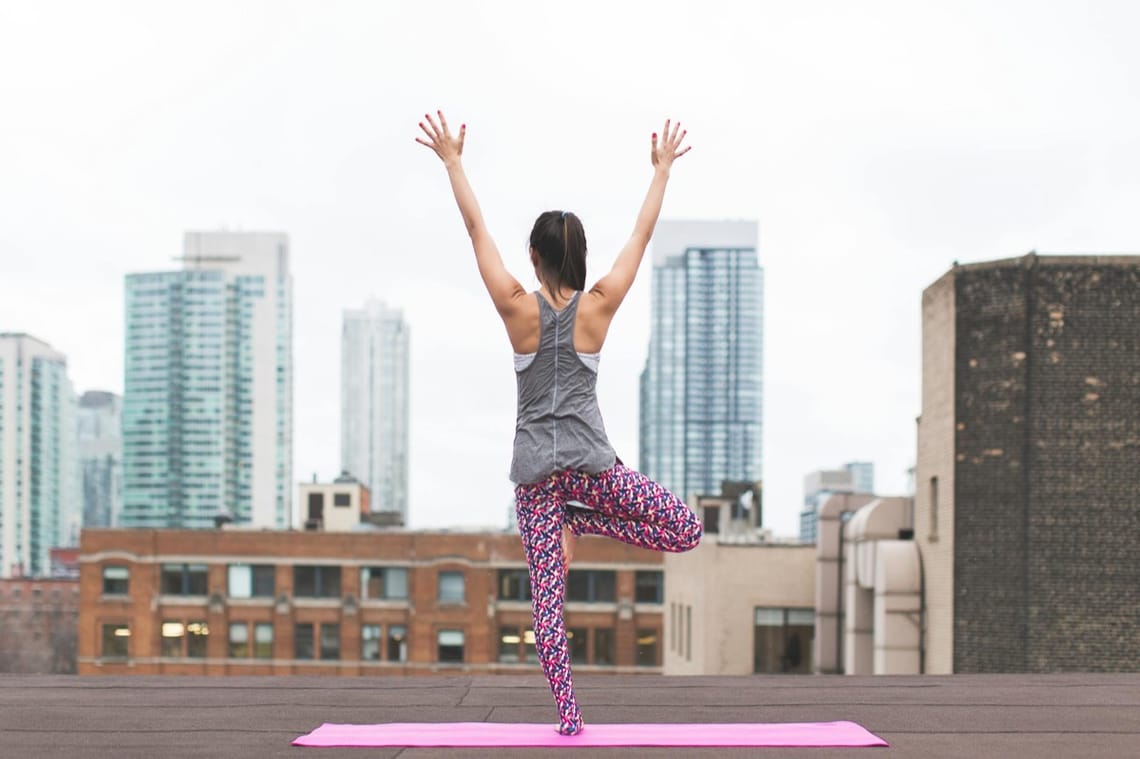
For inversions and arm balances, test both in-studio first. Alo's structural fabrics feel more stable, while Lululemon's stretch can feel slippery if you're holding a shoulder stand.
Sustainability and Brand Values
Lululemon has published sustainability commitments tied to material sourcing, carbon reduction, and labor practices. They're not perfect—no large apparel brand is—but they've been transparent about goals through 2030. They use recycled fabrics in some lines and have phased out PFCs (per- and polyfluorinated chemicals) from water resistance treatments.
Alo Yoga is less transparent publicly about sustainability initiatives. They haven't published detailed environmental reports or third-party certifications. If environmental impact aligns with your yoga values (ahimsa, or non-harm), Lululemon's commitment matters, even if imperfect.
Both brands manufacture primarily overseas—Lululemon in Vietnam, Taiwan, and China; Alo in Vietnam and China. Neither owns factories, relying instead on supplier partnerships. Both enforce labor standards, though auditing practices remain opaque.
Customer Service and Returns
Lululemon's in-store presence is a real advantage. You can try items on, return without hassle (they have a quality guarantee), and speak to humans trained in fit. Their customer service has a reputation for generosity—they've replaced pilled items and honored returns even after 12 months of wear. This builds loyalty.
Alo's DTC model means you're managing returns through their website. Their customer service is responsive but less hands-on. You can't walk into a store and ask for immediate help. However, Alo has improved their return window and exchange process in recent years, and their shipping costs are lower for DTC orders.
If you're uncertain about fit, Lululemon's physical stores give you confidence. If you're comfortable with online shopping, Alo's process is straightforward.
The Verdict
Choose Lululemon if:
- You prioritize durability and longevity
- You practice Pilates, yin yoga, or restorative flows
- You want a minimalist aesthetic
- You live near a physical store and value in-person service
- You care about documented sustainability practices
Choose Alo if:
- You practice hot vinyasa, power yoga, or any heated class
- You want fashion-forward design and seasonal variety
- You prefer a DTC brand with direct feedback channels
- You appreciate high-waisted silhouettes and supportive fabrics for dynamic movement
- You're comfortable with online-only returns
Both brands deliver premium quality. Neither is "worth it" universally—it depends entirely on your body, your practice, your values, and your lifestyle. The most sustainable choice? Buy what actually works for you, wear it consistently, care for it properly, and keep it in rotation for years. That's where the real value lives.
Related programs in our directory:
- a flow yoga school specializing in hot vinyasa — 4.97★ · 352 reviews
- a fitness-focused yoga teacher training — 5★ · 104 reviews
Related Reading
7 Eco-Friendly Yoga Mats: Natural Materials That Don't Slip or Smudge — Explore sustainable mat options that align with your values if environmental impact influences your gear choices.
The 7 Best Yoga Pants on Amazon: Features, Fit, and Price Comparison — Compare Alo and Lululemon alternatives with budget-friendly options across different price points and styles.
5 Comfortable Yoga Pants with Pockets: Brands That Actually Deliver — If pockets matter to your practice, discover which Alo and Lululemon styles offer them and comparable alternatives.
Brand Spotlight: Alo Yoga — A deeper dive into Alo's design philosophy, fabric innovations, and what makes their pieces stand out in the premium yoga apparel market.
Subscribe to the newsletter
Subscribe to my newsletter to get the latest updates and news