Alo Yoga: What Makes It Worth the Investment

Alo Yoga costs more than most yoga brands. Here's what justifies the price—and whether it makes sense for your practice.
You're standing in front of your closet, looking at your worn yoga mat and wondering if it's finally time to invest in better gear. Maybe you've noticed Alo Yoga pieces on Instagram, or a friend mentioned their Alo leggings cost more than your entire practice wardrobe. You're curious: is the price justified? What actually separates Alo from the dozens of other yoga brands out there? This article walks you through the details—the materials, the design philosophy, real pricing, and whether Alo Yoga truly deserves a place in your practice.
What Defines a Luxury Yoga Brand
Luxury in yoga apparel isn't just about high prices. It rests on several tangible elements. First, fabric quality matters. Luxury brands source materials that perform—moisture-wicking, breathable, durable through hundreds of washes. Second, construction counts. Seam placement, hem finishing, and stitching density affect how a garment moves with your body during chaturanga or standing sequences. Third, design philosophy shapes the whole experience. Does the brand understand how fabric behaves in poses? Have they tested their pieces through actual practice, or are they simply scaling up streetwear? Finally, there's the intangible element: does wearing the piece feel intentional, or does it feel like paying for a logo?
Alo Yoga's Fabric and Construction
Alo Yoga's signature material is their proprietary blend, often a mix of nylon and spandex in varying ratios depending on the piece. Their Airlift fabric, for instance, uses a four-way stretch with high recovery—meaning it bounces back after movement rather than sagging. The fabric weight typically ranges from 250 to 300 GSM, which provides support without feeling heavy. What sets this apart: they've engineered these blends specifically for yoga. The high spandex content (usually 20-25 percent) means the material holds shape through repeated practice. Seams are flat-stitched or bonded in most leggings, reducing chafing and extending garment life. Their women's Airbrush Legging ($128) and men's Triumph Long Shorts ($98) exemplify this attention. The construction uses reinforced gussets—that's the panel between the legs—which is where most yoga wear fails first. Alo doesn't cut corners there.
Design That Reflects Yoga Practice
Alo's design team includes people who practice yoga, not just trend forecasters. This shows in small details. High-waisted leggings sit above the hip bone, which matters when you're in forward folds or downward dog—you're not exposing your lower back. Waistbands often feature a hidden pocket (not always obvious, but essential for carrying a key or card). The rise on many women's pieces ranges from 28 to 32 inches, accommodating different body types and preferences. For men, their shorts and tight designs account for the reality of inversions and hip openers—crotch seams are placed to avoid restriction. This isn't accident. It reflects conversations with actual practitioners. Alo's seasonal collections also draw on yoga philosophy. They've released capsule collections inspired by the Yamas (ethical restraints) and color palettes that suggest the chakras. This signals a brand that takes yoga culture seriously, even if they're also a commercial enterprise.
Alo Yoga vs. Lululemon: Where They Differ
Both brands occupy the premium yoga market, but with different emphases. Lululemon ($98-$138 for leggings) leads in accessibility—their stores exist in most cities, their return policy is generous, and they've built community through their in-studio events. Alo ($118-$168 for leggings) emphasizes design and lifestyle aesthetic. Their Instagram presence is stronger than Lululemon's; their pieces photograph well and attract a younger demographic. On fabric, Lululemon's Nulux material is also high-quality four-way stretch, but Alo's Airlift tends to feel slightly smoother to the touch and maintains its finish through more wash cycles according to user reviews. Sizing differs: Lululemon runs small, so most people size up. Alo runs true to size. On price, Lululemon occasionally discounts (though rarely), while Alo has semi-regular sales but less predictably. Neither is objectively superior—it depends whether you prioritize in-studio support and community (Lululemon) or design innovation and lifestyle branding (Alo). If you're someone who practices primarily at home or smaller studios, Alo's investment makes more sense. If you value the retail experience and local class offerings, Lululemon might serve you better.
Top Women's Pieces Worth the Investment
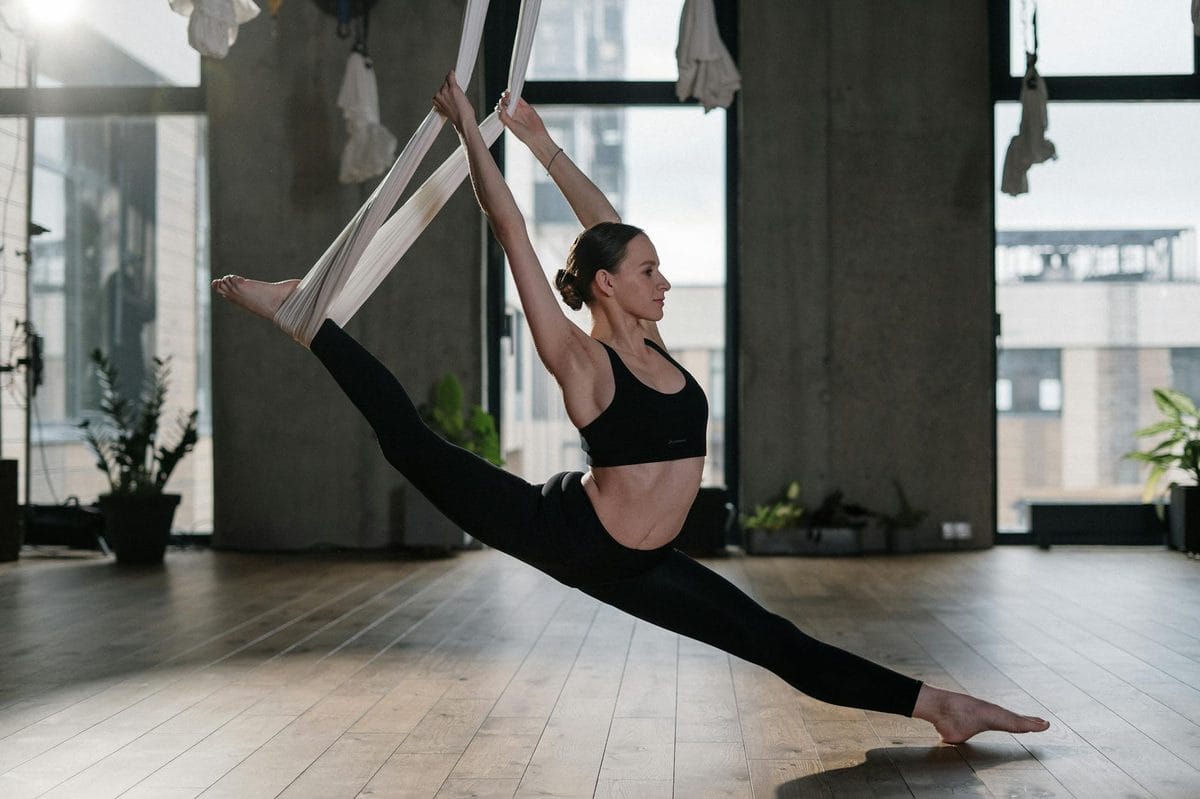
The Alo Yoga Airbrush Legging ($128) is their flagship women's item. The waistband doesn't dig in, the four-way stretch moves with you, and the fabric has a subtle sheen that doesn't read as overly gym-focused. It's available in 30+ colors. The Alo Yoga Bra Racerback ($68) pairs well with any legging—the support is genuine (underwire in select sizes), and the fabric breathes during vigorous practice. For shorts, the Alo Yoga Shorts ($88) use their Airlift material in a 5-inch inseam, suitable for vinyasa flow or running. Real-world durability: these pieces hold color and shape after 50+ washes when hand-washed or machine-washed in cold. That longevity justifies the upfront cost. A standard athletic legging from a mass-market brand costs $40-$60 but often needs replacing after a season. Alo pieces often last two to three years with proper care, lowering the cost-per-wear.
Top Men's Pieces Worth the Investment
Men's yoga apparel is smaller in the Alo lineup, but quality matches the women's line. The Alo Yoga Triumph Long Shorts ($98) use a 7-inch inseam and lightweight nylon-spandex blend. The crotch seam placement accommodates hip openers without restriction, and there's an interior liner for support. For tights, the Alo Yoga Tech Tight ($128) offers full coverage with a tapered ankle, and the fabric has minimal sheen—useful if you're practicing in a community studio where you prefer a more understated appearance. Both pieces include secure pockets (a rarity in men's yoga wear). The waistband sits comfortably without rolling or digging, even through longer holds in poses like virabhadrasana III. Like the women's offerings, these hold their shape and color through consistent use.
Is Alo Yoga Worth Your Money
Whether Alo Yoga justifies its price depends on three factors. First, your practice frequency. If you practice yoga four or more times per week, quality apparel matters—fabric breathability, seam durability, and freedom of movement directly affect your comfort and focus. Investing in two or three quality pieces is more sensible than rotating through cheap leggings that bag out and lose shape. Second, your values. If supporting a brand rooted in yoga philosophy (rather than a generic sportswear company adapting yoga to a fitness trend) matters to you, Alo's design process and aesthetic alignment might feel worth the premium. Third, your longevity expectations. Alo pieces are designed to last, and their resale value on Depop or Poshmark is strong—a $128 legging often resells for $70-$90, lowering your true cost. Budget-conscious practitioners might start with one signature piece (the Airbrush Legging for women, or Triumph Shorts for men) and build from there. You don't need a whole wardrobe of expensive gear to have a genuine practice. But one or two high-quality, well-designed pieces can elevate your experience, especially if you're transitioning from fast-fashion gym wear to intentional practice apparel. That shift—from viewing yoga clothes as disposable to viewing them as tools that support your asana and pranayama—is where luxury truly begins.
Care Tips to Protect Your Investment
Hand-washing in cool water extends the life of Alo pieces significantly. Machine-washing on delicate with like colors is acceptable, but hand-washing preserves fabric elasticity longer. Avoid fabric softener—it coats the fibers and reduces breathability and stretch recovery. Lay pieces flat to dry rather than using the dryer; heat breaks down spandex over time. Store in a cool, dry space away from direct sunlight, which can fade colors. If you practice hot yoga regularly, rinse your Alo pieces in cool water immediately after class to remove sweat, which can degrade fabric over time. With this care, your pieces will maintain their quality for years, making the per-wear cost comparable to mid-range brands that need replacing more often.
Go Deeper
Compare real programs in the OYP YTT Database:
Related programs in our directory:
Subscribe to the newsletter
Subscribe to my newsletter to get the latest updates and news